Ricon Tools
In the world of machining, precision is paramount. Understanding how to adjust centerline height on a lathe tool can significantly impact the quality of your work. Reports indicate that over 70% of machining errors stem from improper tool alignment. Such inaccuracies can lead to waste and increased production costs, making the mastery of tool adjustments crucial.
Properly setting the centerline height ensures optimal cutting performance. A misalignment of just 0.01 inches can lead to burr formation and tool wear, directly affecting the finished product. Industry experts recommend regular adjustments and checks. By honing the skill of setting the centerline height correctly, machinists can achieve better surface finishes and reduced cycle times.
Despite the importance of this adjustment, many operators overlook it. Some may even feel confident using “trial and error” methods. However, experience shows that systematic adjustments yield far better results. Learning how to adjust centerline height on a lathe tool is not merely a technical task; it is vital for maintaining operational excellence and competitiveness in today's manufacturing landscape.
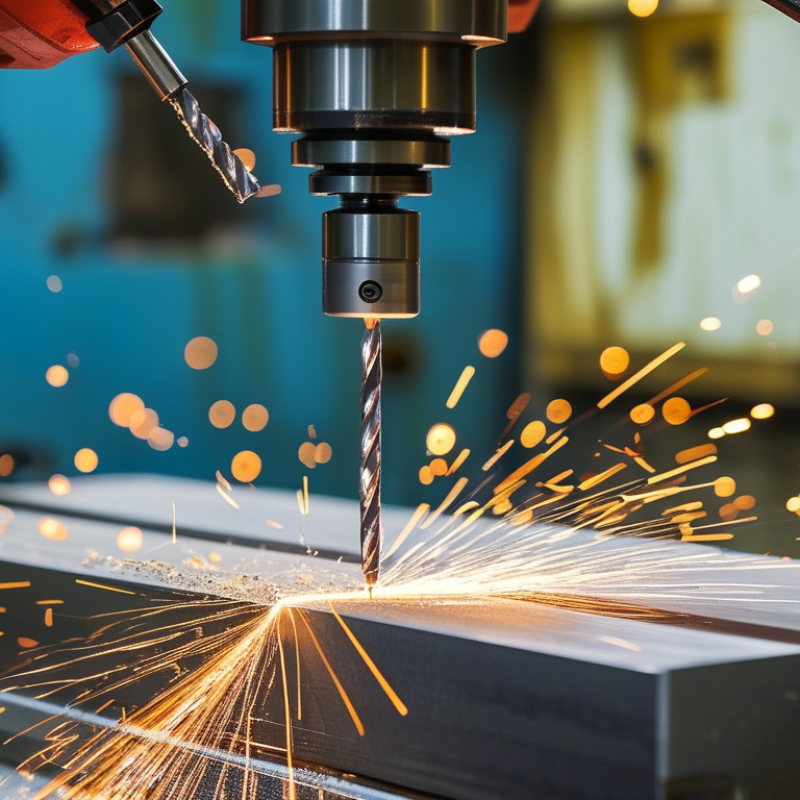
Understanding centerline height is crucial for effective lathe operations. It refers to the vertical alignment of the cutting tool relative to the workpiece. If the tool is too high or too low, it can negatively impact the finish quality and overall precision of the work. This might lead to unnecessary adjustments and wasted materials.
Achieving the correct centerline height involves careful measurement and adjustment. Operators should use reliable tools to gauge the height accurately. Common practices include using a dial gauge or checking against a known reference. Misalignments, even slight ones, can create vibrations. This can further diminish the cutting process.
Practicing adjustments may take time. New operators often struggle with achieving the right height initially. Reflection on these challenges is essential. Mistakes can lead to workpiece damage or increased tool wear. With patience and attention to detail, skills will improve. Over time, proper alignment becomes second nature, enhancing overall lathe performance.
Incorrect centerline height on lathe tools can lead to various machining issues. This can result in poor surface finish and excessive tool wear. One common cause is improper setup during installation. If the tool is not aligned correctly, it can create vibrations and affect precision. Adjusting the tool height doesn’t just require moving it up or down. It demands careful calibration.
Another reason for incorrect centerline height is worn components. Over time, tool holders and machine beds can wear down. This subtle wear may go unnoticed but can drastically affect alignment. Additionally, factors like inconsistent workpiece placement can lead to errors too. If the workpiece is not securely held, it shifts, compromising the cutting accuracy.
It is important to always check your setup. Use appropriate measuring tools to verify height before starting a project. Regular maintenance of lathe equipment can also mitigate these issues. Pay attention to the wear patterns on your tools. Analyzing them can uncover underlying problems. Focus on achieving proper alignment for effective machining.
Measuring the centerline height of a lathe tool is essential for precision machining. A slight misalignment can lead to poor finishes or even damage to the workpiece. Start by checking your lathe’s specifications. Ensure you have a reliable height gauge or a caliper at hand. These tools help determine the accurate height effectively.
Position the tip of the tool against a flat surface. This can be the chuck face or a known reference point. Adjust the height gauge until it touches the tool's edge. Note down the reading. It's crucial to repeat this process a few times. Inconsistent measurements indicate that adjustments are necessary. Don’t forget to account for tool wear over time, as this can affect your readings significantly.
After recording your measurements, make the needed adjustments to the tool holder. Sometimes, a simple rotation or repositioning offers the best results. A well-calibrated tool improves overall machining quality. Reflect on any difficulties faced during this process. They can provide insights into enhancing your technique in future projects. Accuracy takes practice and careful observation.
Adjusting the centerline height of a lathe tool is crucial for achieving precise cuts. Proper height alignment can directly affect the quality of machining. Two main methods exist: manual and mechanical. Each approach offers unique advantages depending on your setup and skill level.
Manual adjustment involves simple techniques that require no special tools. Operators can visually align the tool with the workpiece. This method relies heavily on experience. It can be effective, but may result in errors if the setup isn’t carefully checked. Many machinists develop a keen eye for alignment through practice. Mistakes can still happen, leading to unnecessary rework or poor surface finishes.
Mechanical methods provide more precision and repeatability. Tools such as height gauges help ensure consistent adjustments. Some setups incorporate digital readouts for enhanced accuracy. However, these methods can be expensive. They also demand a level of technical knowledge that not all operators possess. This complexity might deter beginners, resulting in frustration. Reflection on one’s techniques is vital for continual improvement in lathe operations.
Maintaining optimal centerline height on a lathe tool is crucial for precision machining. An improper centerline can lead to tool wear, poor surface finishes, and dimensional inaccuracies. Industry reports indicate that nearly 25% of machining errors are associated with incorrect tool positioning. Therefore, adjusting the centerline accurately is essential for achieving the best results.
To effectively maintain the centerline height, use reliable measuring tools. Digital indicators or height gauges can provide precise measurements. Regularly check these measurements, especially after changing tools or materials. Consistency is key. Even a slight misalignment can affect tolerances and lead to costly rework.
Practicing routine maintenance on lathe setups is often overlooked. Dust and debris accumulation can also affect measurements. Keeping a clean workspace can make a difference. Additionally, consider the thermal expansion of materials used. Changes in temperature can subtly shift tool height. Understanding these factors illustrates the complexity of maintaining optimal centerline height. Strive for incremental improvements over time.
: Accurate measurements prevent poor finishes and potential damage to the workpiece.
A reliable height gauge or caliper is essential for accurate readings.
Position the tool against a flat surface and adjust the height gauge to touch the edge.
Repeat the measurement process and consider making adjustments to improve accuracy.
Tool wear can significantly influence measurements, so it must be considered when taking them.
The two methods are manual adjustment and mechanical adjustment with specialized tools.
Yes, manual methods rely on visual alignment and experience, which can introduce mistakes.
Mechanical methods provide precision and repeatability, reducing the chance of error.
Yes, they can be costly and require technical knowledge that may frustrate beginners.
Reflection helps identify challenges and promotes improvement in future lathe operations.
Adjusting the centerline height on a lathe tool is crucial for achieving precision in machining operations. The article begins by explaining the significance of the centerline height and how incorrect settings can lead to poor workmanship, uneven wear, or tool damage. It identifies common causes of incorrect height, such as tool wear or improper installation.
Furthermore, the article provides a detailed step-by-step process to measure the centerline height accurately, emphasizing both manual and mechanical adjustment methods. Additionally, it offers valuable tips for maintaining optimal centerline height throughout the machining process. By following these guidelines on how to adjust centerline height on a lathe tool, machinists can enhance their work quality and ensure effective lathe operation.
