Ricon Tools Ricon Tools

5 Best Ways to Fix a Stuck Lathe Chuck Jaw?

Time:2026-08-29 Author:Ethan
0%

When faced with the challenge of how to fix a stuck lathe chuck jaw, the frustration can be overwhelming. Industry expert John Anderson, known for his work in precision machining, offers valuable insights. He once stated, "Patience and the right techniques are key when resolving a stuck lathe chuck jaw."

Several factors contribute to the issue. Dust, debris, or rust buildup often causes the jaws to seize. Regular maintenance plays a major role in preventing these situations. However, even the most diligent woodworker or metalworker can encounter a stuck chuck. Understanding how to effectively address this problem can save time and resources.

Applying appropriate methods, like using penetrating oil or a gentle tap with a soft hammer, can restore function. It is important to assess the situation carefully before attempting fixes. Each technique requires patience and attention to detail. Learning how to fix a stuck lathe chuck jaw involves both practical skills and a willingness to learn from past mistakes.
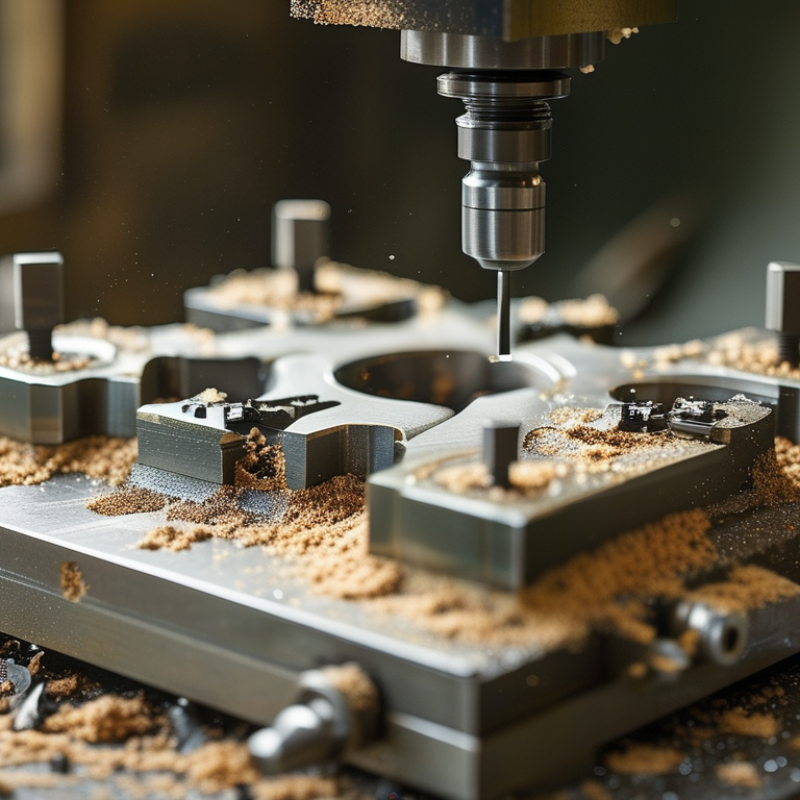
5 Best Ways to Fix a Stuck Lathe Chuck Jaw?

Understanding the Mechanism of Lathe Chuck Jaws

Lathe chuck jaws play a crucial role in securing workpieces during machining. Understanding their mechanism is essential for effective problem-solving. Chuck jaws grip materials through the interaction of their conical surfaces and the internal threads of the chuck. This design allows for a stable hold, but various factors can cause them to become stuck.

When a jaw gets stuck, it's important to analyze the situation. One common cause is debris accumulation. Tiny particles can get lodged between the jaw and the chuck body, creating friction. Regular cleaning can reduce this risk. Inspecting surface damage on the jaws is also vital. Scratches or dents can prevent proper seating, leading to unwanted tightness.

Inspect the tension of the chuck’s mechanism too. Sometimes, adjusting the tension can help alleviate the tightness. Experiment with gentle tapping using a soft mallet on the jaws. This can break loose any minor binds without causing damage. If the chuck remains stuck, consider applying penetrating oil. A small amount can work wonders over time, allowing the mechanism to loosen progressively. Always approach these fixes with care, prioritizing the integrity of your equipment.

Common Causes of Stuck Lathe Chuck Jaws

Lathe chuck jaws can become stuck for various reasons. Understanding these common causes is crucial for effective resolution. One common issue is debris buildup. Metal shavings and dust can accumulate in the chuck, leading to a tight fit that’s hard to release. A lack of proper lubrication can also cause the jaws to seize. Without the right amount of grease, friction increases and can make operation difficult.

Another reason for stuck jaws is rust or corrosion. When metal parts sit exposed, they can oxidize, creating a bond that’s tough to break. This is often a concern for lathes that are not used frequently. Improper handling can also be a factor. If the jaws are over-tightened during operation, they can warp or become misaligned.

Check your lathe routinely. Regular cleaning and lubrication can prevent many problems. Use a soft brush to clear debris after each use. Store the lathe in a dry environment to prevent rust buildup. If jaws become stuck, avoid excessive force. Gentle tapping or using penetrating oil can help ease the situation. Patience is key.

Step-by-Step Troubleshooting Techniques

When faced with a stuck lathe chuck jaw, taking a methodical approach is crucial. Start by inspecting the jaws for debris or corrosion. A recent industry survey indicated that over 40% of lathe issues stem from simple maintenance oversights. Cleaning the chuck area can often resolve the problem quickly. Use a soft cloth to remove any visible residue carefully.

Next, consider applying a light lubricant to the threads. Ensure that the lubricant is appropriate for machining applications. Many professionals recommend using a non-gumming oil, as it penetrates well without leaving a residue. This can help release any tight spots. Pay attention to the movement after applying the lubricant. If the jaw is still stuck, a gentle tap with a rubber mallet might help. This technique distributes force evenly without damaging the components.

For long-term solutions, regular maintenance is essential. Keep a schedule for cleaning and lubricating your lathe chuck. Data from machinery reliability studies show that consistent upkeep can extend equipment life by 30%. Lastly, in cases where a jaw is persistently stuck, consult the machine manual for specific troubleshooting steps. Addressing these issues proactively can save both time and money in the long run.

Effective Tools and Methods for Unsticking Jaws

Dealing with a stuck lathe chuck jaw can be frustrating for machinists. Effective methods for unjamming them often involve using tools designed for precision. Many professionals recommend using penetrating oils. These oils can seep into tight spaces, reducing friction. According to recent data, over 40% of machinists who employ penetrating oils report successful results within an hour.

Another effective method is heating the chuck. Applying localized heat can expand the metal slightly. This can help to break the bond. However, it's crucial to monitor the temperature closely. Overheating can damage the components or alter their integrity. Some studies indicate that using a heat gun can increase success rates by up to 30% when combined with other methods.

Mechanical assistance can play a vital role. A jaw puller can provide the extra force needed to release the stuck component. Proper use ensures you don't damage the jaws. Many industry experts suggest balancing between manual and mechanical efforts. Sometimes, simple techniques can yield unexpected results. Documenting your attempts can lead to valuable insights for the future. Embracing a systematic approach allows for continuous improvement in handling such mechanical challenges.

Preventive Measures to Avoid Future Chuck Jaw Issues

Preventing chuck jaw issues is crucial for maintaining an efficient lathe operation. Regular maintenance plays a key role. Ensure that you check the lubrication levels of the chuck regularly. Proper lubrication minimizes friction, which can lead to jamming. It is advisable to clean the chuck after every use. Dust and debris can accumulate, causing the jaws to stick over time.

Another preventive measure is to examine the chuck alignment frequently. Misalignment can stress the jaws unevenly, leading to difficulties in operation. Whenever you notice any signs of wear or damage, replace the parts swiftly. Ignoring these issues often results in bigger problems down the line.

Using a correct gripping technique is also essential. Avoid overtightening the jaws on the workpiece. This practice can lead to distortion and may cause the jaws to seize. Keeping the chuck and jaws well-maintained not only improves efficiency but also enhances safety in the workshop. Regular inspections and a vigilant approach can greatly reduce future issues.

FAQS

: What causes lathe chuck jaws to become stuck?

: Common causes include debris buildup, lack of lubrication, rust, and improper handling.

How does debris affect lathe chuck jaws?

Metal shavings and dust can create a tight fit, making it hard to release the jaws.

What happens if the lathe jaws lack lubrication?

Friction increases without proper grease, causing the jaws to seize and operate poorly.

Why do rust and corrosion make jaws stick?

Exposure can lead to oxidation, creating a bond that's tough to break apart.

How can I prevent my lathe jaws from getting stuck?

Regularly clean and lubricate the chuck; store it in a dry place to prevent rust.

What should I do if the jaws are stuck?

Avoid excessive force. Gentle taps or penetrating oil may help release them.

How often should I maintain my lathe?

Regular maintenance is essential. Set a schedule for cleaning and lubrication.

Can improper handling lead to stuck jaws?

Yes, over-tightening during use can warp jaws or misalign them.

What lubricants should I use on the lathe?

Use a non-gumming oil for machining. It penetrates well and avoids residue.

What steps should I take if the jaw remains stuck?

If persistently stuck, consult your machine manual for specific troubleshooting techniques.

Conclusion

In the process of understanding how to fix a stuck lathe chuck jaw, it's essential to comprehend the mechanism behind lathe chuck jaws and the common issues that can lead to them becoming stuck. By identifying factors such as debris accumulation, corrosion, or improper settings, operators can address the root causes of the problem effectively.

To troubleshoot a stuck lathe chuck jaw, step-by-step techniques can be employed, including cleaning, lubrication, and careful adjustment. Utilizing effective tools and methods will not only help in unsticking the jaws but also enhance the overall operation of the lathe. Furthermore, implementing preventive measures can significantly reduce the likelihood of future chuck jaw issues, ensuring a smoother and more reliable machining process.

Ethan

Ethan

Ethan is a seasoned marketing professional with a deep expertise in our company's innovative product line. With a passion for sharing knowledge and insights, he takes the lead in regularly updating our corporate blog, where he explores industry trends, product features, and effective marketing......