Ricon Tools
Rust can quietly damage woodworking tools before the surface looks seriously neglected. A damp workshop, sweaty hands, and trapped sawdust create a thin electrolyte film around steel chucks, jaws, cutters, and blades. The NACE IMPACT study estimated that global corrosion costs about US$2.5 trillion annually, equal to nearly 3.4% of worldwide gross domestic product. That figure covers many industries, but its lesson applies inside a small woodworking shop: prevention usually costs less than restoration.
So, how to prevent rust on woodworking chucks and tools? The process begins with removing moisture, resin, and fine dust after every working session. Dry each metal surface completely. Then apply a light, compatible rust inhibitor, especially inside chuck threads and around moving jaws. Store tools above the concrete floor, where temperature changes can produce hidden condensation. A hygrometer helps. Relative humidity below 50% is commonly recommended for protecting metal equipment, although local climate and ventilation still matter.
Woodworking educator Paul Sellers has repeatedly emphasized a simple maintenance principle: “Keep your tools clean and dry.” It sounds obvious. It is also easy to ignore. In practice, a clean cotton cloth, a soft brush, and scheduled oiling can prevent orange spots from becoming pitting. Avoid heavy oil near unfinished wood or precision cutting edges. I have found that over-oiling creates another problem: dust becomes an abrasive paste. This guide examines practical storage, cleaning, coating, and inspection methods. It also recognizes an uncomfortable truth. No routine is perfect, and even careful woodworkers sometimes discover rust beneath a chuck collar.
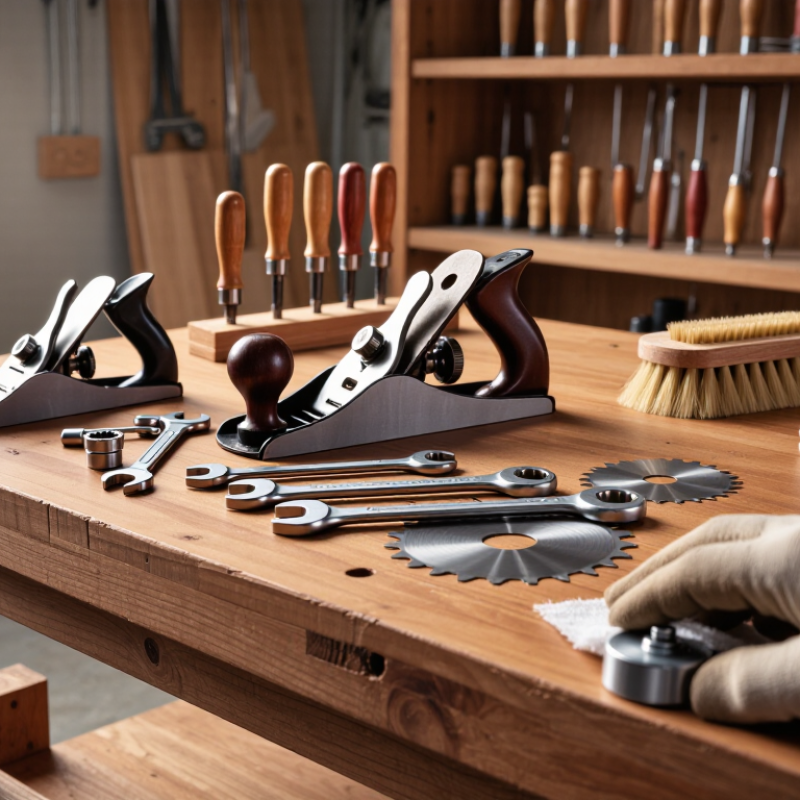
Woodworking tools develop rust through an electrochemical reaction. Bare steel meets water and oxygen, creating iron oxide on the surface. Humid workshops accelerate this process. The risk increases when tools remain near open windows, concrete floors, or unsealed timber. Wood dust also holds moisture against metal. Small salt residues from sweaty hands can make corrosion faster.
Rust is not only a storage problem. The NACE IMPACT study estimated that corrosion cost the global economy about 2.5 trillion dollars in 2013, equal to roughly 3.4% of global gross domestic product. That figure covers many industries, but it shows the scale of neglected metal protection.
In practical workshop maintenance, relative humidity above 60% is often treated as a warning level. Temperature changes matter too. A cold plane blade can collect condensation when warm air enters the room. I have seen clean tools rust overnight after this mistake.
It was easy to blame poor steel, but the real cause was moisture. Wood finishes, acidic dust, and fingerprints can disturb the thin protective film on polished surfaces. Storing a damp chisel inside a closed drawer can trap vapor instead of preventing damage.
That approach feels sensible, yet it fails. Regular wiping, controlled humidity, and a light corrosion-inhibiting coating reduce exposure. Tool edges deserve special attention because scratches retain water. Some advice sounds universal, but workshop conditions differ. Coastal air, winter heating, and tropical humidity require different maintenance intervals.
Rust begins where dust, sweat, and moisture remain trapped. Clean every woodworking tool immediately after use. Brush away sawdust from teeth, threads, and joints. Wipe resin with a suitable cleaner and a dry cotton cloth. Never leave wet metal beside a sink. Small habits matter.
Dry each surface completely before storage. Pay attention to blade holes, adjustment screws, and the underside of hand planes. A low-pressure air stream can remove moisture from narrow gaps. However, strong air may push dust deeper into bearings. I have missed damp corners before, especially under clamps. That mistake became orange spotting overnight.
After drying, apply a very thin protective film to exposed steel. Remove excess oil, because oily surfaces collect workshop dust.
The NACE International IMPACT study estimated global corrosion costs at 2.5 trillion dollars annually, or about 3.4% of global gross domestic product. That figure covers many industries, but it shows why prevention deserves routine attention. The USDA Forest Products Laboratory’s Wood Handbook also explains that wood responds continuously to surrounding humidity. A wooden toolbox can therefore hold moisture against metal during humid periods. Store cleaned tools in a ventilated, low-humidity cabinet, not a sealed box with damp rags. Check them weekly during rainy seasons. A small moisture indicator can reveal changing storage conditions, though it is not perfect. Freshly sharpened edges deserve extra care. One careless wipe can start corrosion.
Rust prevention begins after the final cut, not when orange spots appear. The NACE IMPACT study estimated global corrosion costs at 2.5 trillion dollars, or 3.4% of global GDP. That figure covers many industries, but it explains why small maintenance habits matter in a workshop.
Wipe steel surfaces with a clean, dry cloth. Remove resin, fingerprints, and water first. Apply a thin protective oil film to blades, chisels, plane irons, and saw plates. Too much oil attracts dust and can transfer onto unfinished wood. I use a few drops, spread evenly, then buff the surface until it feels almost dry. It is easy to overapply.
Use a rust inhibitor during long storage or humid seasons. Volatile corrosion inhibitor paper, treated liners, or compatible storage fluids can protect enclosed tool cabinets. ISO 9223 classifies environments by atmospheric corrosivity, and high humidity increases maintenance demands. A coastal workshop needs closer inspections than a dry inland room. Check tools every few weeks, especially around bevels and screw heads. Store them away from damp concrete and direct temperature changes. I still miss a small corner occasionally. That mistake usually appears first as a dull brown line. Never oil a tool without checking its finish, because some coatings and wooden handles may react poorly.
China Best How to Prevent Rust on Woodworking Tools
Storing Tools in a Dry, Controlled Environment
A dry storage area is the strongest defense against rust on woodworking tools. The NACE IMPACT study estimated global corrosion costs at about 2.5 trillion dollars annually, equal to roughly 3.4% of global economic output. Rust prevention is not cosmetic. It protects accuracy, cutting performance, and service life.
Keep workshop humidity between 30% and 50% relative humidity when possible. This range follows widely used conservation guidance for metal storage, including recommendations from the Library of Congress. Place a digital hygrometer near the tool cabinet, not beside a heater or window. Small differences matter. A cold steel plane can collect moisture even when the room feels comfortable.
Store tools above the concrete floor, with space around each item for airflow. Wipe fingerprints and moisture from blades after use. A thin, tool-safe protective film helps, but never seal damp tools inside plastic. That mistake traps condensation. Use rechargeable desiccant containers in drawers, and inspect them monthly. Replace or dry them when saturated.
In my experience, closed cabinets are not automatically dry. I once stored chisels in a clean drawer and ignored the humidity reading. Several edges developed tiny orange spots. The lesson was uncomfortable: cleanliness cannot replace climate control. Check the hygrometer weekly, especially during rainy seasons. A dehumidifier may help, but excessive dryness can damage wooden handles and nearby materials. Balance is imperfect. Recheck the setting.
Keeping relative humidity below 50% helps reduce condensation and corrosion risk on steel woodworking tools. Store clean, dry tools in a controlled environment, and use a dehumidifier or moisture absorber when necessary.
China Best How to Prevent Rust on Woodworking Tools
Inspecting woodworking tools regularly can prevent small rust spots from becoming deep pitting. I check metal surfaces under bright, angled light. This reveals orange freckles that overhead lighting often hides. Pay close attention to blade backs, plane soles, saw teeth, screw heads, and hinges. Moisture can remain inside joints after cleaning. It can also collect beneath a protective film.
I once inspected a hand plane too quickly and missed rust near the throat opening. A week later, the spot had spread. That mistake changed my routine. I now wipe each tool with a dry cloth, then examine edges with my fingertips. Wear gloves, and never slide fingers across a sharp edge. A clean cotton swab can reach narrow gaps. Record stubborn areas with a quick photograph, if needed.
Remove surface rust gently with a small amount of light oil and a fine abrasive pad. Move along the metal’s existing direction, not randomly across it. For flat surfaces, keep the abrasive level to avoid rounding corners. A plastic scraper may lift loose residue from seams. Avoid aggressive grinding unless the damage is severe and you understand the tool’s geometry. Deep pits may remain after cleaning, and forcing them away can remove useful metal. Wipe away all residue, dry the tool completely, and apply a thin protective coat. Check it again the next day.
Begin after the final cut. Do not wait for orange spots. Wipe tools immediately.
Use a clean, dry cloth. Remove resin, fingerprints, and moisture from blades, chisels, and saw plates.
Use only a few drops. Spread a thin film, then buff until the surface feels almost dry. Too much oil attracts dust.
Yes. Oil may react poorly with some coatings or wooden handles. It can also transfer onto unfinished wood. Check the finish first.
Use one during long storage or humid seasons. Treated liners, inhibitor paper, or compatible storage fluids can protect enclosed cabinets.
Aim for 30% to 50% relative humidity when possible. Place a digital hygrometer near the cabinet, away from heaters and windows.
Keep tools above concrete floors. Leave space around each item for airflow. Avoid damp surfaces and sudden temperature changes.
No. A closed drawer can still hold humid air. Never seal damp tools in plastic, because condensation may become trapped.
Check the hygrometer weekly and inspect tools every few weeks. Look closely around bevels, screw heads, and small corners.
Cleanliness alone is not enough. I once ignored a humidity reading, and tiny orange spots appeared. Balance matters, but perfection is difficult.
Rust forms when moisture, oxygen, and residue remain on metal surfaces for too long, making proper maintenance essential for woodworking equipment. This guide explains how to prevent rust on woodworking chucks and tools by cleaning away dust, wood sap, and debris after every use, then drying each part completely. Even small amounts of trapped moisture can encourage corrosion, especially in joints, threads, and other difficult-to-reach areas.
A thin layer of protective oil or a suitable rust inhibitor can create a barrier against humidity and slow oxidation. Tools should also be stored in a clean, dry, and well-ventilated environment with stable conditions, rather than being left on damp floors or exposed to sudden temperature changes. Regular inspections help identify discoloration, rough spots, or light surface rust early. Removing these signs promptly and reapplying protection can preserve tool performance, extend service life, and reduce the need for more intensive restoration.