Ricon Tools
Boring bar inserts are vital for precise machining. However, many operators face a perplexing issue: "why are my boring bar inserts chipping so fast?" This rapid wear can disrupt production, leading to frustrated machinists. Understanding the underlying causes is essential for addressing this problem effectively.
Several factors contribute to insert chipping. Incorrect cutting parameters can lead to excessive stress on the inserts. Additionally, tool material quality and coating influence their durability. Often, a lack of adequate cooling can exacerbate the wear rate. Addressing these issues is crucial for improving insert longevity.
Reflecting on your practices will yield insights. Are you using suitable speeds and feeds? Is your setup causing unnecessary vibrations? Regularly evaluating these aspects can help identify solutions. Ultimately, tackling these challenges enhances productivity and makes machining operations more efficient.
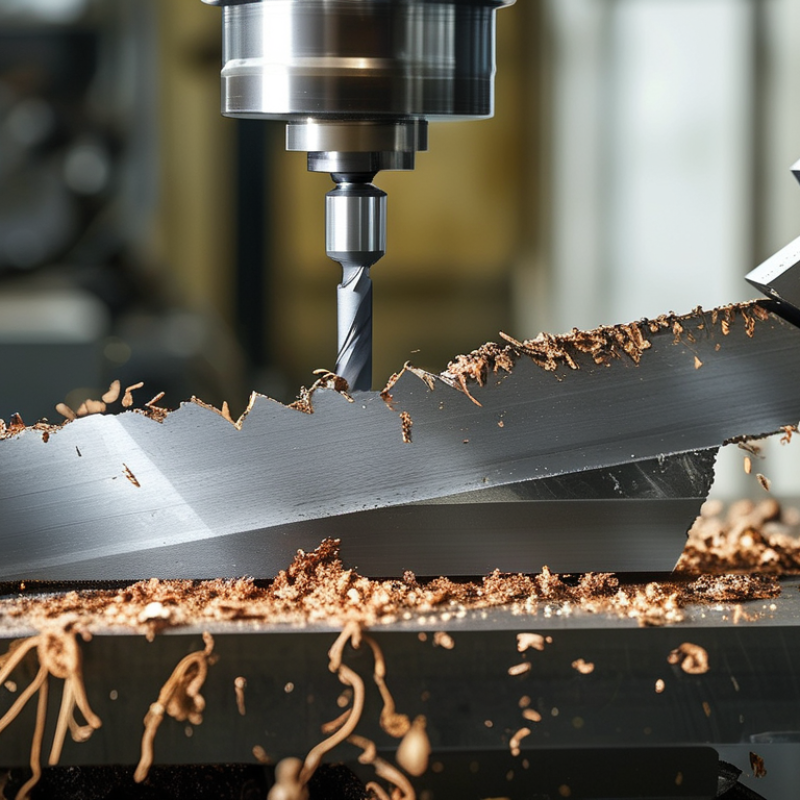
Boring bar inserts are vital in machining processes. However, many users face a common issue: rapid chipping. Understanding the reasons behind this problem can help improve efficiency.
The hardness of the material being machined plays a significant role. Harder materials create more friction, leading to quicker wear on the inserts. Incorrect cutting speeds can also amplify this issue. If the speed is too high, the heat generated can cause the inserts to chip. Conversely, speeds that are too low may lead to excessive vibrations, which can harm the inserts.
**Tips:** Monitor your machine's cutting parameters regularly. Keeping an eye on the feed rate can prevent undue stress on the inserts. Consider using cooling lubricants to minimize heat. Finally, evaluate the insert material for compatibility with the workpiece.
Another reason for rapid chipping involves tool alignment. Misalignment during setup can lead to uneven pressure distribution. This accelerates chipping and reduces the lifespan of the inserts. Regular checks of alignment are critical for maintaining optimal performance.
**Tips:** Invest in proper tooling setups. Use indicators for precise measurements. Regular maintenance of machines can also minimize misalignment issues. Adjustments might take time, but they can save costs in the long run.
The durability of boring bar inserts often suffers from the materials and coatings used. Many manufacturers overlook these factors, leading to premature failure. Inserts made from high-speed steel may chip quickly under harsh machining conditions. On the other hand, carbide inserts can offer better resistance but may not suit all applications. Understanding the material properties is crucial for longevity.
Coatings play a significant role in protecting inserts. Hard coatings, like titanium nitride, enhance wear resistance. However, improper application can lead to reduced performance. Some coatings may peel off, compromising the insert's integrity. It's essential to evaluate the compatibility of coatings with specific materials and machining methods. Testing different combinations can yield better results and reduce chipping.
Additionally, chip formation plays into durability. If the cutting parameters are not optimized, it can lead to immediate wear. The right balance of speed, feed rate, and depth of cut helps to mitigate chipping issues. Industry expertise is vital here. Experimentation is necessary to find the best setup for specific tasks. Each machining scenario may require unique adjustments for optimal performance.
This chart illustrates the durability of boring bar inserts based on different materials and coatings. The data reflects the average lifespan (in hours) before noticeable chipping occurs.
Boring bar inserts frequently chip due to several key operational parameters. A common cause is excessive cutting speed. According to industry studies, speeds exceeding recommended limits can raise temperatures beyond acceptable levels. This leads to thermal shock. Inserts can also chip if they are not adequately cooled. Proper coolant application reduces temperature fluctuations, significantly increasing insert lifespan.
Another crucial factor is the feed rate. A feed rate too high can place excessive stress on the inserts. Research indicates that a balanced feed can help maintain insert integrity. For instance, a study revealed an optimal feed rate reduction of 15% resulted in a 30% decrease in insert wear. Understanding tool path strategies is equally essential. Poor tool engagement can lead to vibrations, causing chipping. Addressing these parameters can improve tool performance. It’s vital to monitor and adjust them to avoid premature insert failure.
When comparing tool life expectancy, carbide inserts and cermet inserts present distinct advantages and challenges. Carbide inserts are known for their toughness and resistance to wear. This makes them suitable for a variety of machining tasks, especially when dealing with hard materials. However, they can chip easily under certain conditions, particularly when subjected to high feed rates. Many machinists have faced this dilemma, leading to increased downtime and production costs.
Cermet inserts, on the other hand, offer improved wear resistance and higher heat stability. They combine ceramic and metal properties, making them suitable for high-speed operations. Users often report longer tool life with cermet, but their brittleness can lead to chipping under shock loading. Achieving the right balance between speed and feed rates is crucial when using these materials. It’s essential for operators to reflect on their machining practices and adjust parameters to find the optimal point for each insert type.
In both cases, operator experience plays a vital role. While manufacturers provide guidelines, real-world conditions often differ. Understanding the specific application and its demands can lead to better tool performance. Frequent monitoring and adjustments based on observed wear patterns can help extend tool life. Users should pay close attention to chipping patterns to refine their approach continuously.
Boring bar inserts often chip due to several common issues. One major cause is improper tool setup. Ensure your tool is securely mounted to avoid vibrations. This simple adjustment can save significant time and money.
Material selection plays a crucial role as well. Choose inserts designed for your specific application. Using the wrong material can lead to premature wear. Pay attention to cutting parameters such as speed and feed rates. Overly aggressive settings can cause chipping incidents.
Regular maintenance of your equipment helps, too. Inspect boring bars and inserts for signs of wear or damage. Keeping a clean workspace minimizes disruptions. If inserts are chipping, evaluate your machining practices. Consider what might be improved. Reflecting on these aspects could lead to longer-lasting performance.
: Hard materials create friction, increasing wear on inserts. Incorrect cutting speeds also contribute, either by generating heat or causing vibrations.
Regularly check your machine’s cutting speeds and feed rates. This helps prevent stress on the inserts.
Misalignment leads to uneven pressure, accelerating chipping. Regular checks can help maintain optimal tool performance.
Yes, high-speed steel inserts may chip quickly. Carbide inserts are more durable but may not suit all applications.
Coatings like titanium nitride enhance wear resistance. However, improper application can reduce their effectiveness.
Poorly optimized cutting parameters can lead to quick wear. A good balance of speed and feed rate is essential.
Carbide inserts are tough and wear-resistant but may chip under high feed rates. They are versatile for various tasks.
Cermet inserts offer better wear resistance and heat stability, but they can chip under shock loading.
Monitor wear patterns and refine your cutting parameters based on the observed results to enhance tool life.
Match the insert material and coatings with specific material properties and machining methods for optimal performance.
When faced with the question "why are my boring bar inserts chipping so fast," it's essential to explore several key factors that contribute to this issue. One primary reason is the materials and coatings used in the inserts, which can significantly influence their durability. Additionally, operational parameters such as cutting speed, feed rate, and tool path can greatly affect insert wear and chipping. It is also worth noting the differences in tool life expectancy between carbide and cermet inserts, with each having unique properties that impact performance.
To mitigate the rapid chipping of boring bar inserts, adopting preventive measures and best practices is crucial. This includes optimizing machining conditions, selecting the right materials for the specific application, and regularly assessing tool performance. By understanding the underlying reasons for insert wear, operators can take more informed actions to extend the longevity of their boring bar inserts and improve overall machining efficiency.
