Ricon Tools Ricon Tools

What Causes Workpiece Slippage in a Lathe Chuck?

Time:2026-08-04 Author:Mason
0%

In the realm of machining, understanding "what causes workpiece slippage in a lathe chuck" is critical for achieving precision. Daniel Smith, a renowned expert in metalworking, once stated, “Proper clamping techniques are essential to prevent slippage.” This highlights the importance of proper setup and technique in lathe operations.

Workpiece slippage can stem from several factors, including inadequate clamping force and tool misalignment. When these issues arise, they can lead to inaccuracies and compromised work quality. The right chuck type and condition greatly influence the outcome. An often-overlooked aspect is the surface friction between the workpiece and chuck. This is where a technician's knowledge becomes invaluable.

Moreover, inconsistent operator practice can lead to repeated mistakes. Even seasoned machinists face challenges with slippage. Attention to detail in setup and regular inspection can mitigate this problem. Ultimately, understanding the nuances of "what causes workpiece slippage in a lathe chuck" involves a combination of technical skills and continuous learning.
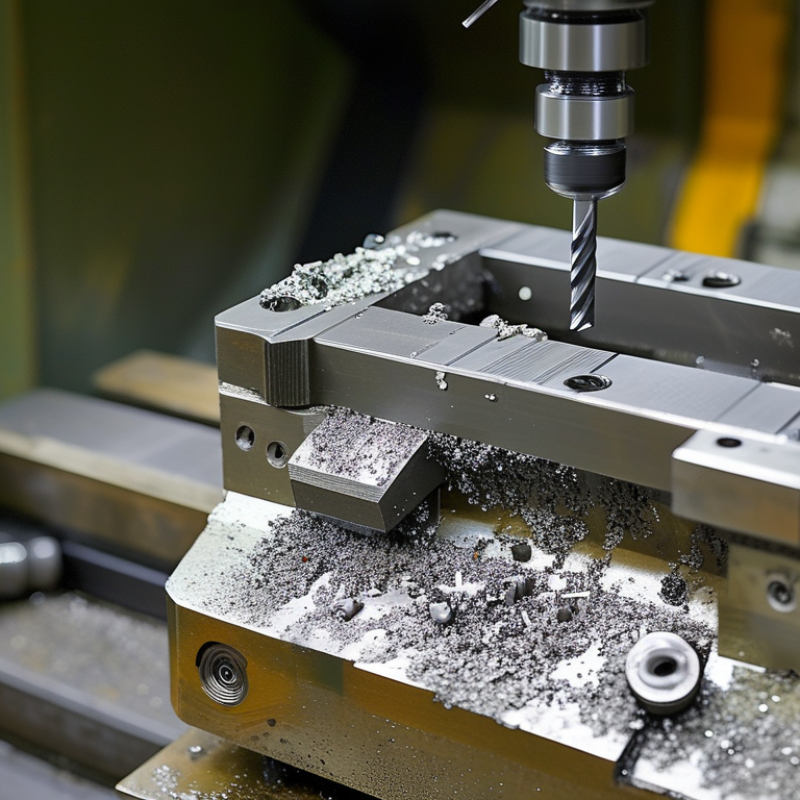
What Causes Workpiece Slippage in a Lathe Chuck?

Causes of Workpiece Slippage in Lathe Chucks

Workpiece slippage in a lathe chuck is a common issue that can lead to inaccurate machining and wasted materials. Several factors can contribute to this problem. One significant cause is improper clamping force. A study from the Manufacturing Technology Association indicates that 30% of workpiece slippage is due to insufficient pressure applied by the chuck. When the clamping force is too weak, workpieces can rotate unexpectedly, leading to quality defects.

Another key factor is the chuck's design. Worn-out or damaged chucks struggle to maintain grip, especially under high-speed operations. According to industry reports, nearly 20% of slippage incidents stem from inadequate chuck maintenance. Operators often overlook this critical area. Regular inspection and proper cleaning of the chuck jaws can mitigate slippage risks significantly.

Tip: Ensure the workpiece is clean and free of oil or debris before clamping. This simple step can enhance grip and reduce slippage.

Material choice also plays a role. Harder materials may slip more if the chuck is not designed for high-torque applications. A recent survey highlighted that about 15% of slippage events were attributed to incompatible material-chuck combinations. Evaluating the material properties before machining is crucial.

Tip: Use a torque wrench to measure the clamping force. This ensures you achieve optimal pressure without over-torquing, which can also lead to slippage.

Addressing these factors can significantly enhance operational efficiency and machining precision in lathe operations. Continuous learning and adaptation in this area are essential for industry professionals.

Types of Lathe Chucks and Their Impact on Slippage

When exploring lathe chucks, understanding their types is crucial in minimizing workpiece slippage. Lathe chucks can be classified into three main types: three-jaw, four-jaw, and collet chucks. Each type has unique characteristics affecting grip strength and stability.

Three-jaw chucks are popular for general machining. They automatically center the workpiece, but this design may cause slippage if the workpiece is not secure. Four-jaw chucks provide superior adaptability for irregular shapes. However, they require careful adjustment. Collet chucks offer the tightest grip, ideal for precision work. Yet, they may struggle with larger pieces.

Tips: Regularly inspect your chuck for wear. A worn-out chuck can lead to increased slippage. Tighten the jaws evenly to ensure proper grip. Experiment with different chucks based on specific tasks. Recognize that even the best chuck will slip if not matched to the workpiece size and surface texture. Understanding these factors is key to achieving optimal results.

Factors Influencing Workpiece Grip and Stability

In a lathe chuck, workpiece grip and stability depend on various factors. The type of chuck used plays a crucial role. A three-jaw chuck provides uniform support, while a four-jaw chuck offers greater flexibility. However, improper adjustment can lead to slippage, resulting in poor finishes or even damage.

The workpiece material and its geometry influence grip as well. Softer materials may compress under pressure, leading to instability. Irregular shapes complicate the gripping process. Ensuring proper alignment is essential for a secure hold. Operators often overlook this detail, resulting in unexpected vibrations during machining.

Proper technique in clamping is vital. Even torque distribution across the jaws is key to maintaining stability. If jaws are not tightened evenly, slippage is likely. Regular inspection and maintenance of the chuck also contribute to its effectiveness. Any wear or damage to the jaws can compromise grip, requiring careful monitoring.

Common Material Issues Leading to Slippage

Slippage in a lathe chuck can stem from various material issues. Identifying the root cause is essential for improved machining outcomes. Often, the workpiece material itself plays a crucial role. Certain metals, like soft aluminum, may deform under pressure, leading to slippage. Harder materials, although less prone to deformity, can still present challenges if they have a rough surface finish.

Another aspect to consider is the moisture content in the materials. High humidity can lead to rust or oxidation on metals. This contaminants can cause poor grip and slippage when machining. It’s vital to keep workpieces clean and dry, ensuring optimal performance in the lathe chuck.

Tip: Always inspect the surface of the raw material before loading it onto the lathe. A quick visual check can help catch potential issues early.

Tip: Consider using a lower grip force when working with softer materials. Too much force may lead to deformations, increasing the chances of slippage.

Understanding the material properties can prevent slippage. Keeping a close eye on these factors can significantly improve accuracy and stability during machining operations.

Preventative Measures to Reduce Workpiece Slippage

Workpiece slippage in a lathe chuck can lead to serious machining errors. Properly securing your workpiece is key. Understanding its causes will help you prevent slippage.

One common reason for slippage is improper clamping force. When the chuck grips too loosely, vibrations can occur. Check your chuck and ensure it's tightened evenly. Use a torque wrench to maintain proper clamping pressure. Regular inspection of the jaws is also essential. Worn jaws can significantly impact grip.

Tips: Always clean the workpiece and chuck surfaces. Dirt or oil may reduce friction. Use a roughened surface for added grip. Consider using chucks that offer better friction or alternative gripping methods for unusual shapes.

Another factor is the workpiece material. Different materials require different clamping techniques. Metal pieces might behave differently than plastic. Adjust your approach based on the material's properties. Don't hesitate to experiment with angles or clamping setups.

Tips: Record your settings and outcomes. This habit will allow you to identify which setups work best. Staying organized can save time and enhance productivity. Always learn from slips and adjust your methods accordingly.

Workpiece Slippage Causes and Preventative Measures

FAQS

: What causes workpiece slippage in lathe chucks?

: Insufficient clamping force is a major cause. About 30% of slippage occurs due to weak pressure from the chuck.

How does chuck design affect slippage?

Worn or damaged chucks fail to maintain grip, especially at high speeds. Nearly 20% of slippage cases are due to poor chuck maintenance.

What should I check before clamping a workpiece?

Ensure the workpiece is clean and free of oil or debris. This simple step can significantly enhance grip.

Can material choice impact workpiece stability?

Yes, harder materials may slip if the chuck is not suitable for high-torque applications. Assess material properties carefully.

How can I measure clamping force effectively?

Use a torque wrench to measure clamping force. This maintains optimal pressure and prevents over-torquing.

Why is proper technique important for clamping?

Even torque distribution across the jaws is crucial. Uneven tightening often leads to slippage and poor machining results.

What materials are prone to instability during machining?

Softer materials may compress, creating instability. Irregular shapes also complicate gripping, increasing the risk of slippage.

How often should I inspect my chuck?

Regular inspection is essential. Monitor for wear and damage to jaws, as these factors directly impact grip reliability.

What role does alignment play in workpiece grip?

Proper alignment ensures a secure hold. Overlooking this detail can lead to unexpected vibrations and poor machining outcomes.

What can I do to improve operational efficiency?

Continuous learning and adaptation are key. Addressing these factors can significantly enhance machining precision and reduce waste.

Conclusion

In exploring what causes workpiece slippage in a lathe chuck, several critical factors come into play. The type of lathe chuck used significantly impacts slippage; for instance, three-jaw chucks can provide better centering for round workpieces, while four-jaw chucks offer improved grip for irregular shapes. However, slippage often arises due to inadequate grip, which can stem from insufficient clamping force, improper alignment, or wear and tear on the chuck components.

Additionally, the material properties of the workpiece itself can contribute to stability issues. Soft or overly slick materials may not adhere well, resulting in movement during machining. To mitigate these risks, understanding the factors that influence grip and implementing preventative measures such as regular maintenance, correct setup procedures, and selecting the appropriate chuck type for the task at hand is essential.

Mason

Mason

Mason is a seasoned marketing professional with a deep expertise in the company's offerings and a passion for driving brand awareness. With a strong background in digital marketing strategies, he has an innate ability to connect with diverse audiences and effectively communicate product benefits.......