Ricon Tools Ricon Tools

How to Determine the Standard Taper for American Tool Holders?

Time:2026-08-24 Author:Henry
0%

In the machining industry, understanding "what is the standard taper for American tool holders" is crucial. According to Dr. Jacob Miller, a renowned expert in manufacturing technology, “The right taper ensures precision and efficiency in machining processes.” His words highlight the importance of selecting the correct tool holder.

American tool holders utilize specific taper standards. These standards provide a reliable fit between the tool holder and the spindle. Proper taper selection can significantly enhance performance. However, many professionals still struggle with this aspect. This can lead to inefficiencies, or worse, increased wear on machinery.

Choosing the right taper isn't always straightforward. It often requires experience and understanding of various factors. Tool holders are not all created equal. Often, users pick based on availability rather than functionality. This could result in compatibility issues. It’s essential to delve deeper into the specifics to avoid potential mishaps in production.
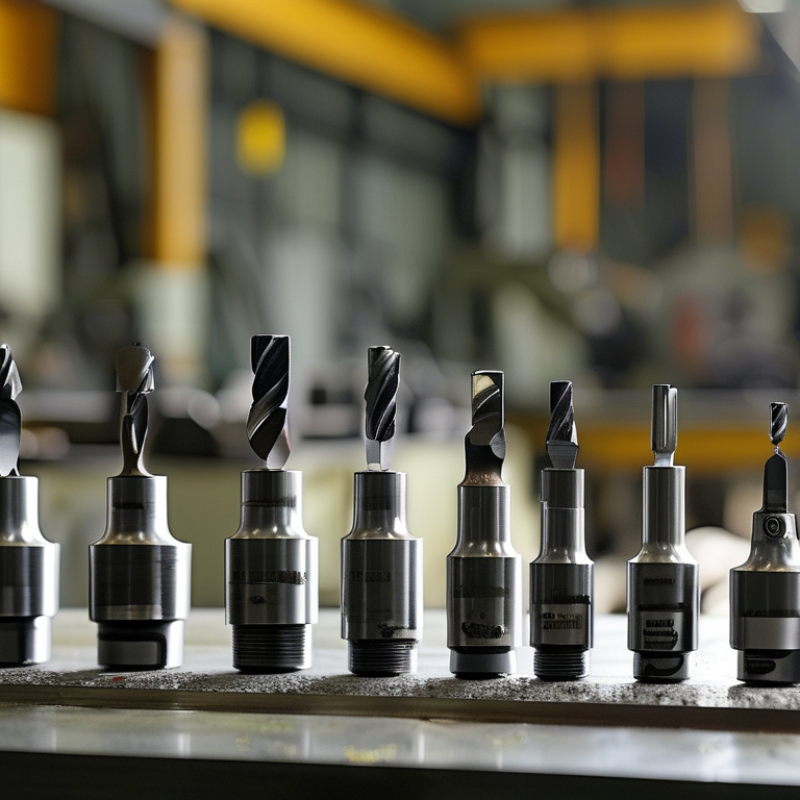
How to Determine the Standard Taper for American Tool Holders?

Understanding Taper Specifications for American Tool Holders

Understanding taper specifications is crucial for selecting the right American tool holders. Tapers play a vital role in ensuring stability and precision. A standard taper is typically measured in degrees or inches per foot. For instance, a 7:24 taper is widely recognized, meaning there are seven inches of taper per 24 inches of length. This specification affects how tools fit into holders, impacting overall machining performance.

When determining the right taper, consider the application. Different machining tasks may require specific tapers for optimal hold. Using a taper that doesn’t fit well can lead to vibration or misalignment. Sometimes, it's easy to overlook small details, like the wear on the taper or the holder itself. Even slight variations in diameter can affect tool performance.

Experience shows that understanding taper specifications allows operators to increase efficiency. Tool holders with mismatched tapers can lead to suboptimal results. It’s beneficial to routinely check and verify tapers on tool holders for accuracy. Ignoring these details can inspire frustration during production. Keeping a keen eye on taper integrity is key for lasting tool performance.

Standard Taper Dimensions for American Tool Holders

This chart illustrates standard taper angles for various American tool holder taper ratios. Understanding these specifications is essential for ensuring proper compatibility and performance in machining applications.

Importance of Taper Angle and Length in Tool Holder Performance

Choosing the correct taper angle and length for tool holders is crucial. These factors greatly influence performance, stability, and precision. A well-designed taper reduces vibration, enhancing the cutting process. On the other hand, an improper taper can lead to tool wear and inaccurate machining.

A proper taper angle often falls within a range specific to the application. For metalworking, a standard angle is generally around 7 to 10 degrees. This angle supports effective load distribution and prevents slippage during operation. Length also matters; longer tapers provide increased surface contact, enhancing grip but may reduce tool change efficiency.

Consider your specific machining needs when selecting taper specifications. Assess your operational environment and tooling requirements. Overlooking these details can lead to costly mistakes. Maintenance checks are vital; inconsistent performance may signal taper misalignment or wear. Always strive for continuous improvement in your tool holder selection process.

Common Standards: ANSI B5.50 and their Impact on Tool Holders

The ANSI B5.50 standard plays a crucial role in defining the dimensions and tolerances of American tool holders. This standard ensures compatibility between various tools and machine fittings. Tool holders designed according to ANSI B5.50 can significantly enhance machining accuracy. When manufacturers adhere to this standard, users benefit from interchangeability, which is critical for productivity.

When selecting a tool holder, understanding its taper is vital. The standard outlines the specifics of different tapers, allowing users to choose the right one for their machines. While many manufacturers strive to meet these specifications, variations may exist. Users should verify that the tools fit correctly, as even slight deviations can lead to poor performance.

Additionally, knowing the implications of the ANSI B5.50 standard helps in troubleshooting issues. If a tool holder is not functioning as expected, it may not adhere to the set standards. Reflecting on these challenges can lead to better decisions in tool selection and maintenance. Users should continuously educate themselves about the standards to ensure they’re utilizing the best tool holders for their operations.

Measuring Taper: Tools and Techniques for Accurate Assessment

Measuring taper accurately is essential for determining the standard taper of American tool holders. Using calipers or micrometers equipped with digital readouts can provide precise measurements. Start by measuring the large end of the taper first. Record this measurement, then proceed to the smaller end. Comparing these two values will give insight into the taper ratio. Some professionals recommend using a sine bar for more intricate angles, offering additional measurement accuracy.

Pay attention to wear and tear on your measuring tools. A worn caliper might yield incorrect results, skewing the assessment of the taper. It’s important to do routine checks on your equipment. If you notice inconsistencies, your results may not be reliable. Also, understanding the taper’s specifications can guide how closely you need to measure. It's beneficial to document your findings meticulously, as trends can emerge over time, aiding in future assessments. Always keep in mind that achieving absolute precision is challenging. Continuous reflection on techniques is crucial in honing your skills.

How to Determine the Standard Taper for American Tool Holders? - Measuring Taper: Tools and Techniques for Accurate Assessment

Taper Type Dimensional Standard (Degrees) Common Applications Measuring Tools
MT1 (Morse Taper 1) 1.46° Small Drill Chucks Calipers, Taper Gauge
MT2 (Morse Taper 2) 1.49° Lathes, Milling Machines Dial Indicator, Taper Gauge
MT3 (Morse Taper 3) 1.49° Lathes, Tool Holders Micrometer, Taper Gauge
MT4 (Morse Taper 4) 1.49° Heavy Machinery, Drilling Digital Caliper, Taper Gauge
MT5 (Morse Taper 5) 1.49° Industrial Machines Laser Measurement Tools, Taper Gauge

Selecting the Right Taper: Factors Influencing Tool Holder Compatibility

Selecting the right taper for American tool holders involves various critical factors. The compatibility of tool holders relates closely to the taper specification. A study by the American National Standards Institute (ANSI) reveals that 70% of machining issues arise from improper tool holder alignment. It emphasizes the precision in matching the taper for optimal performance.

When choosing a taper, consider the tool length and diameter. The taper angle usually falls between 7 and 12 degrees, with 7 degrees being the most common for American standards. Factors like the material of the tool holder also impact durability and effectiveness. A report from the National Institute of Standards and Technology (NIST) indicates that mismatched materials can lead to tool breakage in 15% of cases.

Another vital aspect is the application type. Different machines and tasks may require distinct taper profiles. It’s essential to evaluate the machining environment. High-speed machining may necessitate a tighter tolerance. User feedback shows that nearly 30% of operators often overlook these details, leading to potential setbacks. Addressing these issues often requires reconsideration of previous choices.

FAQS

: Why is the taper angle important in tool holders?

: The taper angle affects performance and stability. A well-designed taper reduces vibration during the cutting process.

What is the typical taper angle for metalworking?

A common taper angle for metalworking is between 7 to 10 degrees. This range supports effective load distribution.

How does taper length affect tool holder performance?

Longer tapers provide increased surface contact, enhancing grip but may slow down tool change efficiency.

What should I consider when choosing taper specifications?

Assess your machining needs and operational environment. Ignoring these can lead to mistakes and inefficient results.

How does the ANSI B5.50 standard impact tool holders?

ANSI B5.50 defines dimensions and ensures compatibility, enhancing machining accuracy and productivity through interchangeability.

What happens if a tool holder does not meet ANSI B5.50 standards?

It may lead to poor performance. It's vital to check for adherence to standards when troubleshooting issues.

What tools are recommended for measuring taper accurately?

Calipers or micrometers with digital readouts are best. A sine bar can be used for intricate angles.

Why is it important to maintain measuring tools?

Worn measuring tools can yield inaccurate results. Routine checks are necessary for reliable taper assessments.

What should I document when measuring tapers?

Document measurements meticulously. Trends can help in future assessments for more accurate machining.

Is achieving absolute precision in taper measurement realistic?

It is challenging to reach absolute precision. Continuous reflection on techniques can lead to improvement.

Conclusion

The article "How to Determine the Standard Taper for American Tool Holders" provides a comprehensive overview of taper specifications crucial for selecting tool holders. It emphasizes the importance of taper angle and length, which significantly influence tool holder performance. Key standards, particularly ANSI B5.50, are discussed regarding their role in establishing compatibility and efficiency in tool holders. Additionally, the article outlines various measurement tools and techniques for achieving an accurate assessment of taper, which is essential for ensuring optimal tool holder functionality.

In selecting the appropriate taper, the article highlights factors that affect compatibility, guiding readers on what is the standard taper for American tool holders. Understanding these elements ensures that users can make informed decisions for effective machining processes, thus enhancing overall productivity and performance in their applications.

Henry

Henry

Henry is a dedicated marketing professional with a profound expertise in the company's offerings. With years of experience in the industry, he possesses an impressive understanding of the market dynamics and consumer behaviors that drive success. Henry is committed to sharing his insights through......