Ricon Tools
1. Executive Summary & The Evolution of Taper Shank Tool Holders
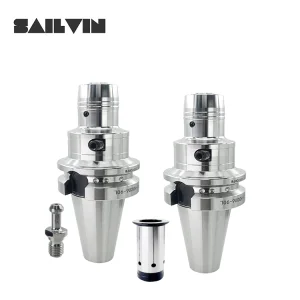
In modern manufacturing, tool holding systems represent the critical bridge between the high-torque, ultra-high-speed machine spindle and the cutting tool itself. Historically, the transition from manual, low-speed milling systems to high-speed, automated CNC centers has driven the transformation of tool holder technology. The traditional Morse Taper gave way to steep tapers (such as 7/24 CAT, BT, and DIN 69871 standards) and ultimately to the dual-contact face-and-taper interfaces (such as HSK and modified BT designs).
At high rotational velocities, centrifugal forces cause the spindle to expand, which pulls standard taper shanks deeper into the housing. This shift alters the Z-axis height and degrades mechanical stability. The adoption of advanced taper interfaces directly addresses this thermal and structural deflection. Standardizing on precision taper shank configurations ensures micro-meter accuracy, uniform clamping forces, and the dynamic balance (often rated up to G2.5 at 25,000 RPM) necessary to support modern sub-micron and high-feed machining operations.
2. Comprehensive Industrial Solutions & Application Scenarios
Modern CNC tooling systems must survive diverse operating environments. Heavy roughing cuts require extreme torque transmission, while fine finishing operations mandate exceptional stability and vibration damping.
- Aerospace Component Machining: Machining titanium alloys, nickel-based superalloys, and carbon fiber composites demands robust rigidity. Heavy-duty hydraulic tool holders and shrink-fit systems are typically deployed to mitigate harmonics and achieve high metal removal rates.
- Automotive High-Volume Production: Fast cycle times demand reliable, predictable performance. Tool changers run continuously, which necessitates highly wear-resistant interfaces to preserve spindle integrity over millions of loading cycles.
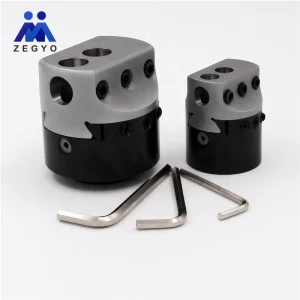
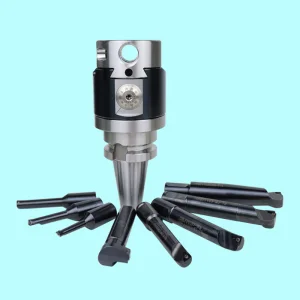
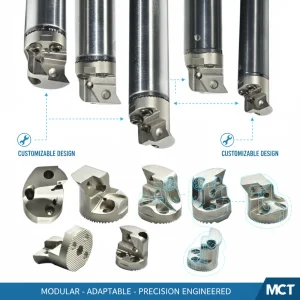
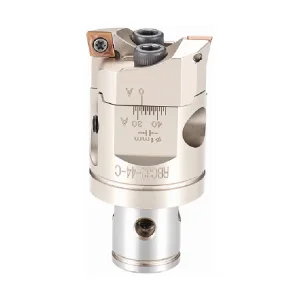
- Mold & Die Manufacturing: Deep cavities require extended reach tool configurations. Damped boring bars (such as the NiceCutt Anti-Vibration system) combined with precision boring heads allow machining of high-aspect-ratio holes while maintaining geometric tolerances.
- Medical and Micro-machining: Small dental implants and micro-surgical components rely on small-scale taper shanks (like ISO 10, ISO 20, or HSK-E25). These systems operate at high spindle speeds to deliver the necessary cutting velocity for sub-millimeter tools.
3. Global Procurement Challenges & Mitigation Strategies
Procurement teams are tasked with balancing initial acquisition costs against tool longevity and operational safety. A low-cost tool holder that degrades quickly can rapidly erode profit margins.
Key challenges in global supply chains include:
- Taper Material Chemistry and Heat Treatment: Tool holders must feature a hard outer skin (typically 58-62 HRC) to resist wear, while retaining a tough, shock-absorbing core (35-40 HRC) to survive heavy impact forces. Standardizing on alloys like 20CrMnTi is a proven method for balancing these requirements.
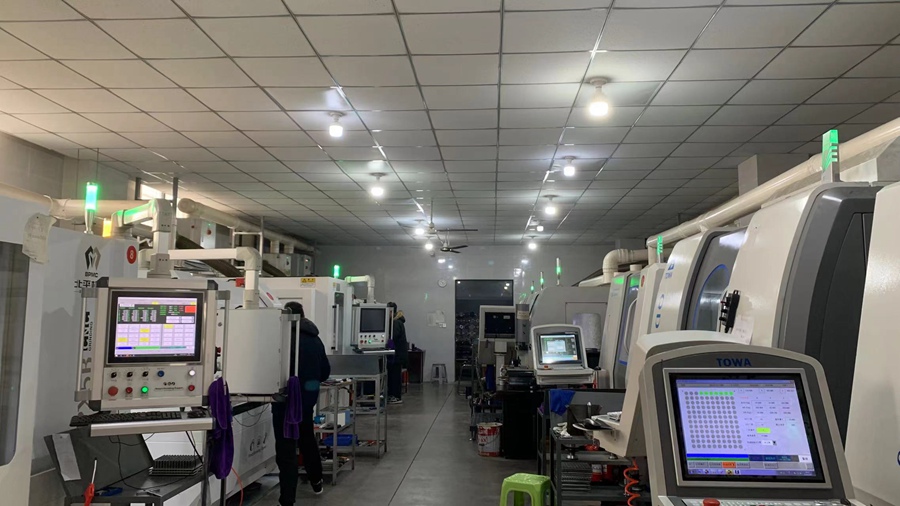
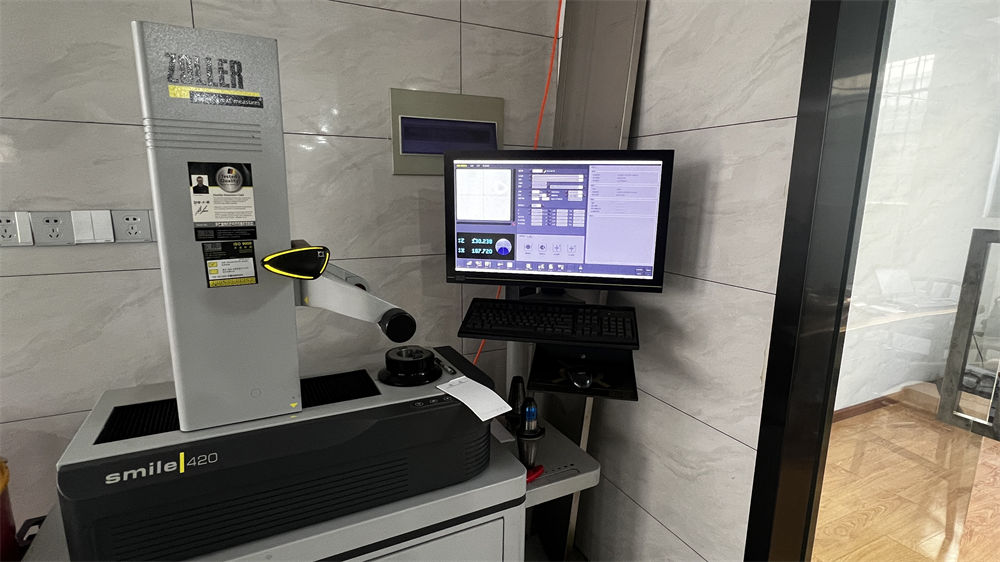
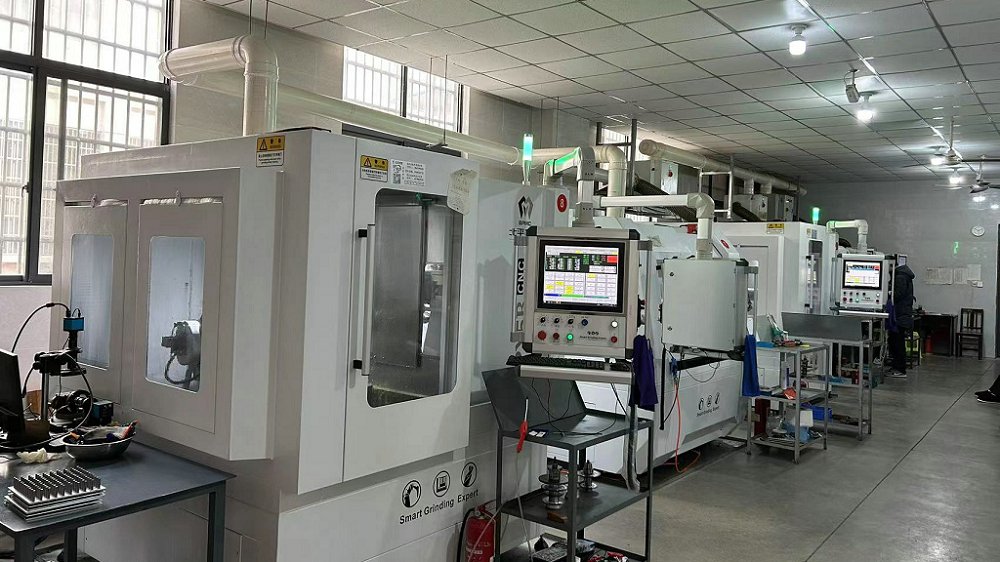
- Concentricity and Geometrical Tolerances: Precision taper grinding demands advanced machinery. Out-of-roundness or incorrect taper angles lead to uneven contact patterns inside the spindle, accelerating spindle wear and leading to expensive repairs.
- Supply Chain Transparency and Standards Compliance: Procurement leads must verify that suppliers conform to recognized standards such as ISO, DIN, MAS, or ANSI. Traceability of raw materials via mill test certificates is a critical metric for quality assurance.
4. Technical Roadmap & Future Trends
The machine tool industry is adapting to support digitized production workflows, automation, and sustainable practices.
Key technological developments include:
- Smart Tooling (Industry 4.0 Integration): Embedding RFID chips or Bluetooth-enabled sensors directly within tool holder bodies allows for real-time tracking of run-time, temperature, vibration profiles, and fatigue cycles.
- Advanced Coatings and Materials: Application of specialized coatings (such as Black Oxide or DLC) on non-functional surfaces minimizes corrosion and prevents corrosion-fatigue cracking. Advanced composite structures are also being researched to reduce weight for high-velocity tooling applications.
- Eco-Friendly Manufacturing: Incorporating minimum quantity lubrication (MQL) channels directly through the spindle and taper shank reduces overall coolant consumption and aligns with carbon reduction mandates.