Ricon Tools
1. Argentina Industrial Outlook: The Crucial Need for Phase II-Style Quick Change Systems
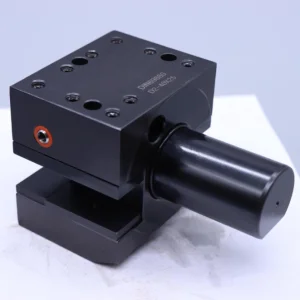
Argentina's industrial matrix is undergoing an intensive transformation. In major manufacturing nodes such as the Córdoba agricultural machinery belt, the Buenos Aires automotive assembly parks, and the high-intensity energy sector focused around the Vaca Muerta shale gas reserves, operational efficiency is key. For local workshops (talleres metalúrgicos) and large industrial exporters alike, minimizing machine downtime is the margin between profitability and losses. In this demanding climate, the Phase II-style Quick Change Tool Post (QCTP) and Tool Holder system has emerged as the definitive standard for Conventional, Hybrid, and CNC turning applications.
The Argentine market historically relies on robust engine lathes (like those manufactured by local brands or imported from Europe). Upgrading these manual lathes with a high-precision Phase II-style wedge or piston Quick Change Tool Post allows operators to swap cutters in under 10 seconds. This avoids the tedious task of manually shimming standard four-way tool posts to match center height, which directly saves hours of setup labor in low-to-medium batch runs. For repair stations dealing with custom components in the agricultural and petrochemical industries, this agility is essential.
“In workshops across Rosario and San Francisco, machining shafts for harvesters require multiple operations—roughing, finishing, threading, and parting. A Phase II-style system with individual holders dedicated to each carbide insert geometry allows tool changes without recalibrating the machine coordinate offsets, guaranteeing repeatability under 0.01mm.”
2. Global Tooling Demands and Technical Benchmarks
On a global level, manufacturing plants are standardizing tooling systems to achieve higher repeatability and rigidity. As workpiece geometries become more complex, machining tolerances shrink. The modern Phase II-style design relies on micro-ground surfaces and high-durability alloy steels. Standard industrial buyers demand key specifications when importing tool holder sets:
- Surface Hardness: Core toughness with carburized or nitride-treated surface hardness reaching HRC 50–55 to prevent deformative wear under heavy loading.
- Interchangeability: Strict compliance with the classic wedge-lock or piston-lock envelope dimensions (Series AXA, BXA, CXA, CA, and DA), allowing users to mix and match holders from different certified manufacturers.
- Clamping Force & Rigidity: Dynamic resistance to lateral deflection during heavy-duty roughing cuts, preventing vibrations (chatter) that compromise carbide insert life and workpiece finish.