Ricon Tools
Ricon Tools
Ricon Tools
Engineered for minimal vibration, maximum accuracy, and high durability under heavy cutting loads.
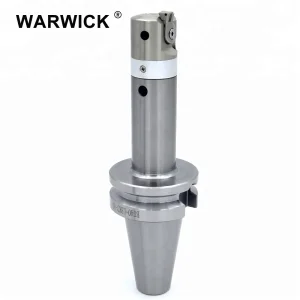
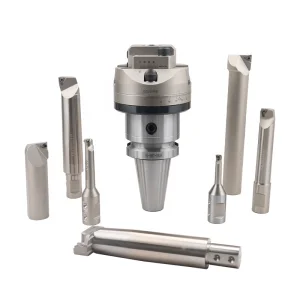
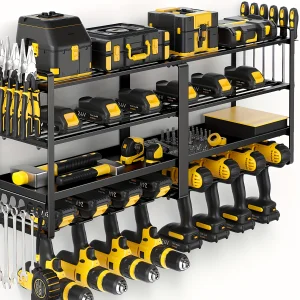
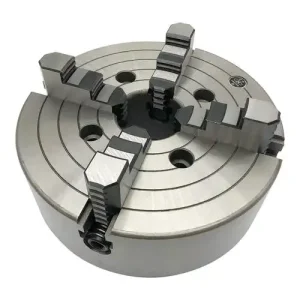
In modern manufacturing, internal precision machining governs the production of high-performance internal combustion engine blocks, aerospace gas turbine housings, subsea oil and gas extraction valves, and heavy wind energy gearbox hubs. In this paradigm of micro-tolerances, the role of a CE certified boring tools factory and exporter is critical. Boring is essentially a corrective machining operations category. While drilling creates initial pilot pathways, boring corrects the internal diameter's circularity, alignment, and axial straightness. This makes it a high-stakes process where tool deflection, thermal expansion, and mechanical chatter must be controlled at sub-micron scales.
The transition from legacy internal turning setups to advanced multi-edge indexable system platforms has redefined precision parameters globally. Modern manufacturers in the European Union, Americas, and East Asia are shifting toward modular tool interfaces to eliminate tool configuration bottlenecks. This industrial demand requires complete tooling integration systems that comply with stringent directives such as the EU Machinery Directive 2006/42/EC. Our tooling systems feature mechanical interlocking integrity, balancing consistency (meeting G2.5 ISO standards at high spindle velocities), and standardized geometry layouts.
The digitization of industrial workshops has spurred significant technological growth. Precision boring operations are progressively integrating smart sensor elements within tool assemblies. Modern digital micro boring systems now utilize internal Bluetooth transmitters linked to digital gauges. This allows operators to adjust bore diameters in increments of 0.002mm without taking the boring head off the spindle.
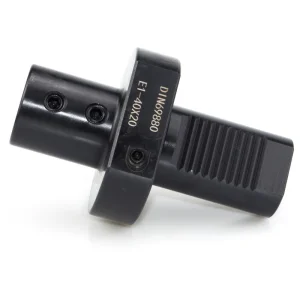
Simultaneously, the demand for minimal downtime and quick-change tooling has accelerated the adoption of standard modular interfaces. Interfaces such as the LBK and VDI (DIN 69880) layouts ensure that replacement tool assemblies can be swapped with minimal setup times. This transition is essential for running high-speed CNC milling and turning lines efficiently. Additionally, the rise of environment-friendly dry machining and Minimum Quantity Lubrication (MQL) systems has led to redesigns in tool holder channels, ensuring internal coolant delivery is directed precisely at the tool-workpiece contact interface.
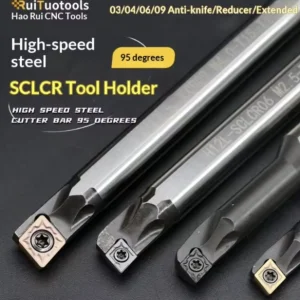
Our engineering vision focuses on designing high-damping boring bars that use heavy metal alloys or carbide-reinforced core geometries. We are also optimizing carbide indexable insert geometries to control chip formation when working with sticky or hard materials like duplex stainless steels, titanium alloys, and Inconel.
Future designs will also focus on reducing mechanical mass at the outer diameter of the boring head. This helps mitigate centrifugal force distortions when machining at spindle speeds exceeding 15,000 RPM.
A closer look at the design details that deliver reliable performance and precision in modern CNC shops.
Features dynamically balanced internal mass dampening systems (TMD). This structure absorbs high-frequency vibrations during deep-hole boring operations, protecting the tool's cutting edge and improving surface finish.
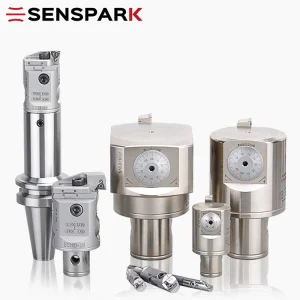
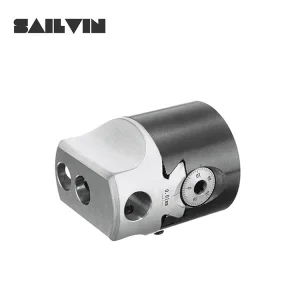
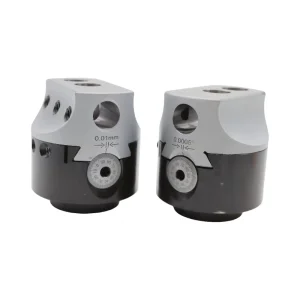
Micro boring heads feature an internal dial mechanism designed to provide incremental radial adjustments of 0.002mm. The adjustment assembly is designed to minimize thread backlash, maintaining accuracy across multiple batch runs.
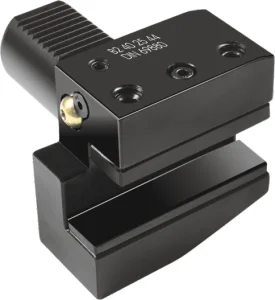
Fully compliant with DIN 69880 (VDI system structures) and standardized LBK tooling connections. This ensures reliable compatibility with mainstream CNC turning centers and automated tool changers.
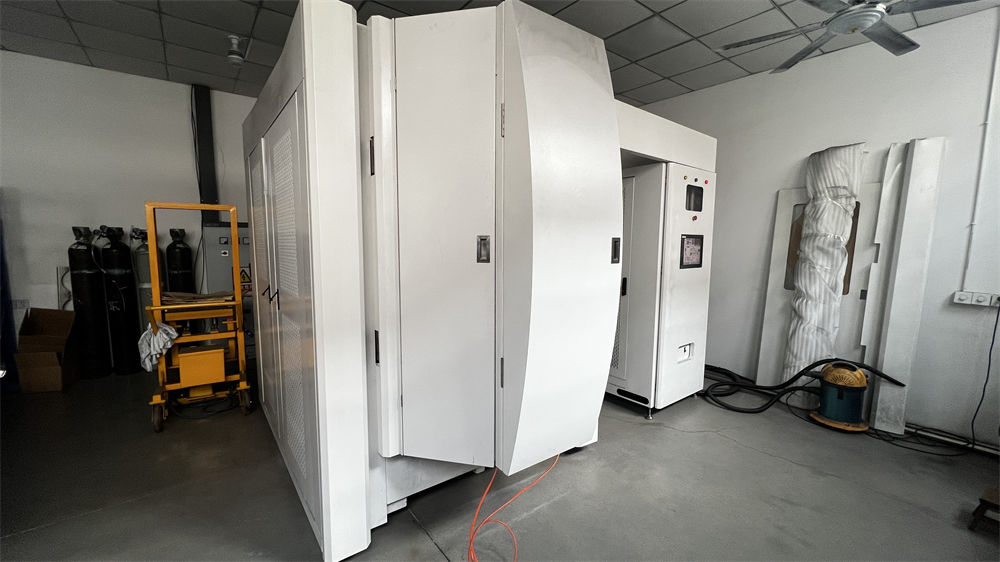
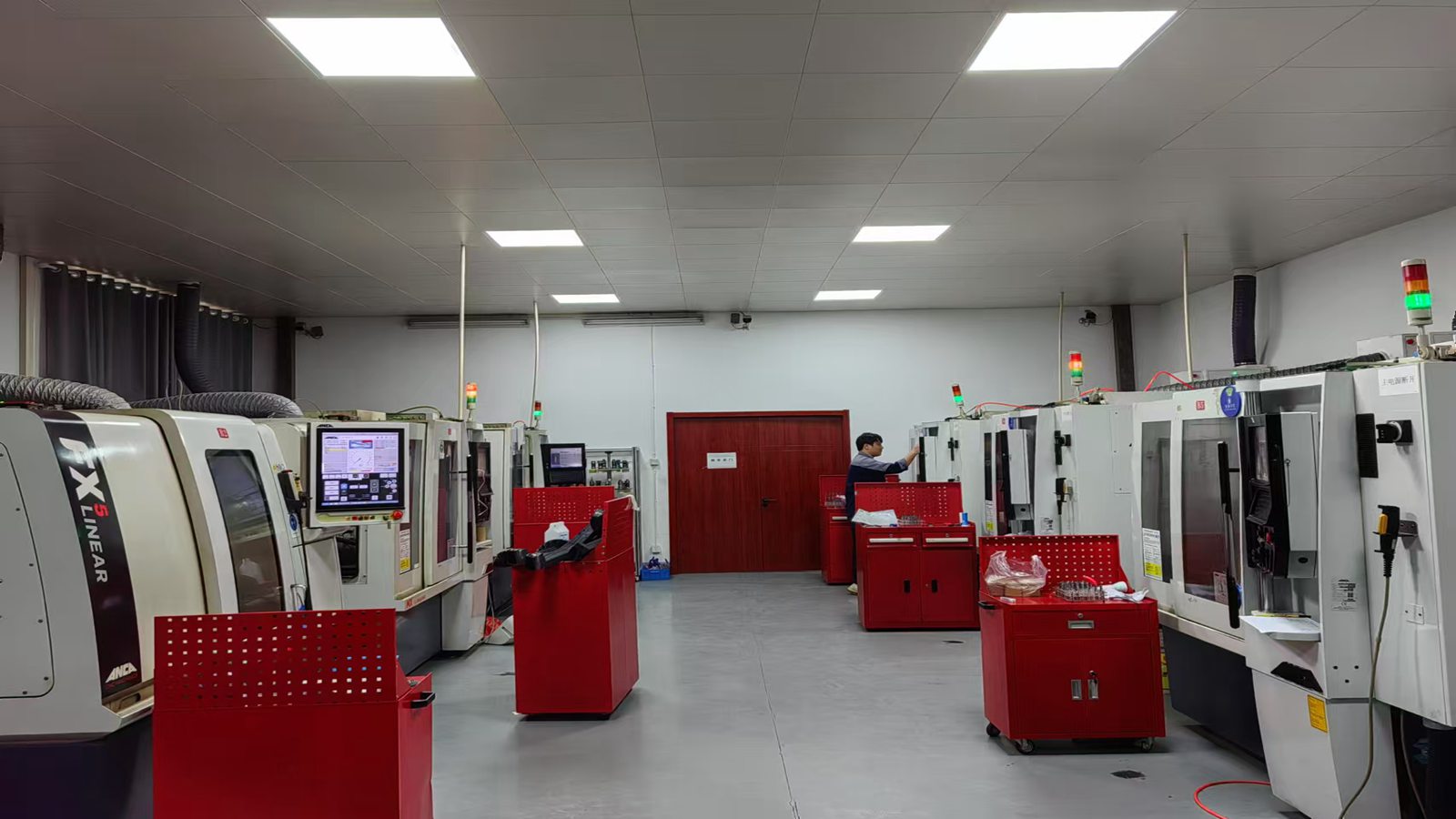
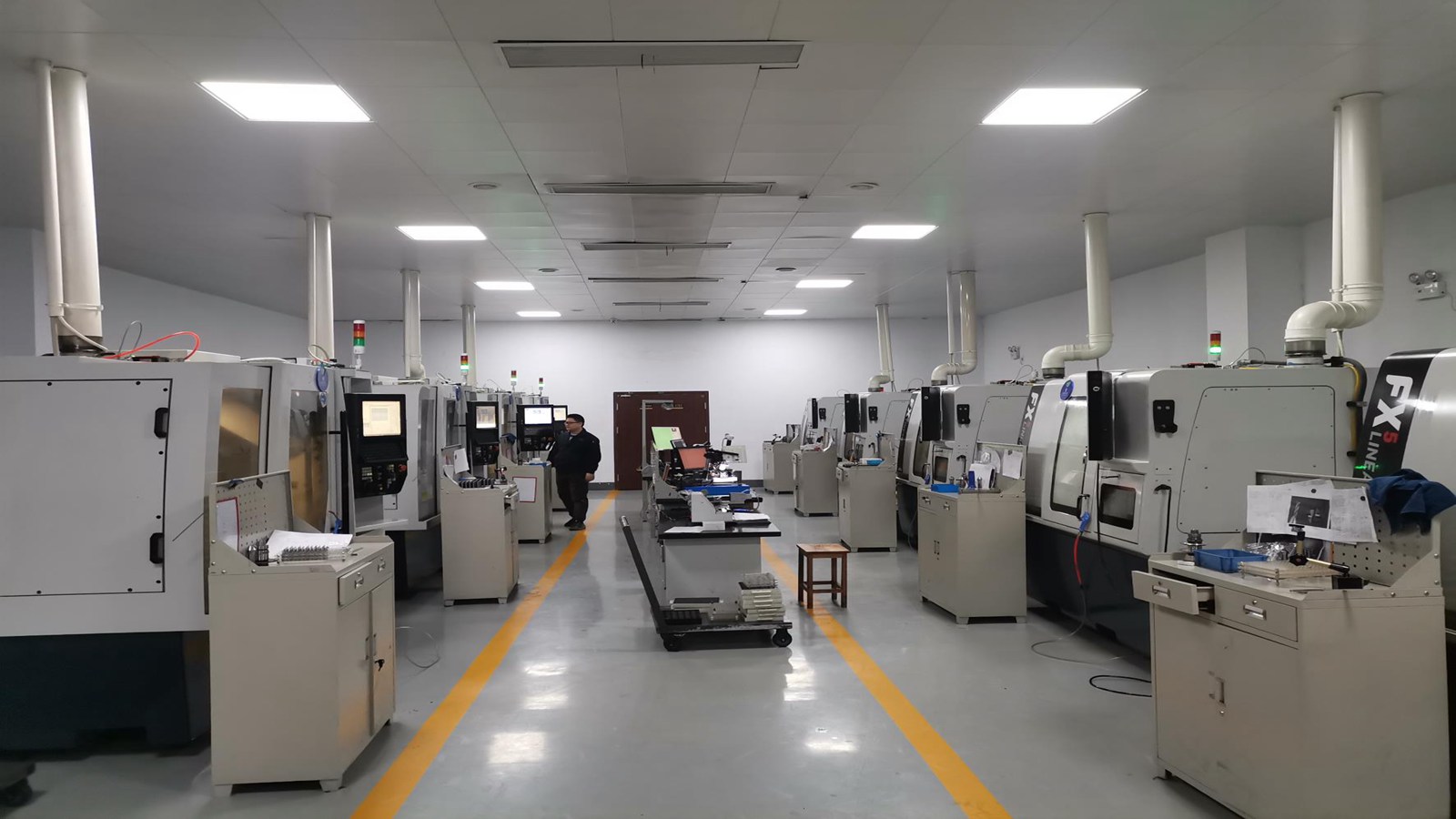
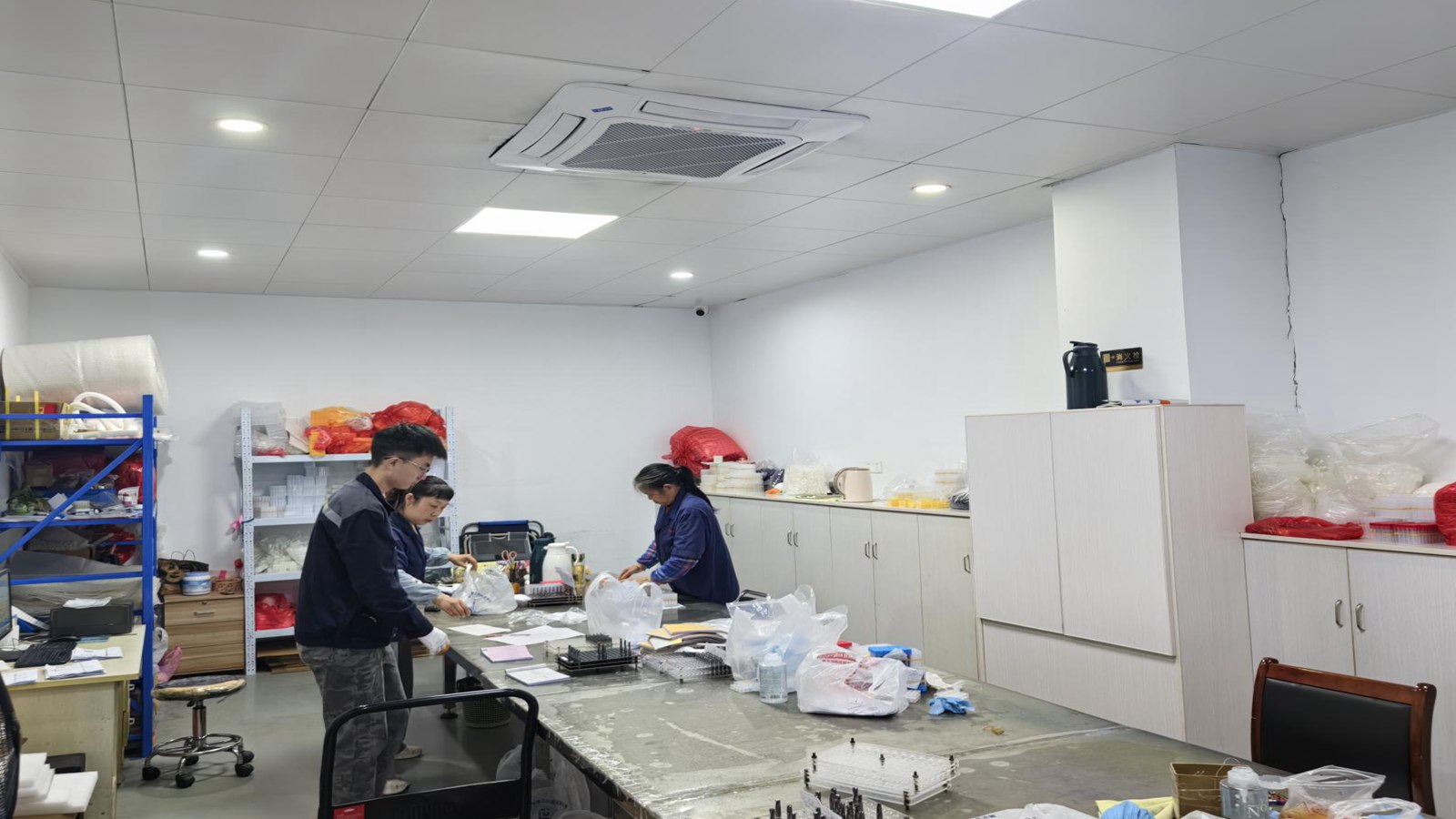
Shandong Ricon Tools Co., Ltd. is a specialized manufacturer focused on the research, development, and production of precision machine tool accessories.
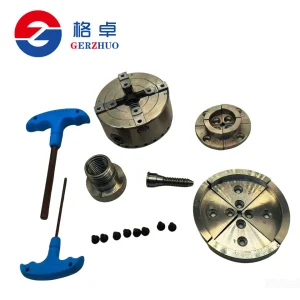
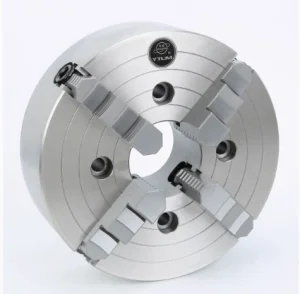
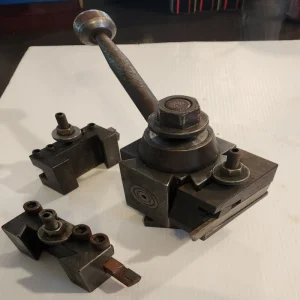
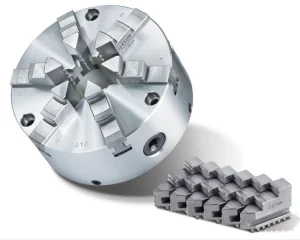
Since our establishment, Ricon Tools has worked to provide reliable tooling solutions for the global metalworking and woodworking industries. Our product portfolio includes a wide range of precision machine tool accessories, such as 4-jaw woodworking chucks, American quick-change tool holders, VDI tool holders, boring heads, ER collet chucks, milling chucks, drill chucks, tool holders, CNC tooling accessories, and other precision machining components. These components are used in CNC machining centers, lathes, milling machines, woodworking machinery, and various industrial manufacturing applications.
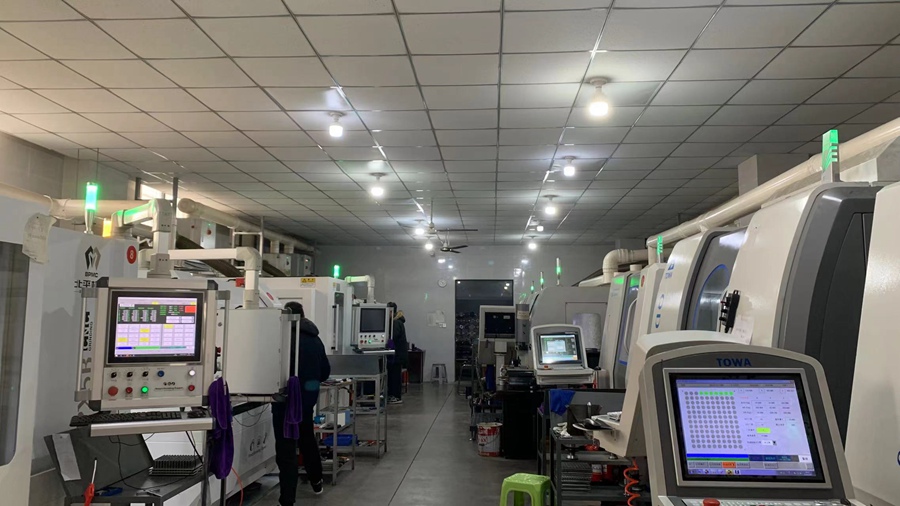
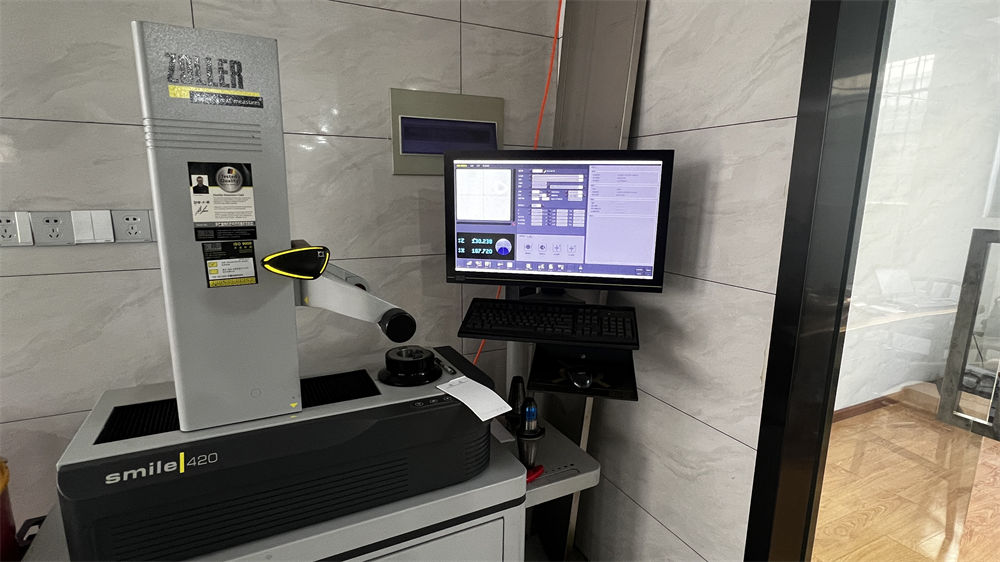
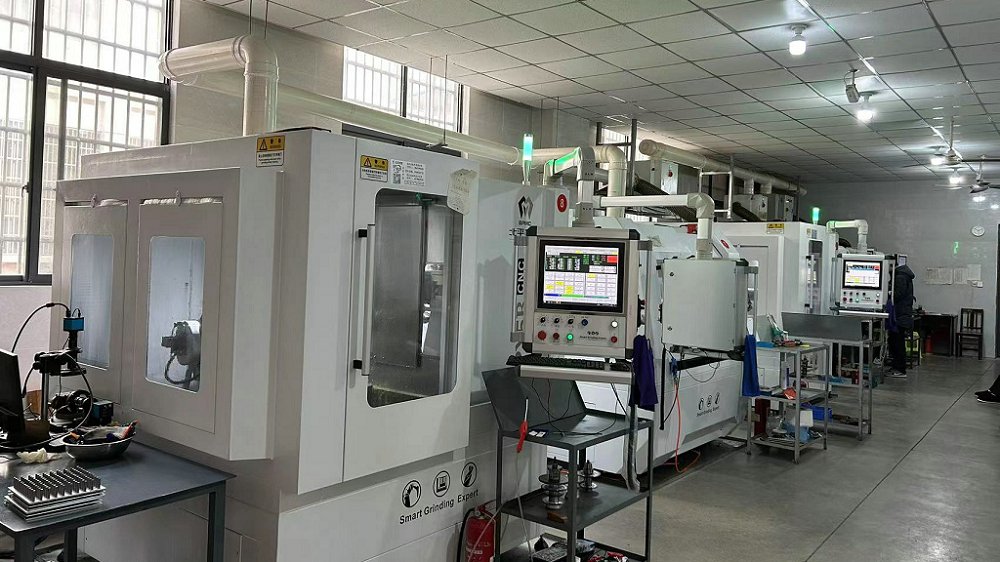
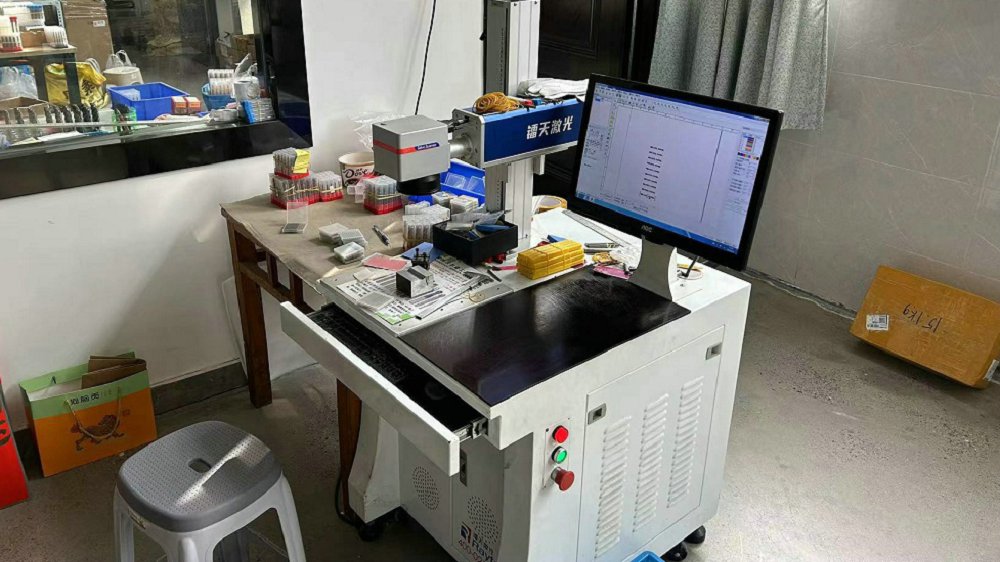
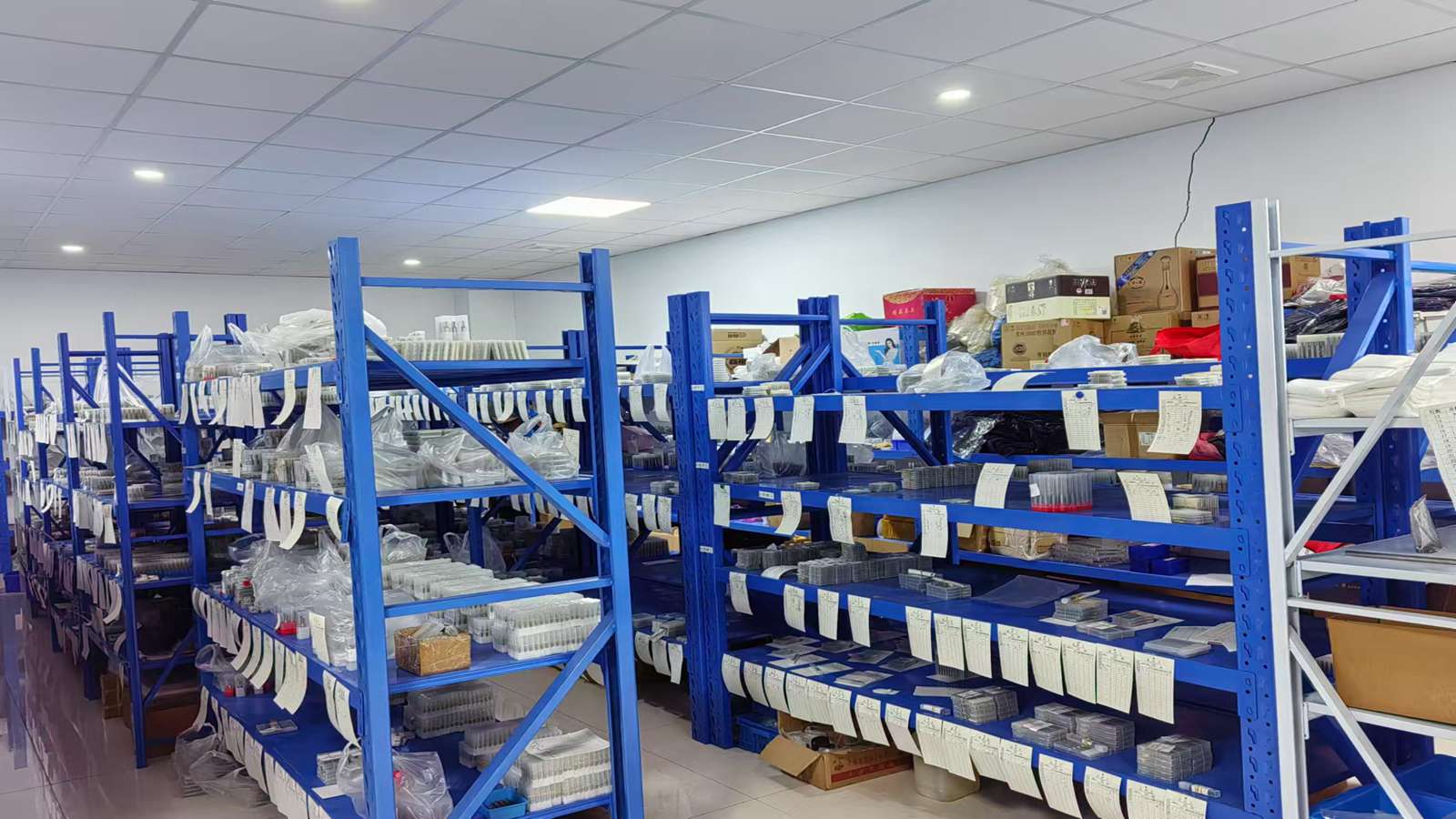
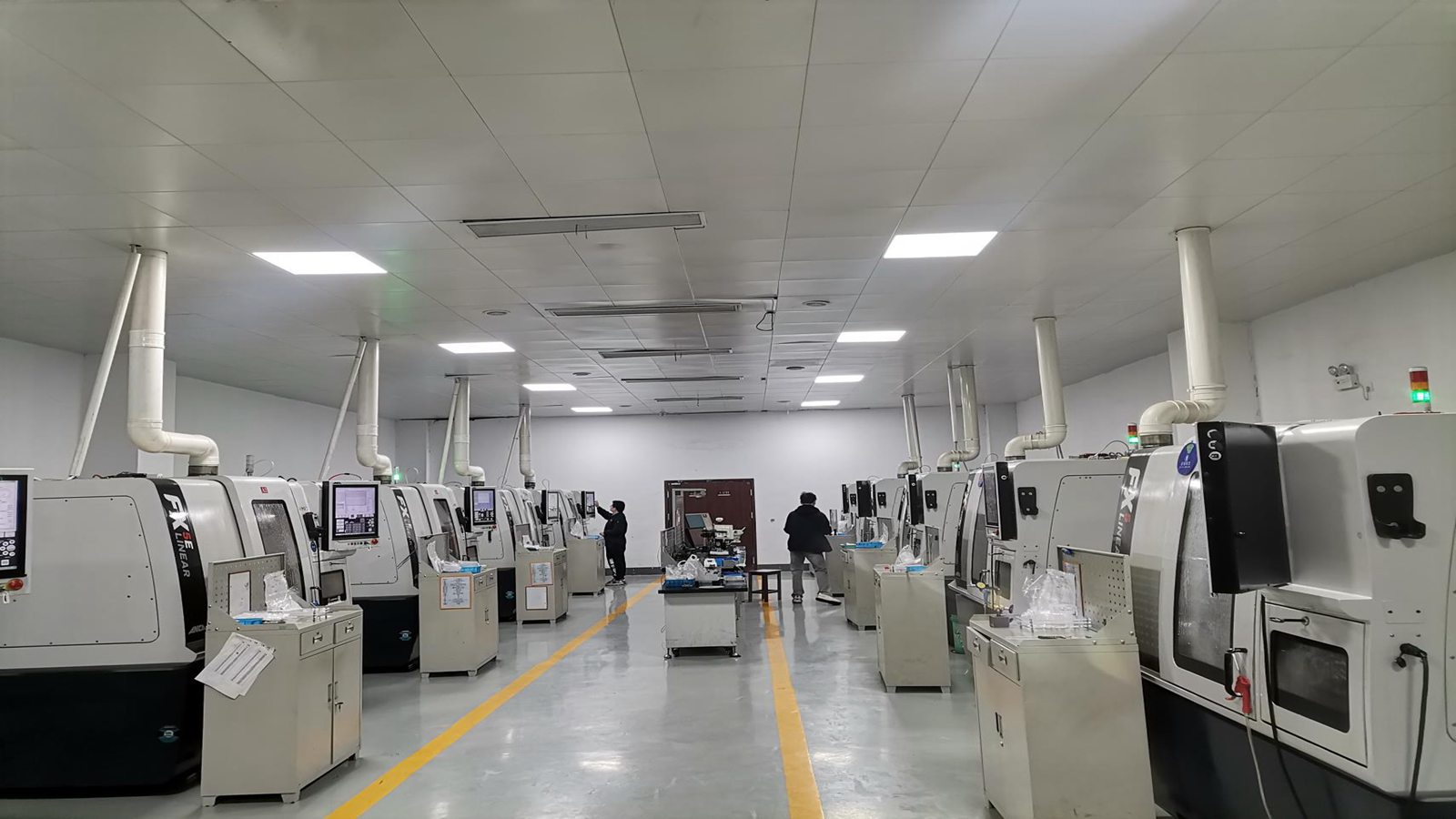
To ensure consistent product quality and manufacturing efficiency, Ricon Tools has invested in advanced CNC machining equipment, precision grinding machines, inspection instruments, and automated production facilities. Supported by an experienced technical team and a strict quality management system, every product is manufactured to meet tight precision tolerances and maintain durability under demanding production conditions.
Over years of operation in the machine tool accessories industry, Ricon Tools has built long-term partnerships with customers in multiple countries. Our products are widely used in our domestic market and are exported to more than 30 countries and regions, including the United States, Canada, Germany, Italy, Russia, Australia, Southeast Asia, the Middle East, and South America.
Guided by our core values of "Quality First, Innovation Driven, Customer Focused," Shandong Ricon Tools Co., Ltd. continuously invests in technological innovation, product development, and manufacturing process control. We are dedicated to providing customers with reliable products, customized solutions, and comprehensive technical support.
Aerospace manufacturing requires boring out structural forgings made of high-strength titanium alloys and aluminum. Due to the high value of these parts, tool failure or out-of-tolerance dimensions can lead to costly scrap. Using our CE certified micro boring heads helps maintain precise runout limits, supporting tight tolerance specifications in thin-walled component machining.
Wind turbine gearbox housings require the boring of large-diameter, deep holes to house roller bearings. Deflection and alignment errors over deep bores can cause premature gearbox wear. Our heavy-duty indexable boring heads, paired with rigid VDI tool holders, help ensure proper tool alignment and surface finish consistency.
High-volume automotive production lines require tooling that can maintain accuracy across thousands of cycles. For operations like boring engine cylinder bores and crankshaft tunnels, our modular boring assemblies are designed to minimize setup variation, supporting consistent cycle times and throughput.
Common technical questions regarding precision boring heads, DIN standards, and machining operations.
Explore our range of boring tools, lathe chucks, and VDI-compliant adapters designed for industrial manufacturing.