Ricon Tools
Ricon Tools
Ricon Tools
Explore our elite range of high-efficiency modular tooling assemblies engineered to handle demanding tolerances and maintain sub-micron repeatability.
Shandong Ricon Tools Co., Ltd. is a professional manufacturer specializing in the research, development, production, and sales of precision machine tool accessories. Since our establishment, we have been committed to providing premium tooling solutions for the global metalworking and woodworking industries.
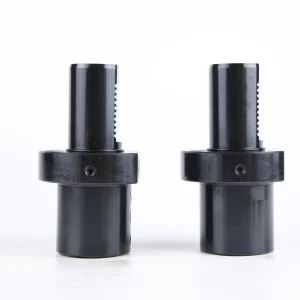
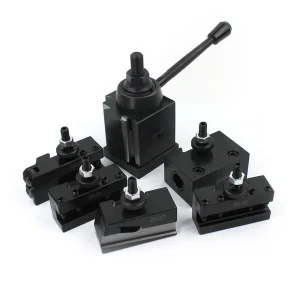
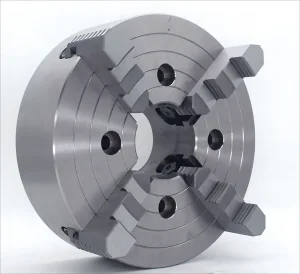
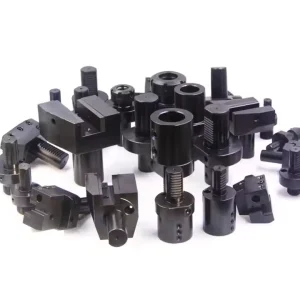
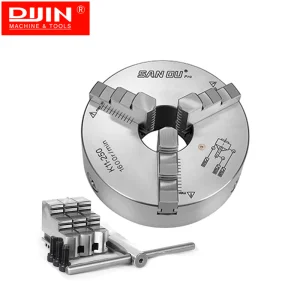
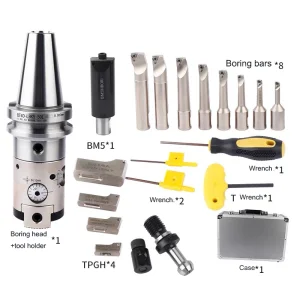
Our comprehensive product portfolio includes a wide range of precision machine tool accessories, such as 4-jaw woodworking chucks, American quick-change tool holders, VDI tool holders, boring heads, ER collet chucks, milling chucks, drill chucks, tool holders, CNC tooling accessories, and other precision machining components. These components are extensively integrated into CNC machining centers, high-speed turning centers, automated milling setups, and heavy industrial machinery worldwide.
Through our persistent application of the philosophy "Quality First, Innovation Driven, Customer Focused," we continuously invest in advanced CNC machining equipment, precision grinding instruments, and stringent calibration technologies. We have established long-term commercial partnerships across 30+ countries and regions, earning a solid reputation for superior tolerance control, competitive wholesale pricing, and reliable delivery cycles.
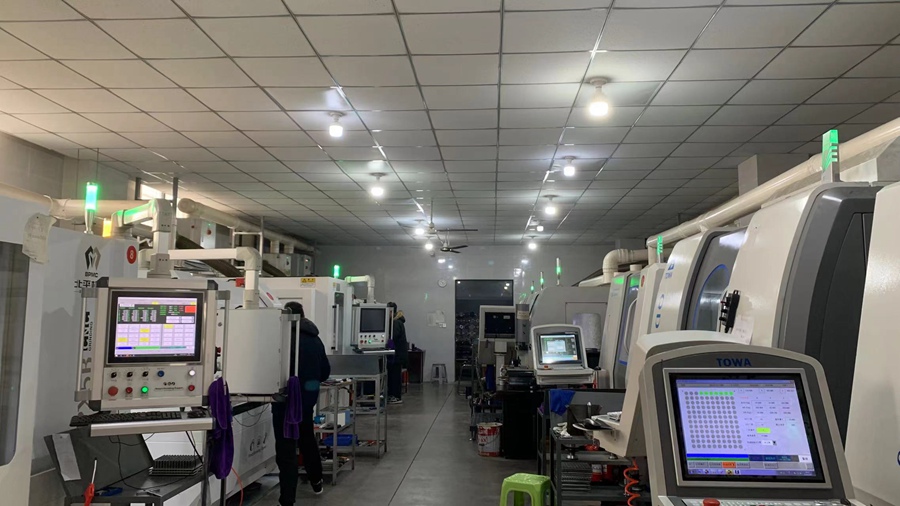
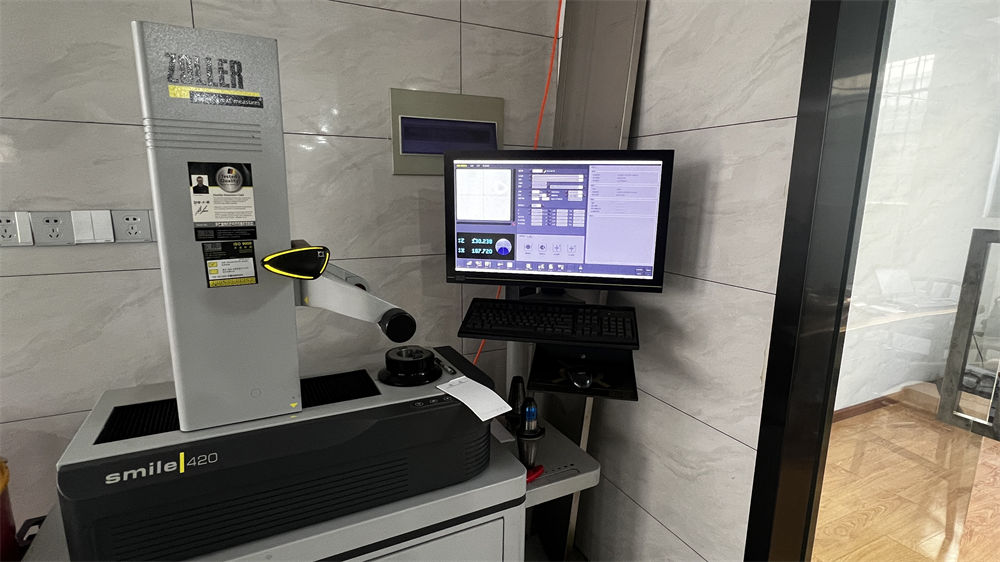
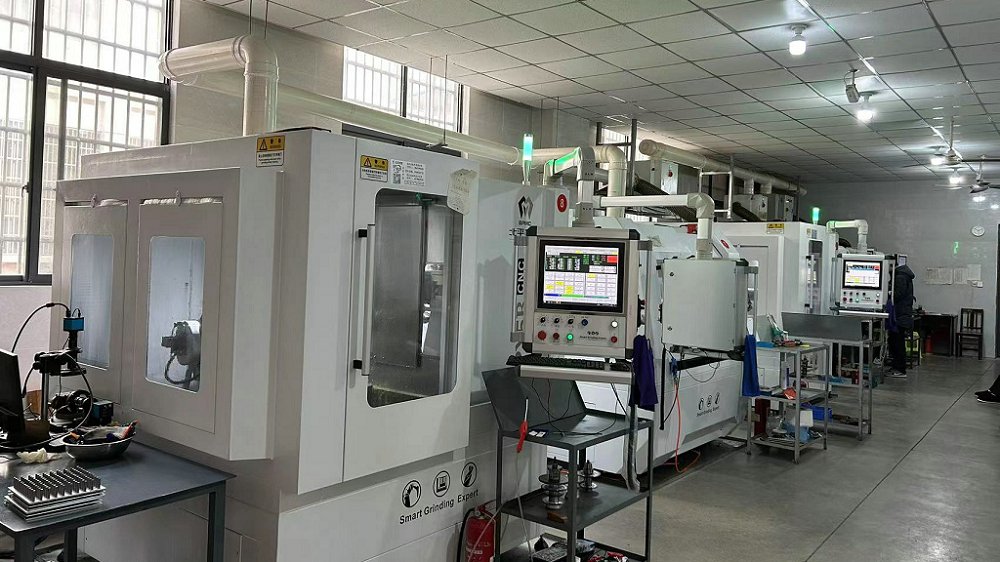
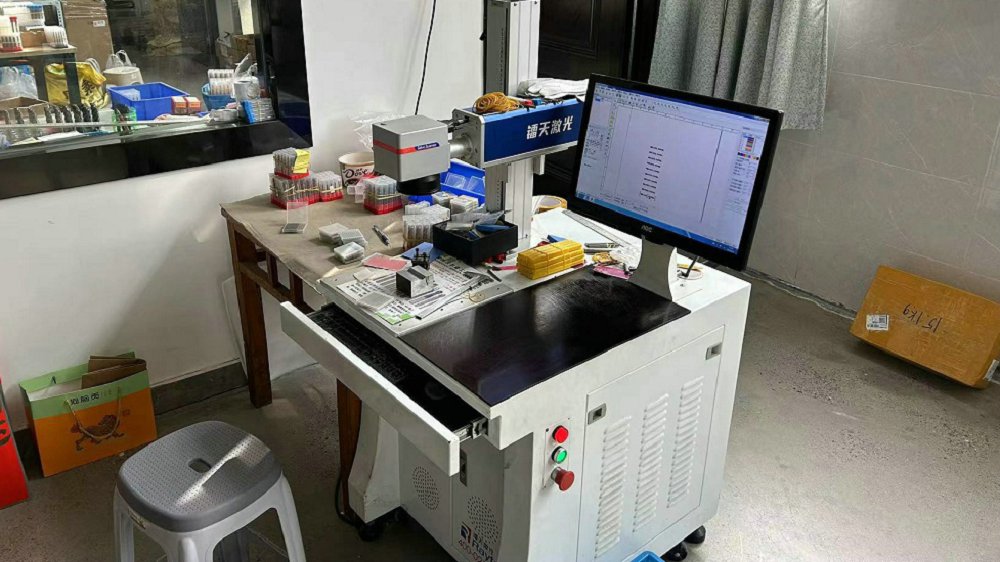
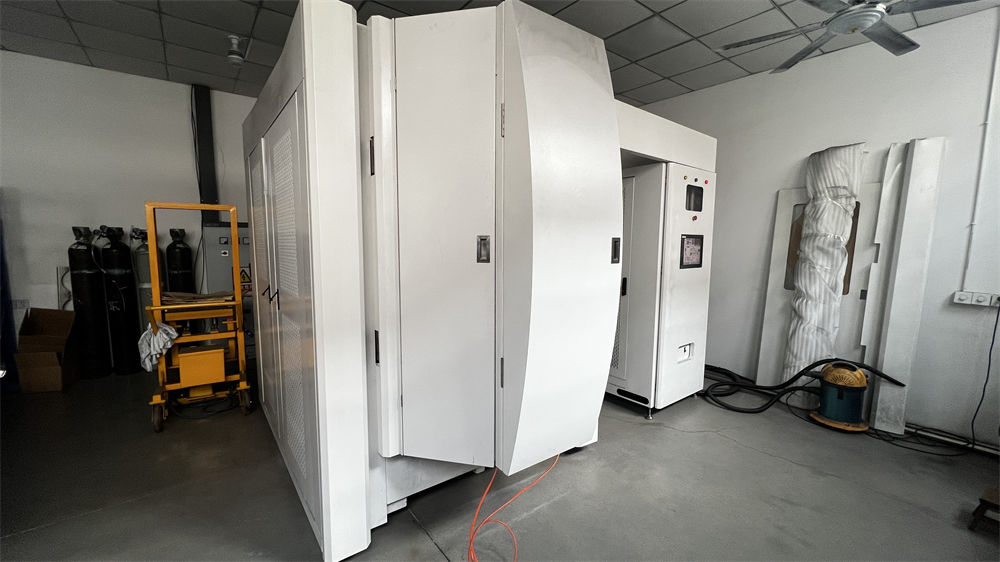
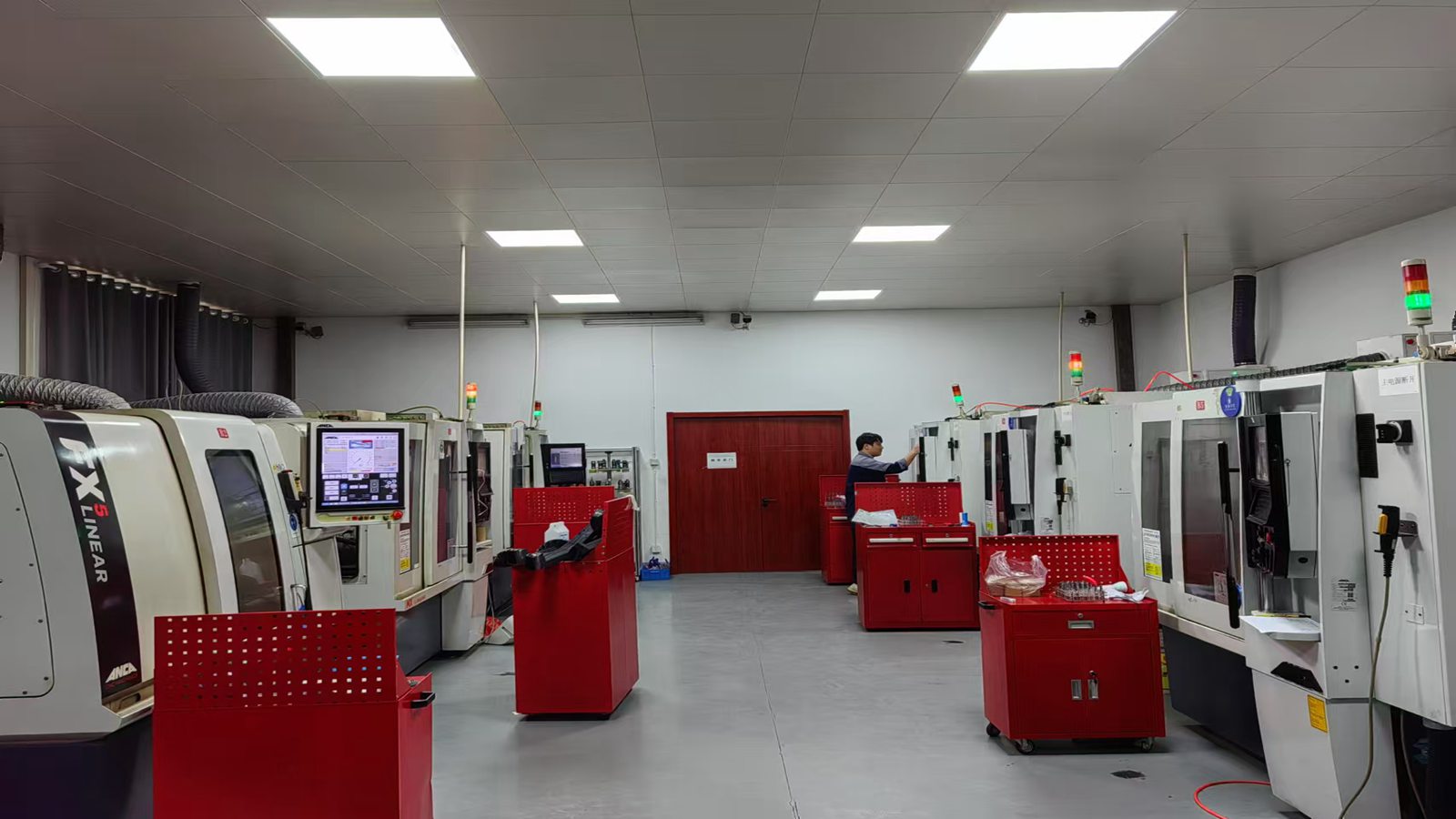
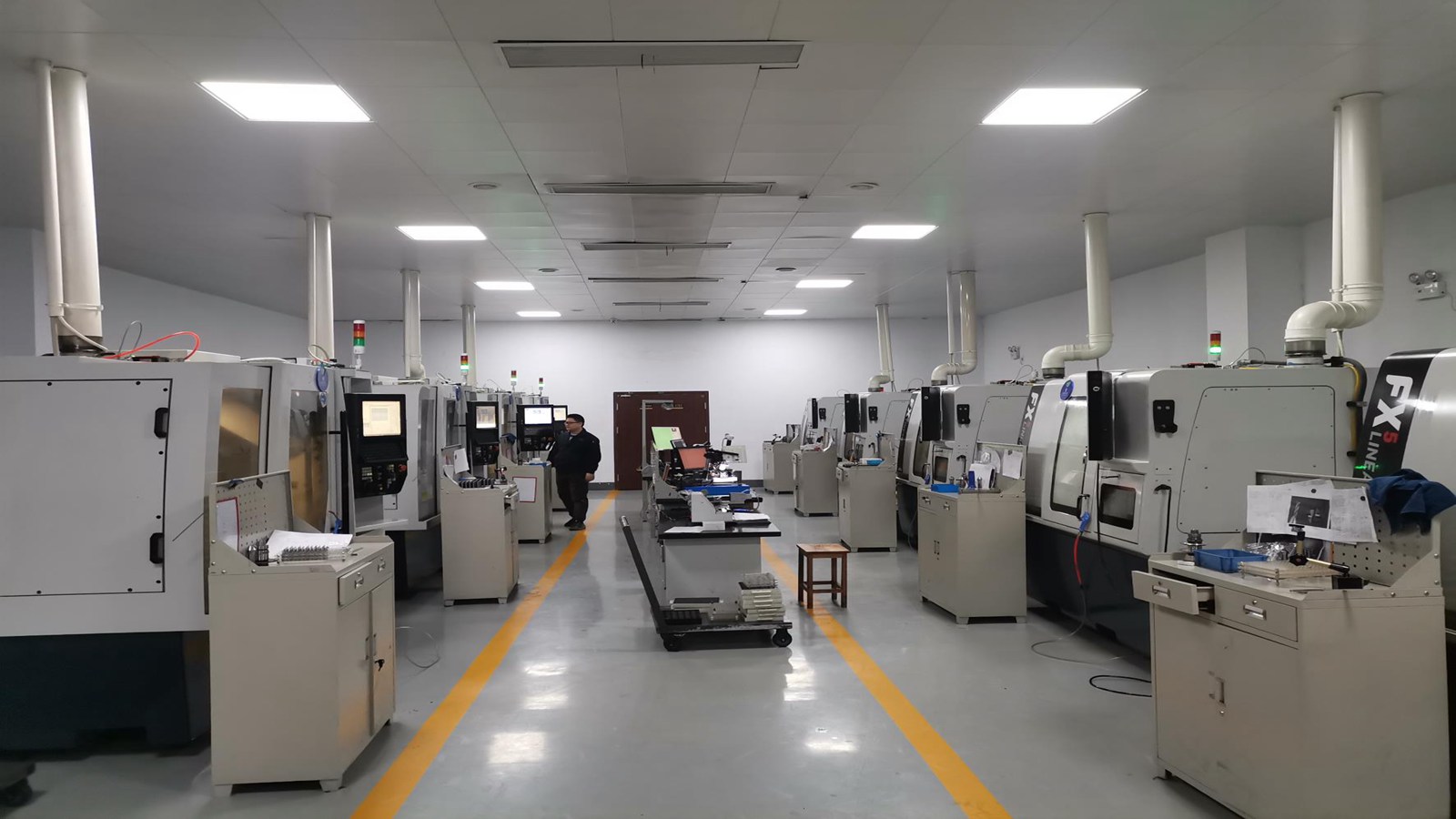
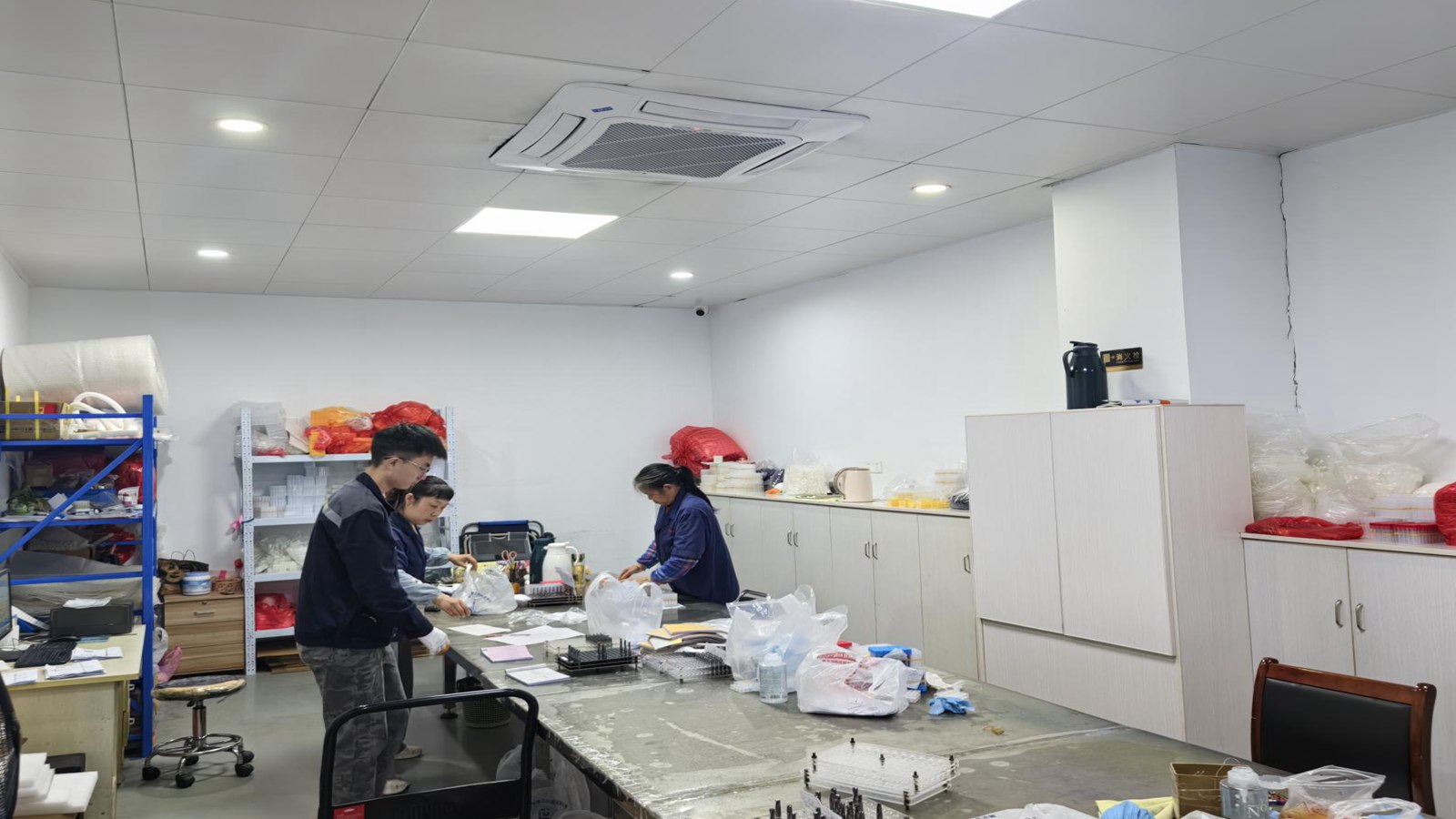
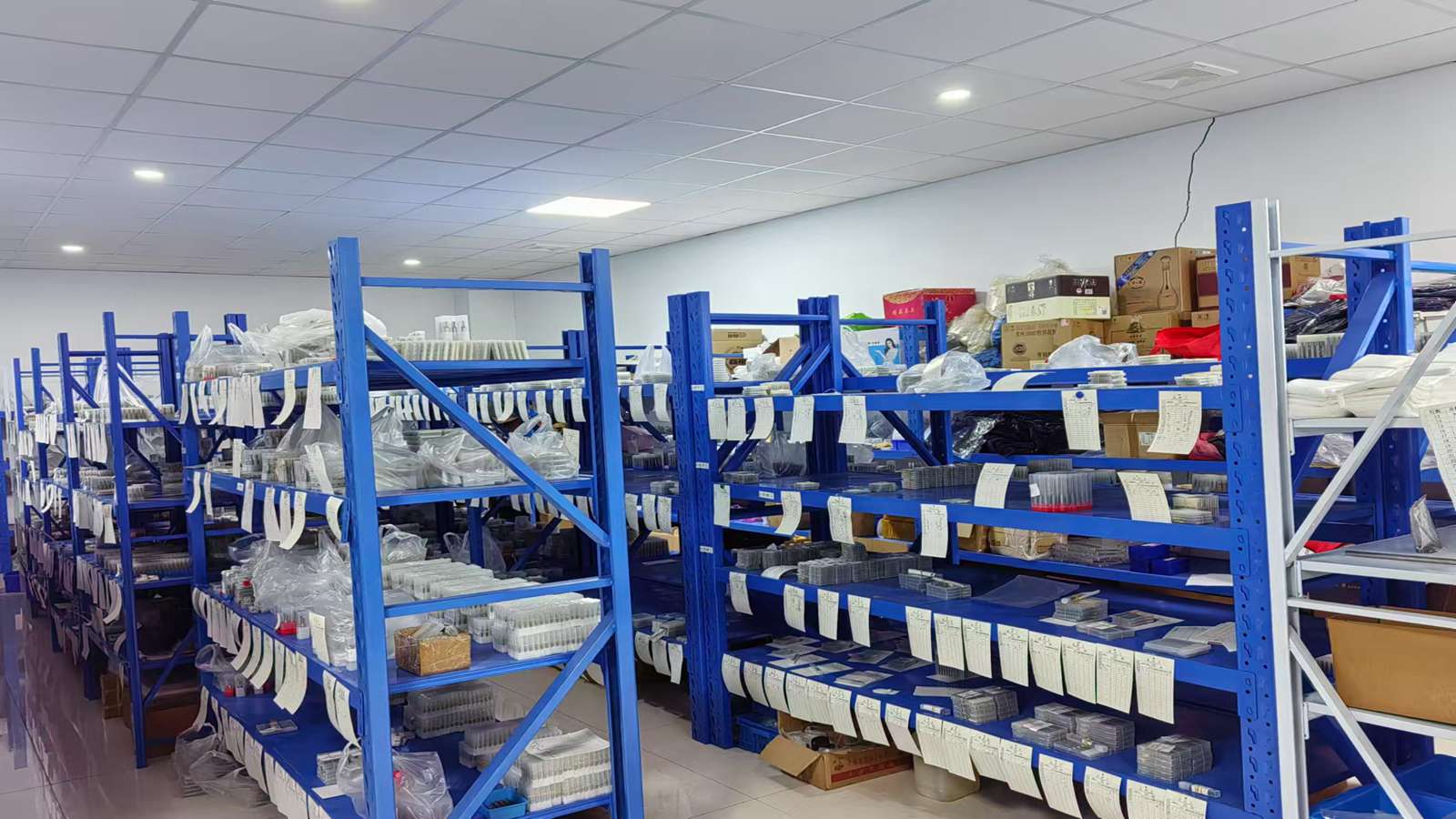
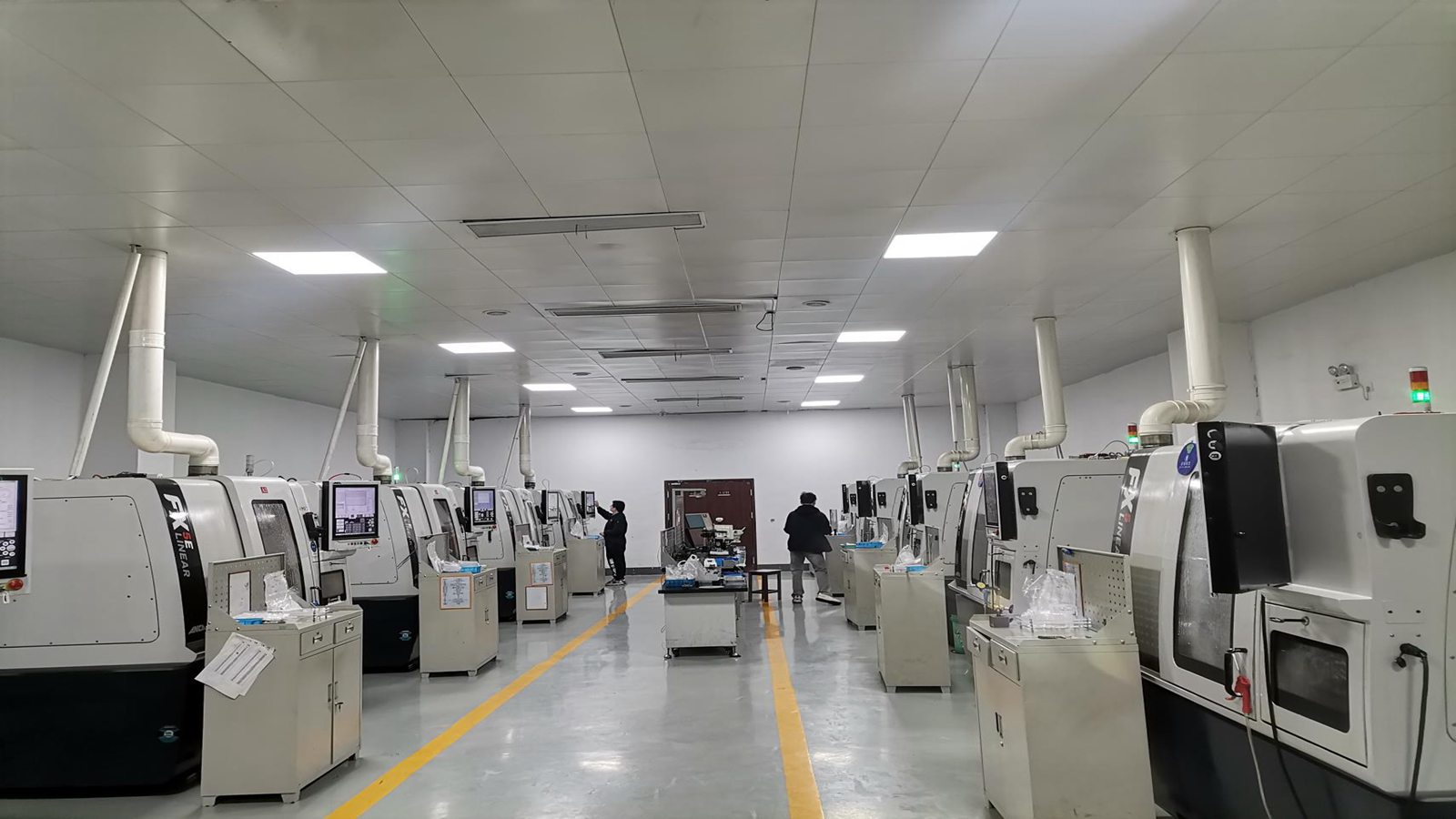
Take a virtual tour through our modernized workshops. Every workstation utilizes digital control and rigorous calibration to ensure zero-defect tooling exports.
In the rapidly advancing landscape of high-precision metalworking, the demands placed upon machining tolerance, repeatability, and surface finish quality have reached unprecedented heights. Industries such as automotive manufacturing, aerospace propulsion, energy generation, and medical tooling require internal cylindrical surfaces configured to micron-level accuracy. Achieving this standard reliably requires robust machine setups and highly adaptable tooling configurations. This is where modular boring systems have revolutionized modern manufacturing.
Historically, machine shops relied heavily on monoblock boring tools—single-piece tooling assemblies designed with specific lengths and fixed diameters. While structurally rigid, monoblock tools present significant limitations in versatility. Whenever a machine shop transitions from machining deep bores to shallow profiles, or switches machine spindle tapers (e.g., from BT40 to HSK63A), an entirely new set of monoblock tooling must be acquired. This setup results in high capital expenditures and bloated warehouse inventories.
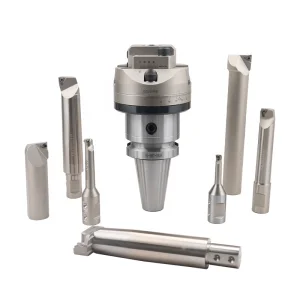
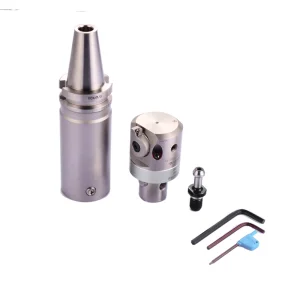
Modular boring systems, such as the CK connection format and the NBH/CBH assemblies featured in our catalog, bypass these limits. By splitting the tooling system into distinct functional segments—specifically, the machine spindle adapter shank, extension reduction sleeves, and the micro-adjustable boring head—machinists can easily rebuild configurations to suit different bore depths and diameters. This modular design helps manufacturers reduce tooling investment, speed up changeover times, and extend the lifespan of their CNC components.
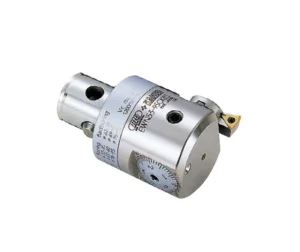
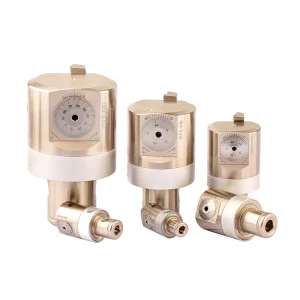
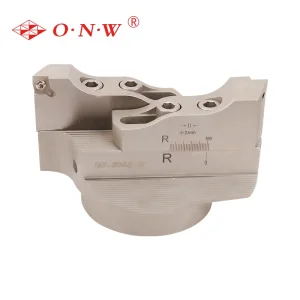
Modern precision engineering requires tool adjustments down to the sub-micron level. Advanced components, like the Precision Micro Boring Head Set NBH2084 and the BIG DAISHOWA CK Boring System EWN Boring Head, feature vernier and digital scales capable of radial adjustments of 0.002mm. This precision allows operators to compensate for insert wear without removing the boring bar from the spindle.
Furthermore, high-precision finish boring processes are sensitive to vibration. Centrifugal forces acting on an unbalanced boring head at high spindle speeds can cause chatter, tool wear, and out-of-round bores. Modern modular boring heads incorporate internal counterbalance mechanisms. These balance weights adjust in tandem with the slide position, ensuring that the tool's center of gravity remains aligned with the rotational axis. This minimizes dynamic runout and delivers a consistent, mirror-like surface finish.
Recent disruptions in the global industrial supply chain have driven international procurement managers to re-evaluate their sourcing strategies. Procurement models that rely on single-source, premium Western European or Japanese brands are increasingly vulnerable to logistics delays and price hikes. Consequently, global buyers are seeking manufacturing hubs capable of producing high-precision CNC tooling that meets strict international tolerances (ISO 9001) at competitive price points.
As a leading Chinese manufacturer, Shandong Ricon Tools Co., Ltd. addresses this demand by combining advanced technical production with efficient cost management. We invest in high-precision grinding facilities, vacuum heat-treatment furnaces, and multi-axis CNC machining centers. By managing our production from raw material selection through to final inspection, we offer global partners dependable tool holders, chucks, and boring heads that deliver high reliability and fast delivery times.
Different manufacturing sectors demand specific tooling profiles to ensure peak efficiency:
Discover the design features and materials that ensure our products perform reliably under heavy production conditions.
Constructed from premium alloy steel and hardened to HRC 58-62, our boring heads feature high tensile strength and minimal deflection under high speeds.
A built-in dial mechanism allows for precise, micro-metric radial adjustment, enabling operators to achieve close bore tolerances reliably.
Our tooling features standard CK and DIN modular interfaces, connecting smoothly with BT, HSK, CAT, and SK tool shanks.
Get expert answers to common technical queries regarding modular boring system selection and maintenance.
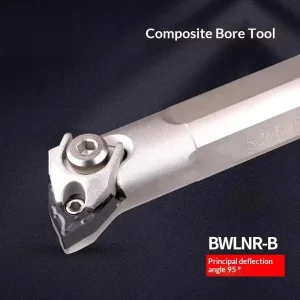
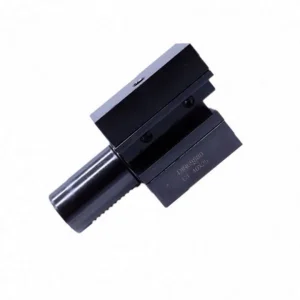
Browse our selection of heavy-duty lathe chucks, VDI tool holders, indexable boring bars, and precision accessories.