Ricon Tools
Ricon Tools
Ricon Tools
High-performance CNC mill components and specialized metalworking cutters
A deep analysis of modularity, mechanics, and precision interface standards
In modern high-speed metal cutting, selecting the optimal tooling architecture defines the boundary between marginal throughput and competitive manufacturing supremacy. Indexable end mills represent a watershed evolution from solid carbide tooling. By combining the elastic, damping properties of high-alloy tool steel bodies with the extreme hardness of engineered tungsten carbide inserts, indexable tooling offers a highly efficient manufacturing strategy for modern high-performance machining centers.
Understanding the micro-mechanics at the tool-workpiece interface is critical. In a solid carbide tool, the entire structure must withstand both the high-frequency shear stress of the cutting edge and the bending stress of the shank. This compromise limits tool body toughness. Indexable end mills resolve this conflict: the cutter body is optimized for fatigue resistance and structural dampening, while the interchangeable insert focuses solely on hot hardness, abrasion resistance, and chip formation. This dynamic division of labor reduces cost-per-edge by up to 70% in high-volume roughing operations.
| Feature Parameter | Indexable End Mills (Modular) | Solid Carbide End Mills | Impact on Production Line |
|---|---|---|---|
| Initial Tooling Cost | Moderate to High (Cutter Body investment) | Lower (Single component purchase) | Indexable reduces long-term operational expenditures. |
| Cost Per Cutting Edge | Extremely Low (Only insert is replaced) | High (Whole tool must be reground/replaced) | Drastically lowers cost-per-part in serial manufacturing. |
| Rigidity & Runout Limit | Good (≤ 0.01mm pocket variance) | Superior (≤ 0.002mm tool system runout) | Solid tools excel in micro-finishing; Indexables dominate roughing. |
| Versatility Index | Excellent (Swap inserts for different alloys) | Fixed (Optimized for one material type) | Reduces tooling inventory for mixed-material job shops. |
Tailored geometry, shank modifications, and specialized alloy matching
Integration across various spindle platforms including BT (MAS403), HSK (DIN 69893), CAT (ANSI B5.50), and straight cylindrical shanks with Weldon flats for side-lock systems.
Pocket geometry customization optimized for standard insert configurations (APKT, APMT, SEKT, LNMU) and tailored radial/axial rake angles for target materials.
Combining rough face milling, chamfering, and step-down shoulders into a single, high-efficiency custom indexable tool body to minimize cycle times.
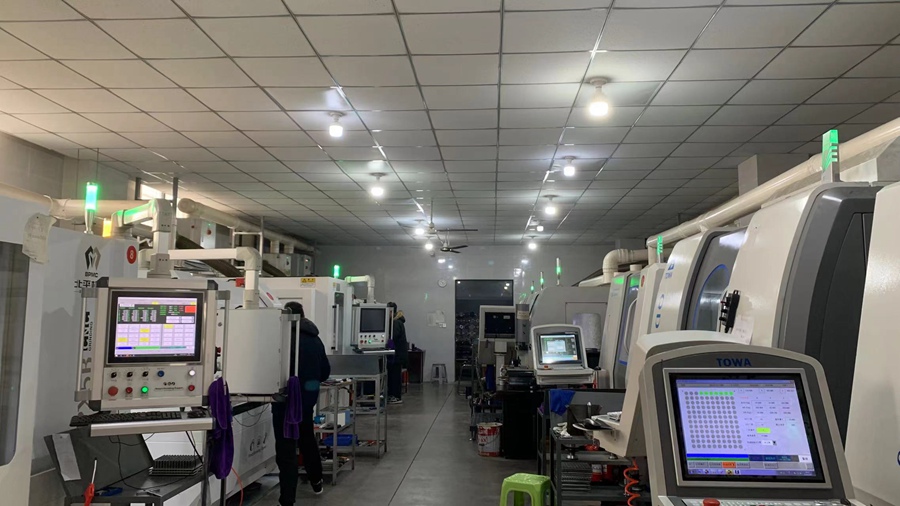
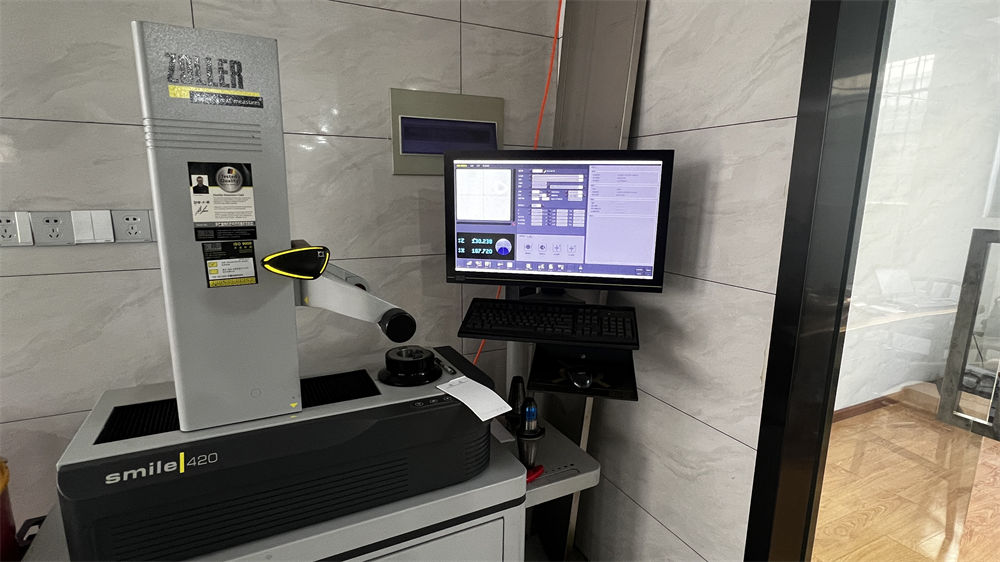
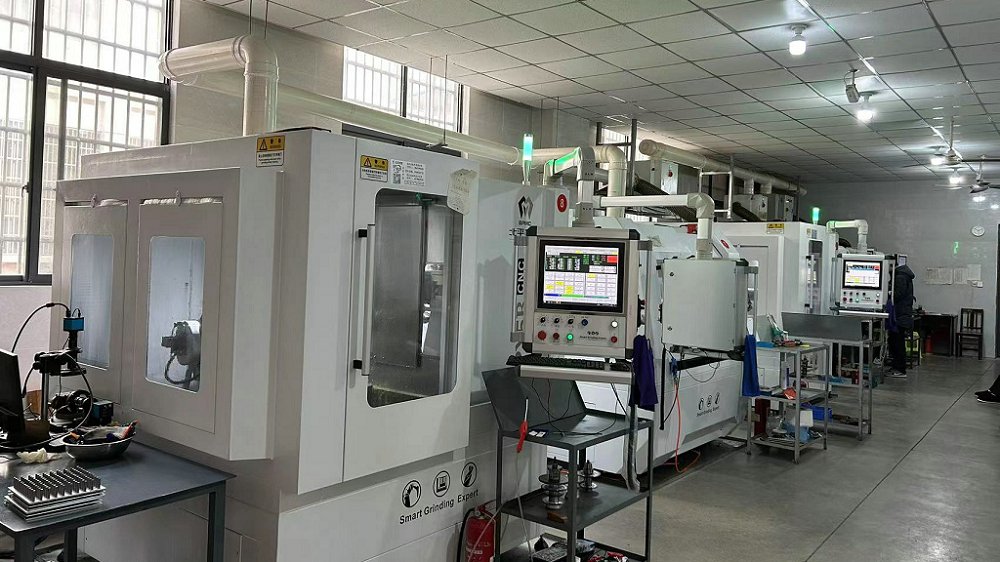
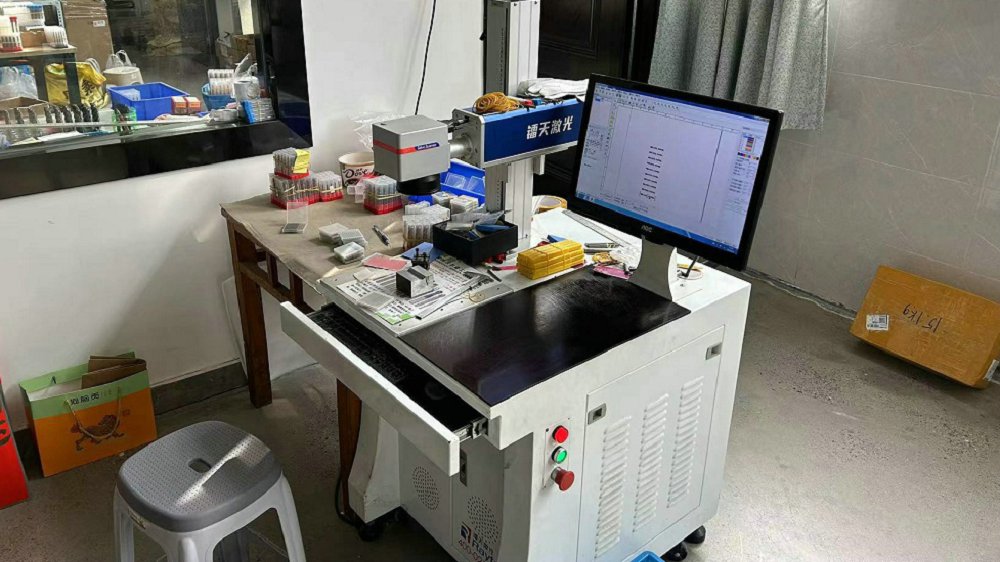
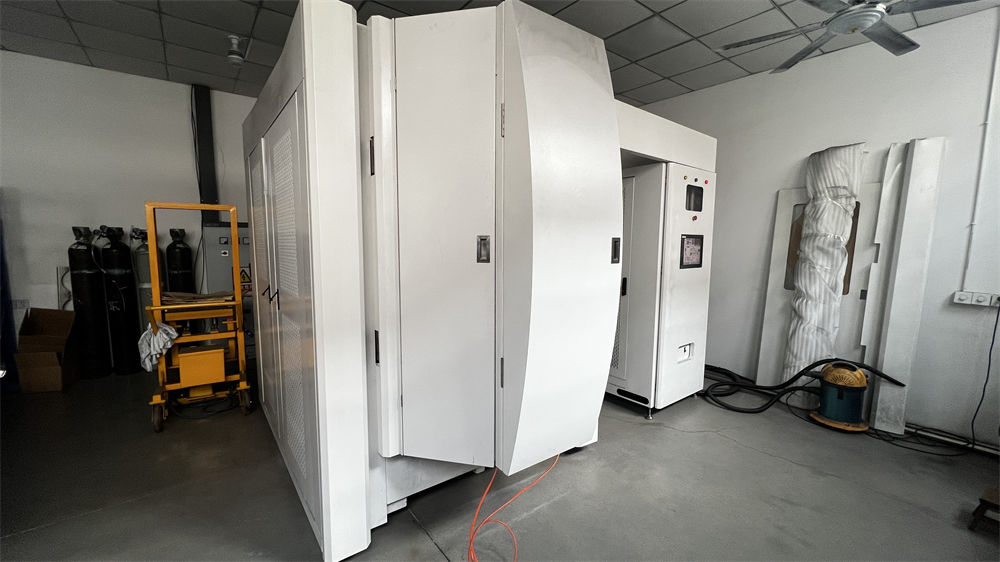
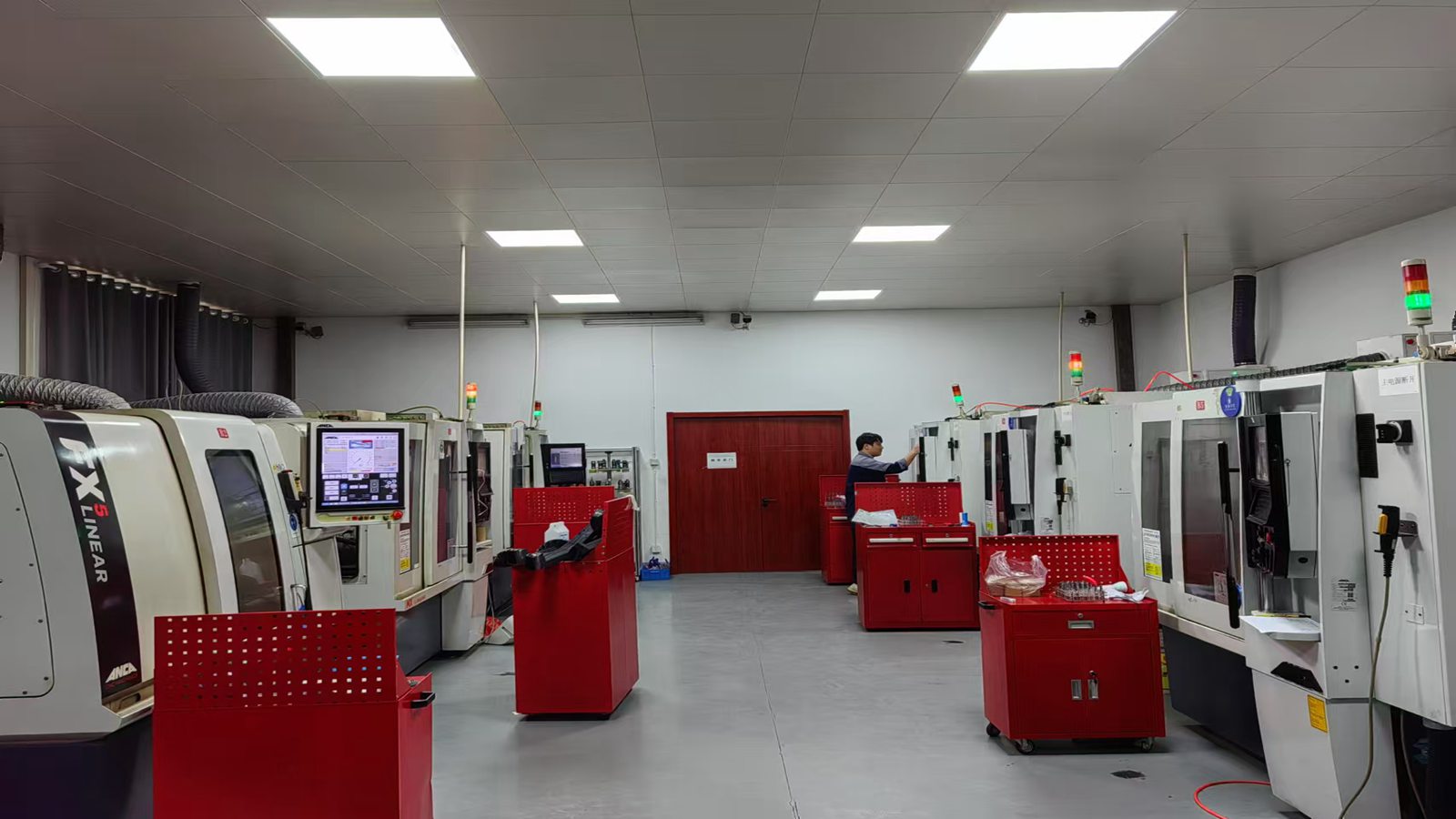
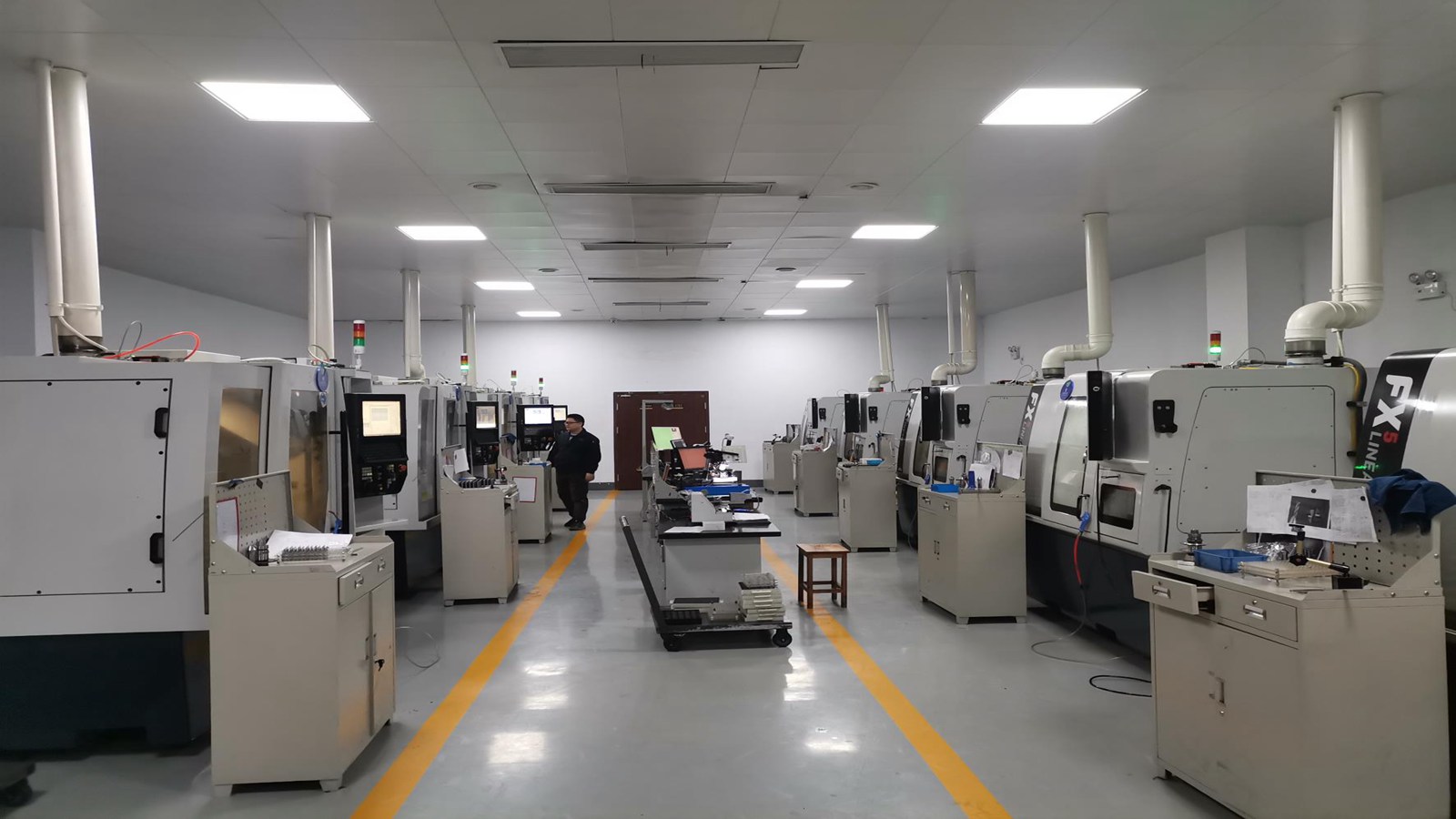
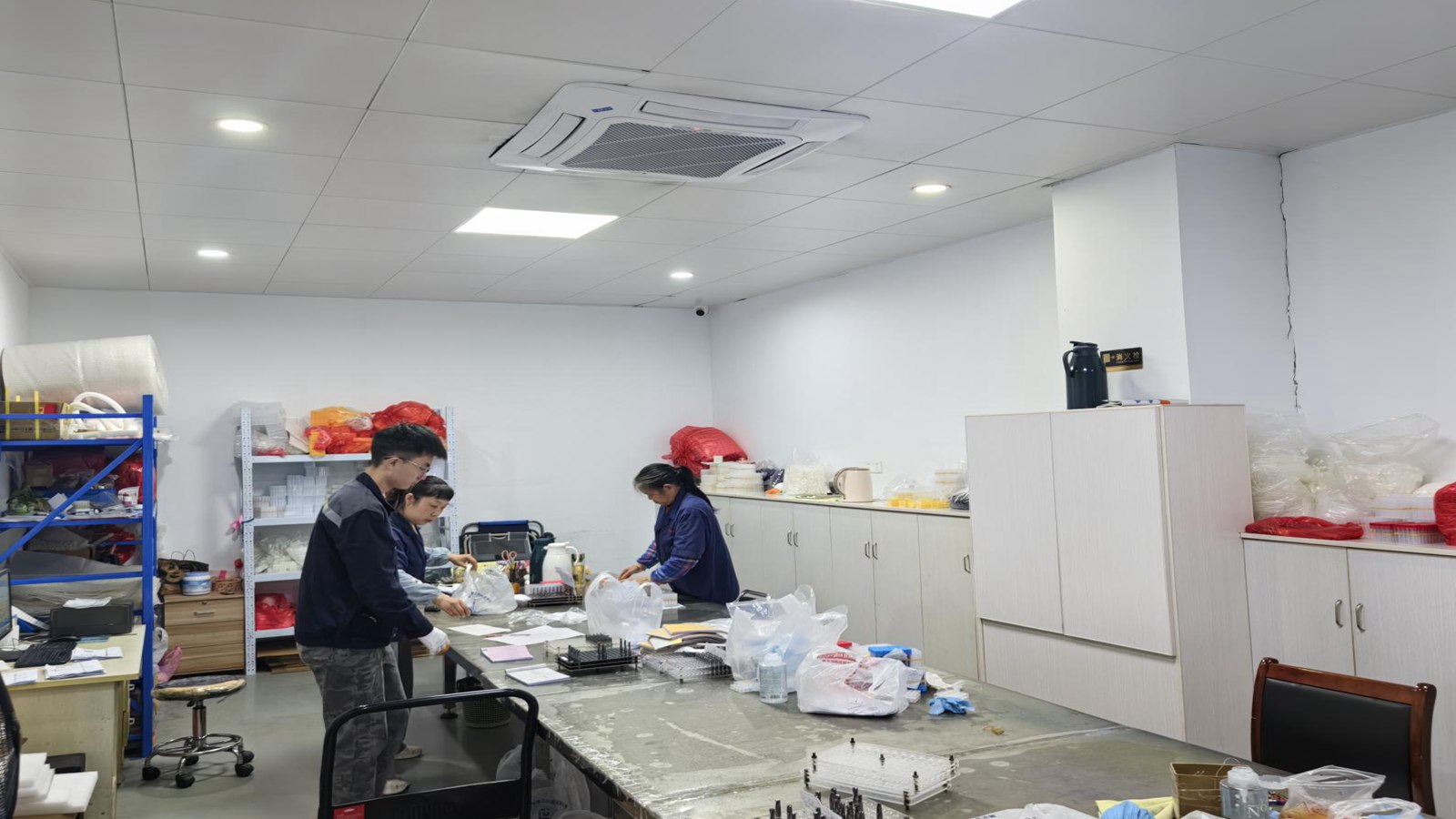
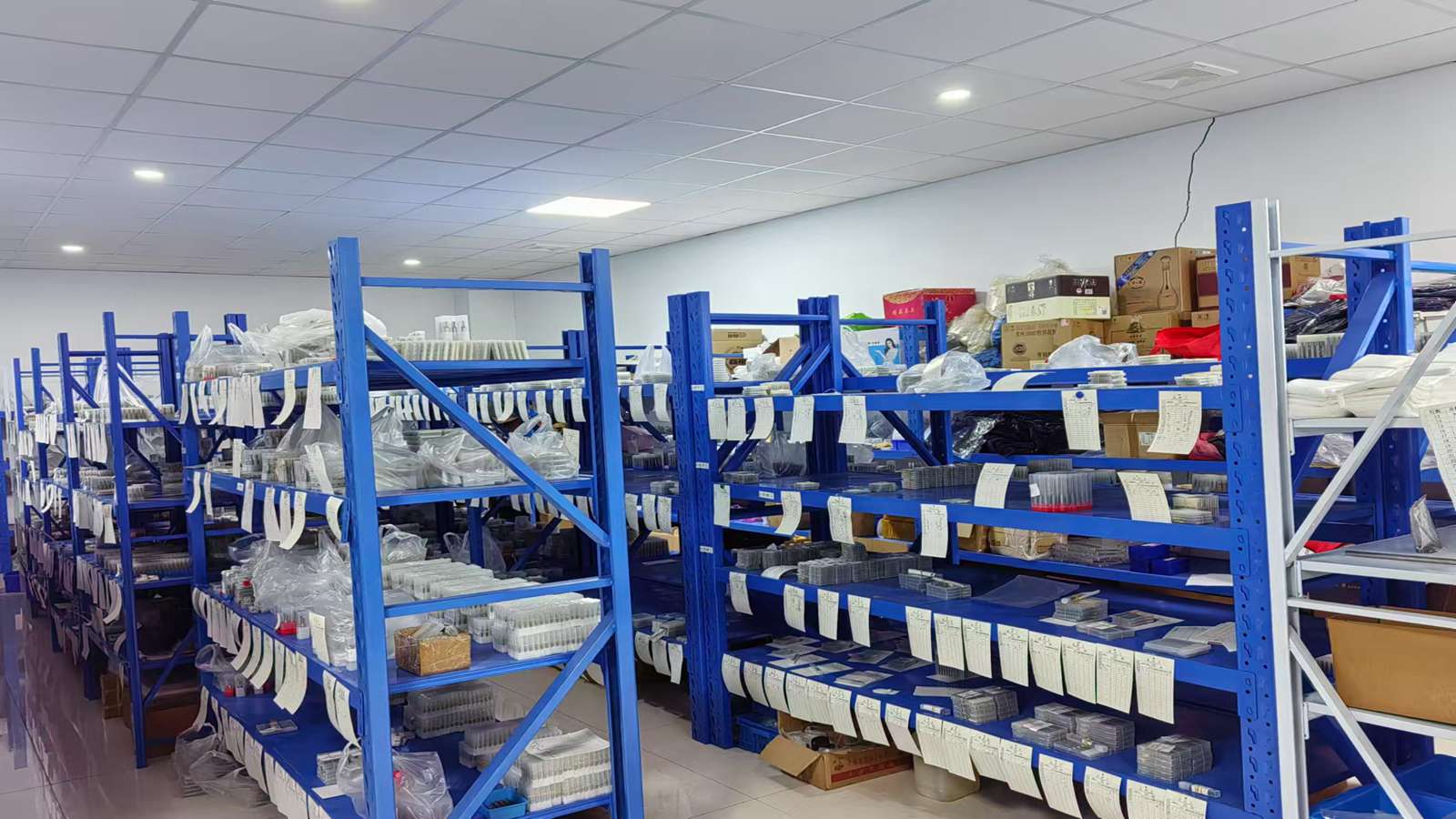
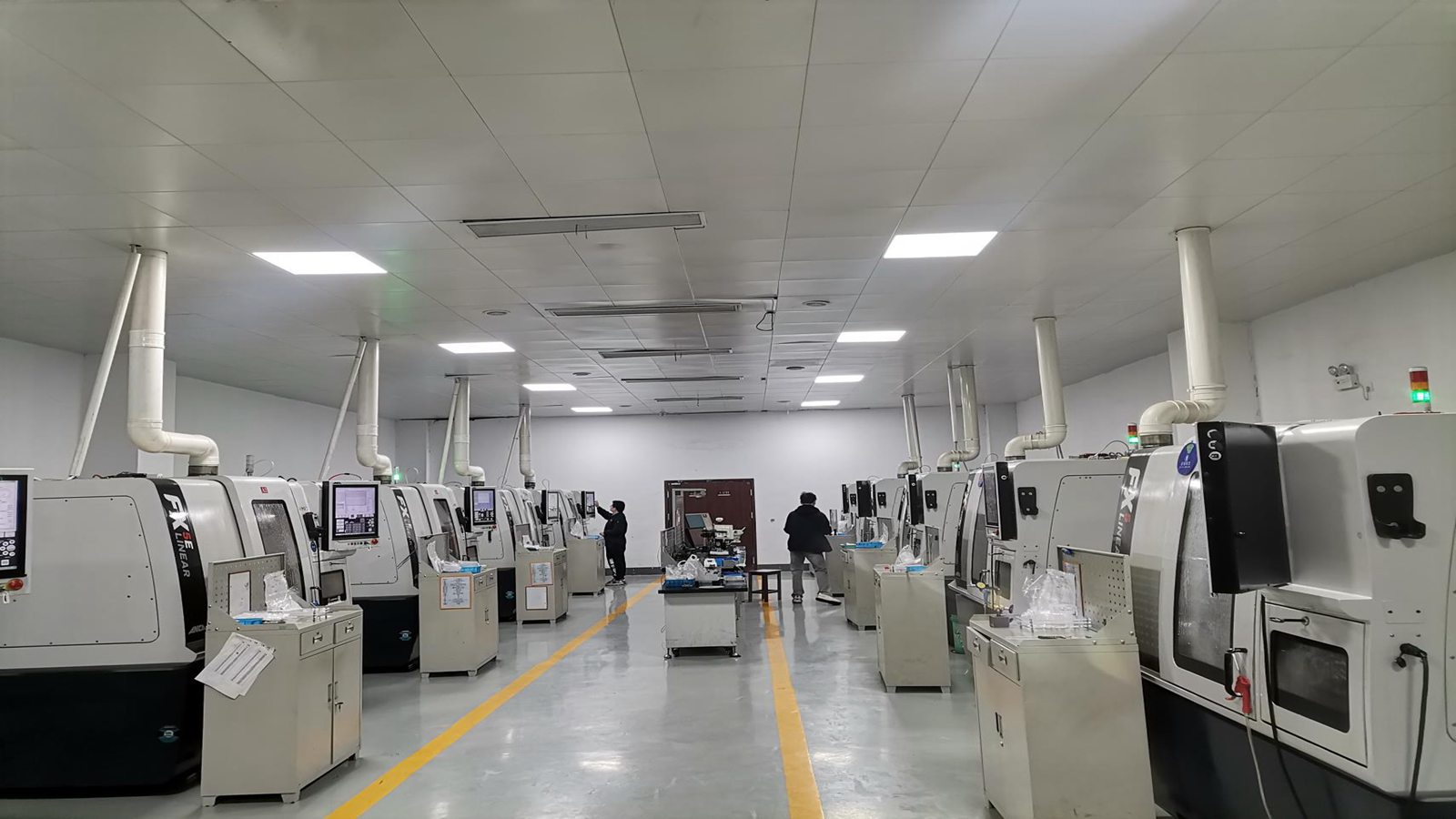
Inside Shandong Ricon Tools Co., Ltd.'s precision production facilities
Shandong Ricon Tools Co., Ltd. is a professional manufacturer specializing in the research, development, production, and sales of precision machine tool accessories. Since its establishment, Ricon Tools has been committed to providing high-quality tooling solutions for the global metalworking and woodworking industries.
Our facility houses high-precision CNC machining centers, specialized coating systems, and strict metrology equipment to maintain consistent manufacturing standards across our full product range.
Analyzing cost-to-performance efficiency in China's advanced tooling corridors
Sourcing indexable tooling from Chinese manufacturing hubs like Shandong offers significant cost-to-performance advantages. Over the past two decades, these regions have integrated raw material suppliers, CNC grinding mills, vacuum furnace heat treatment plants, and PVD coating centers into concentrated industrial zones. This close physical proximity minimizes supply chain delays and logistical overhead.
By purchasing from a factory with direct control over production—from raw alloy sourcing to final dynamic balancing—global buyers avoid intermediary markups. Ricon Tools maintains consistent standards by utilizing advanced multi-axis grinding centers, high-temperature coating technologies, and coordinate measuring machines (CMM) to verify pocket geometries down to the micron level before distribution.
Optimized machining configurations across specialized sectors
Machining titanium alloys (Ti-6Al-4V) and nickel-based superalloys (Inconel 718) requires rigid cutter bodies to minimize vibrations that can lead to work-hardening. Ricon’s custom thick-core indexable designs help absorb these forces, extending insert tool life.
High-volume machining of grey cast iron engine blocks and aluminum cylinder heads demands long-lasting tooling configurations. Our multi-pocket face mills are designed to maintain high material removal rates (MRR) during continuous operation.
Finishing hardened tool steels (H13, D2, P20) requires high spindle speeds and modular extension cutters. Ricon’s indexable ball nose end mills and modular screw-on heads provide clearance in deep cavities while minimizing deflection.
Expert answers on selection, setup, and performance optimization
High-tolerance adapter systems, radial power tools, and specialized washers