Ricon Tools
Ricon Tools
Ricon Tools
Explore our elite selection of CNC machining accessories, heavy-duty lathe chucks, and industrial components engineered for zero-tolerance performance.
An analytical exploration of material science, dynamic balancing, and supply chain strategies in modern milling applications.
In modern subtractive manufacturing, the interface between the machine tool spindle and the cutting assembly represents the single most critical point of stress, vibration transfer, and mechanical concentricity. As high-speed machining (HSM) and high-feed milling (HFM) continue to push the physical limits of metal cutting, the demand for high-reliability tool holding assemblies has reached unprecedented levels. This whitepaper analyzes the engineering design, metallurgical structure, manufacturing processes, and strategic global procurement paradigms surrounding high-precision Face Mill Holders.
Shandong Ricon Tools Co., Ltd. stands at the forefront of this industrial sector as an established, professional manufacturer specializing in the research, development, production, and worldwide exportation of precision machine tool accessories. Since its foundation, Ricon Tools has been committed to providing high-quality tooling solutions for the global metalworking and woodworking industries. Our comprehensive product portfolio includes a wide range of precision machine tool accessories, such as 4-jaw woodworking chucks, American quick-change tool holders, VDI tool holders, boring heads, ER collet chucks, milling chucks, drill chucks, tool holders, CNC tooling accessories, and other precision machining components. Our products are widely used in CNC machining centers, lathes, milling machines, woodworking machinery, and various industrial manufacturing applications.
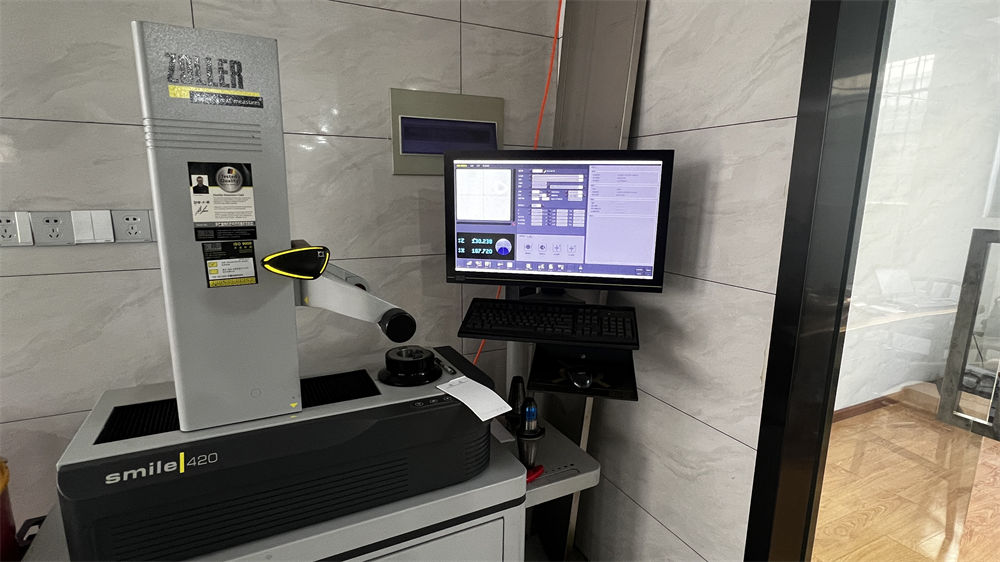
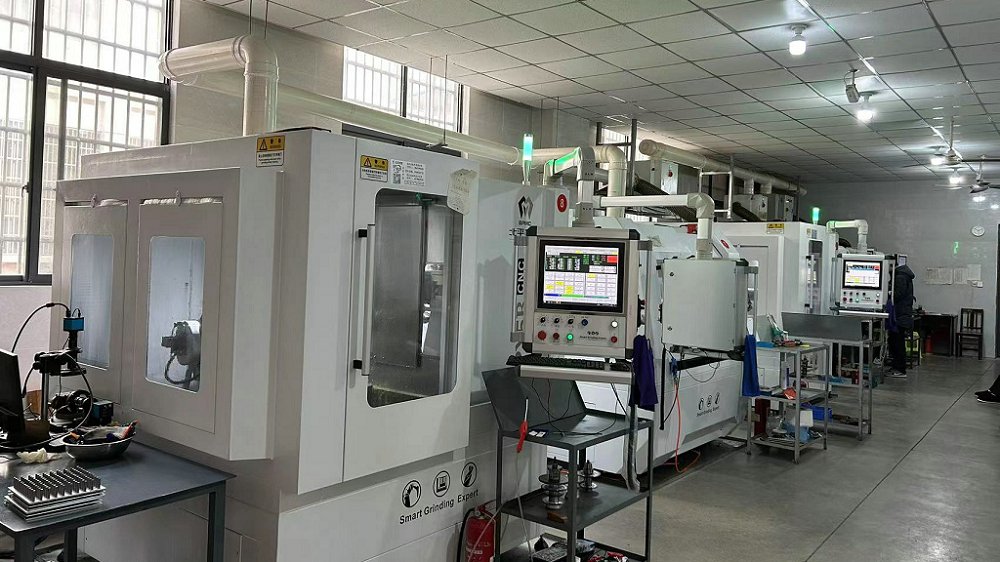
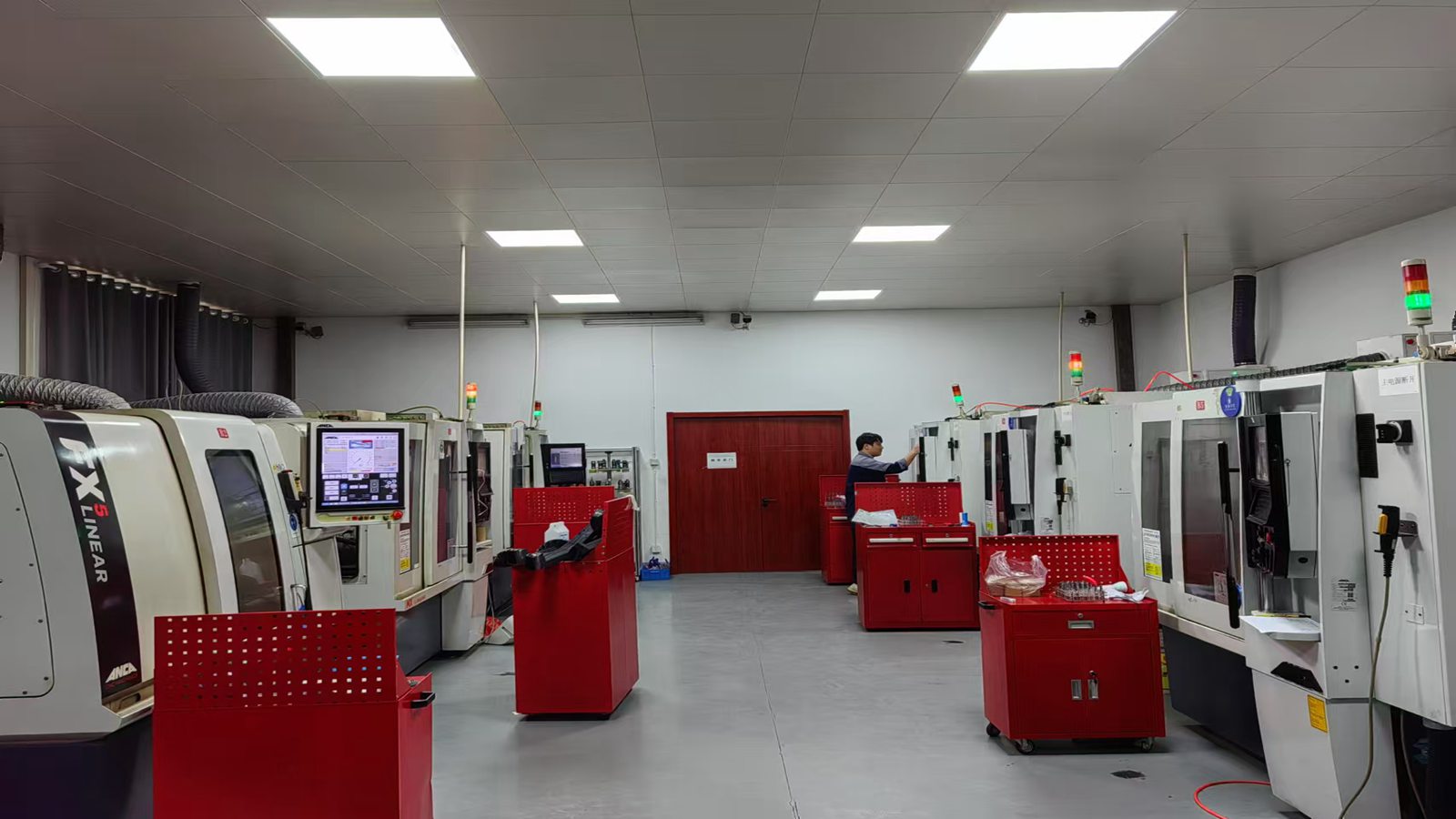
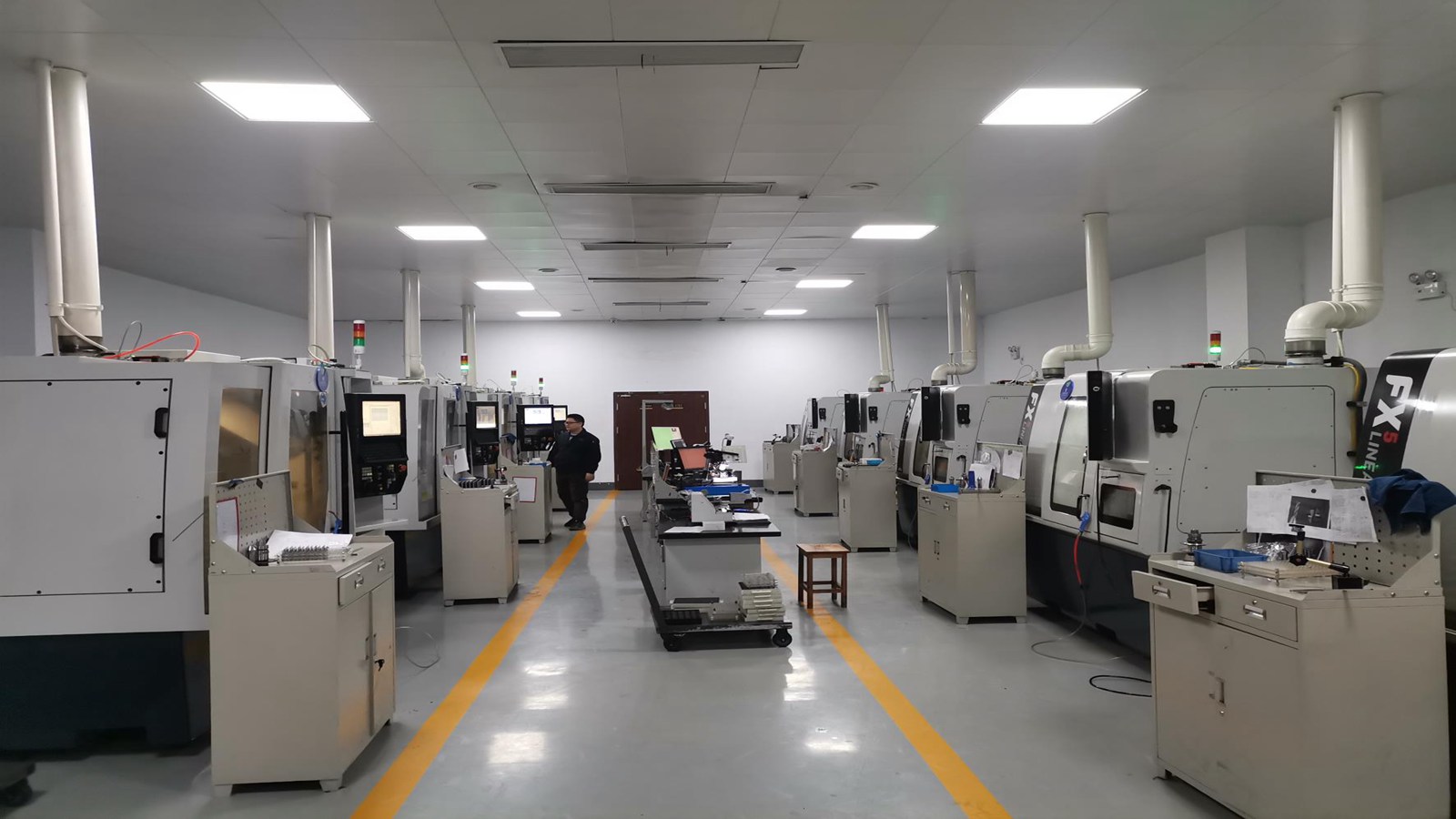
Investment in advanced international CNC machining centers, precise grinding machinery, and ultra-precise inspection systems ensures consistency in every batch of face mill arbors.
Exporting to more than 30 countries across the USA, Germany, Italy, Russia, and Australia, backed by structured logistical pipelines and localized customs clearance compliance.
Adherence to zero-defect quality management. Comprehensive testing of surface finish roughness, carburized hardness depth, and high-speed dynamic balancing.
Face milling is characterized by heavy interrupted cuts and high radial cutting forces. To withstand these operational stresses without yielding to deflection or vibration, a face mill holder must exhibit exceptional rigidity, shock absorption, and geometric accuracy.
Material Composition & Heat Treatment: The foundation of premium face mill holders lies in the alloy steel selected. At Shandong Ricon Tools, we utilize premium 20CrMnTi alloy steel. This grade of steel undergoes carbon-nitrogen co-carburizing and quenching processes. The resulting component features a surface hardness of HRC 58-62 and a core toughness exceeding HRC 35. The carburized depth is strictly maintained between 0.8mm and 1.2mm, striking a optimal balance between wear resistance and fracture toughness. This prevents cracking at the drive keys under sudden torque surges.
Geometric Tolerances & Taper Contact: The connection between the holder and the spindle taper is defined by the AT3 class taper precision standard. A taper contact area of >85% is critical; anything less leads to micro-movement, fretting corrosion, and degradation of spindle taper accuracy. Our manufacturing line uses high-precision German grinding systems to control run-out tolerance to ≤ 0.003 mm at the arbor interface, minimizing tool tip run-out (T.I.R) and extending indexable carbide insert life by up to 40%.
Industrial manufacturing processes place varying demands on tooling interfaces. A standardized holder setup is rarely sufficient for high-stress applications:
The global industrial procurement landscape requires more than just manufacturing capability; it demands end-to-end supply chain visibility and adaptability. Shandong Ricon Tools operates an integrated Factory 4.0 model in our production facilities. By pairing CNC automated manufacturing lines with real-time inspection, we ensure quality control and production consistency.
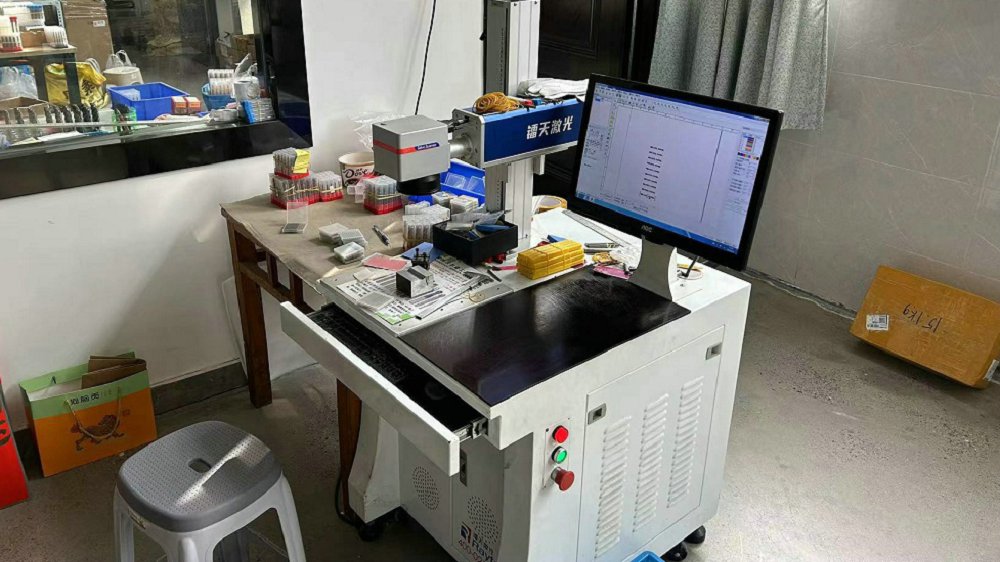
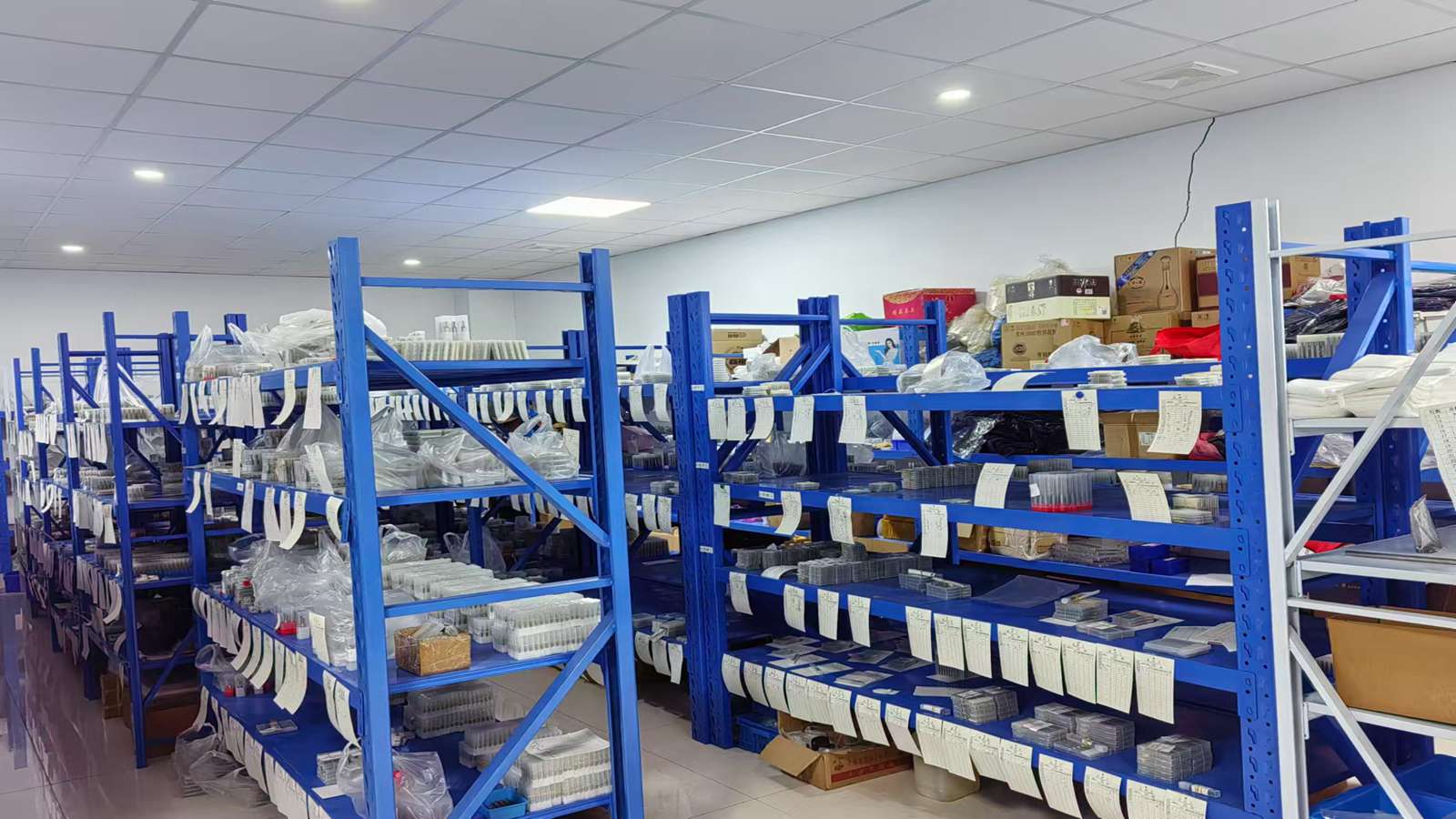
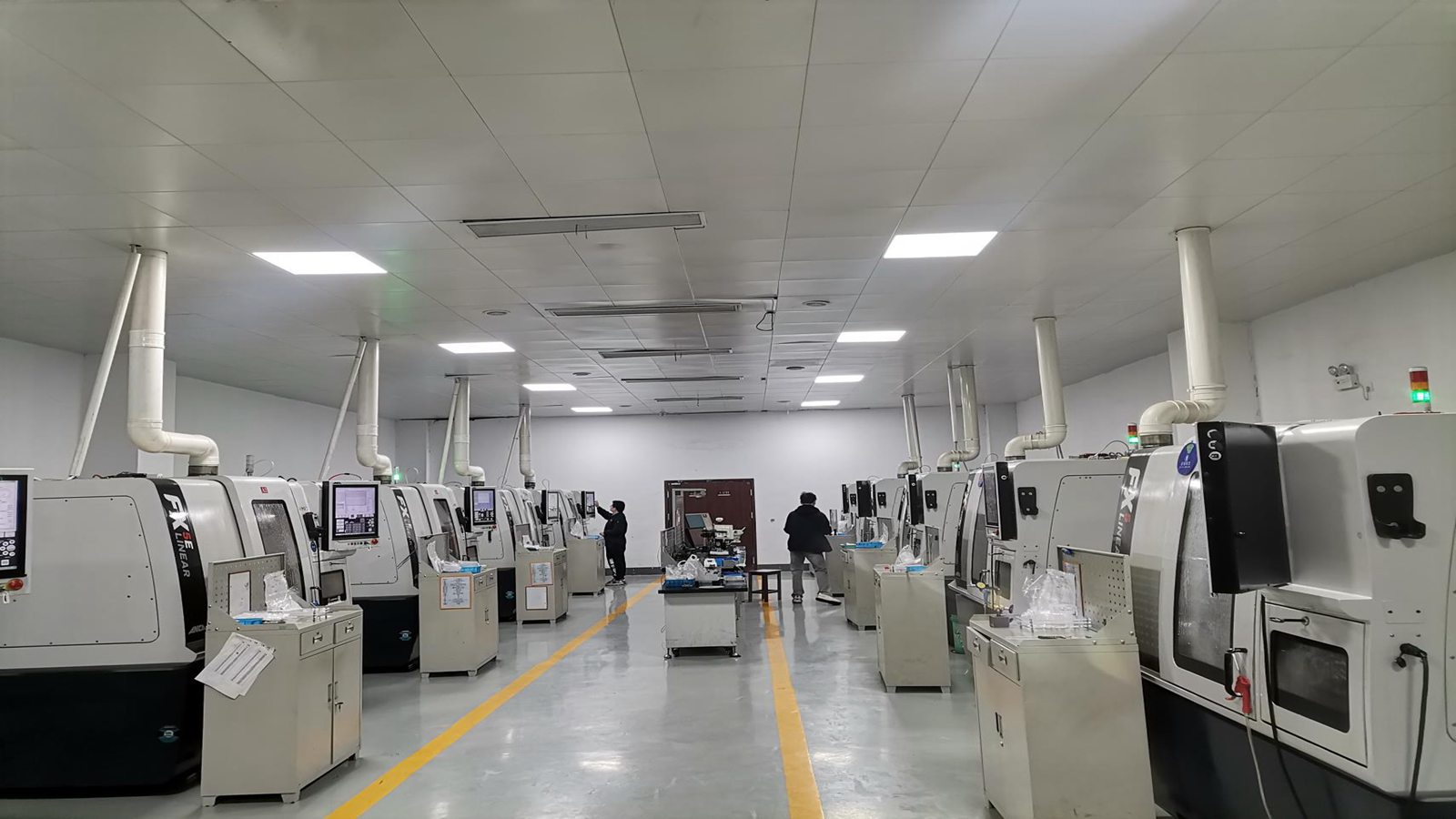
Our automated production facilities include multi-axis CNC milling centers, robotic load/unload systems for high-speed grinding, and laser marking stations. We track raw steel batches through to finished heat treatment. By keeping core processing steps in-house—including precision grinding, black-oxide surface treatments, and laser marking—we mitigate the supply chain delays typical of fragmented manufacturing setups. This allows us to keep standard inventory ready for immediate shipment, shortening lead times for global distributors and OEMs.
As industrial manufacturing transitions toward autonomous, data-driven environments, tool holding devices must evolve from simple mechanical connectors into data-transmitting components:
When purchasing face mill holders globally, engineering departments must align with regional standards. We engineer and export tooling systems compliant with all major international frameworks:
Furthermore, Shandong Ricon Tools offers OEM and ODM services. Whether you require custom pilot lengths for deep-cavity aerospace milling, non-standard coolant paths, or customized private-label brand packaging, our engineering department provides rapid CAD drafting, FEA (Finite Element Analysis) stress simulations, and physical prototyping services.
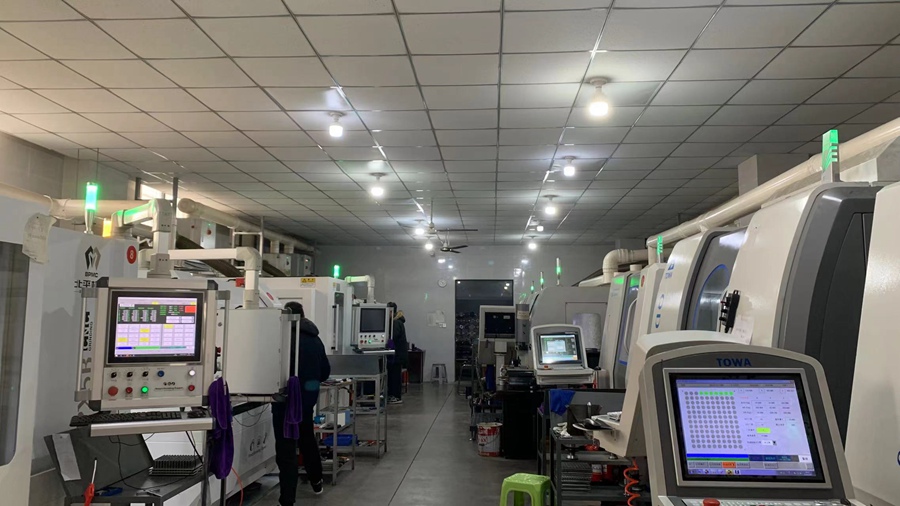
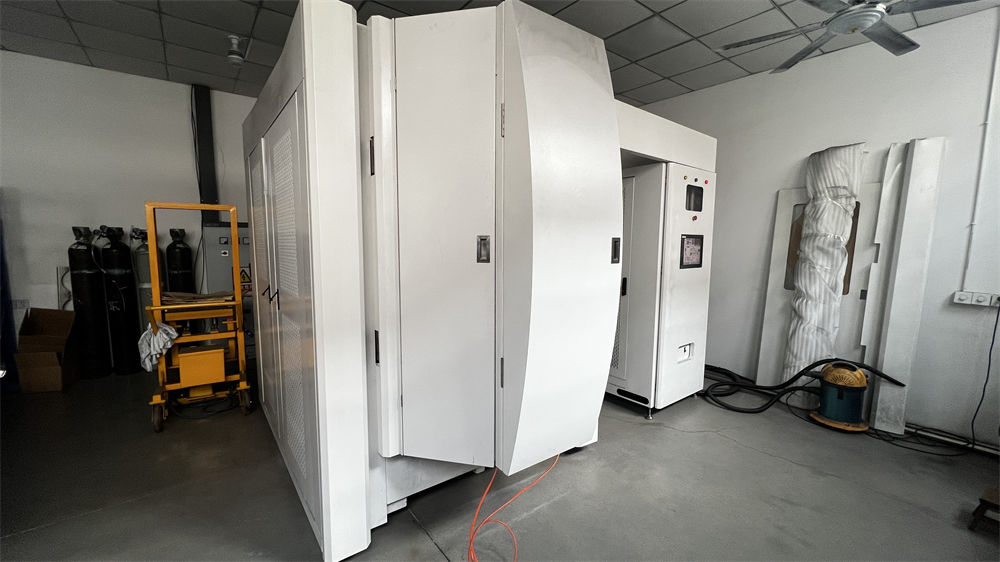
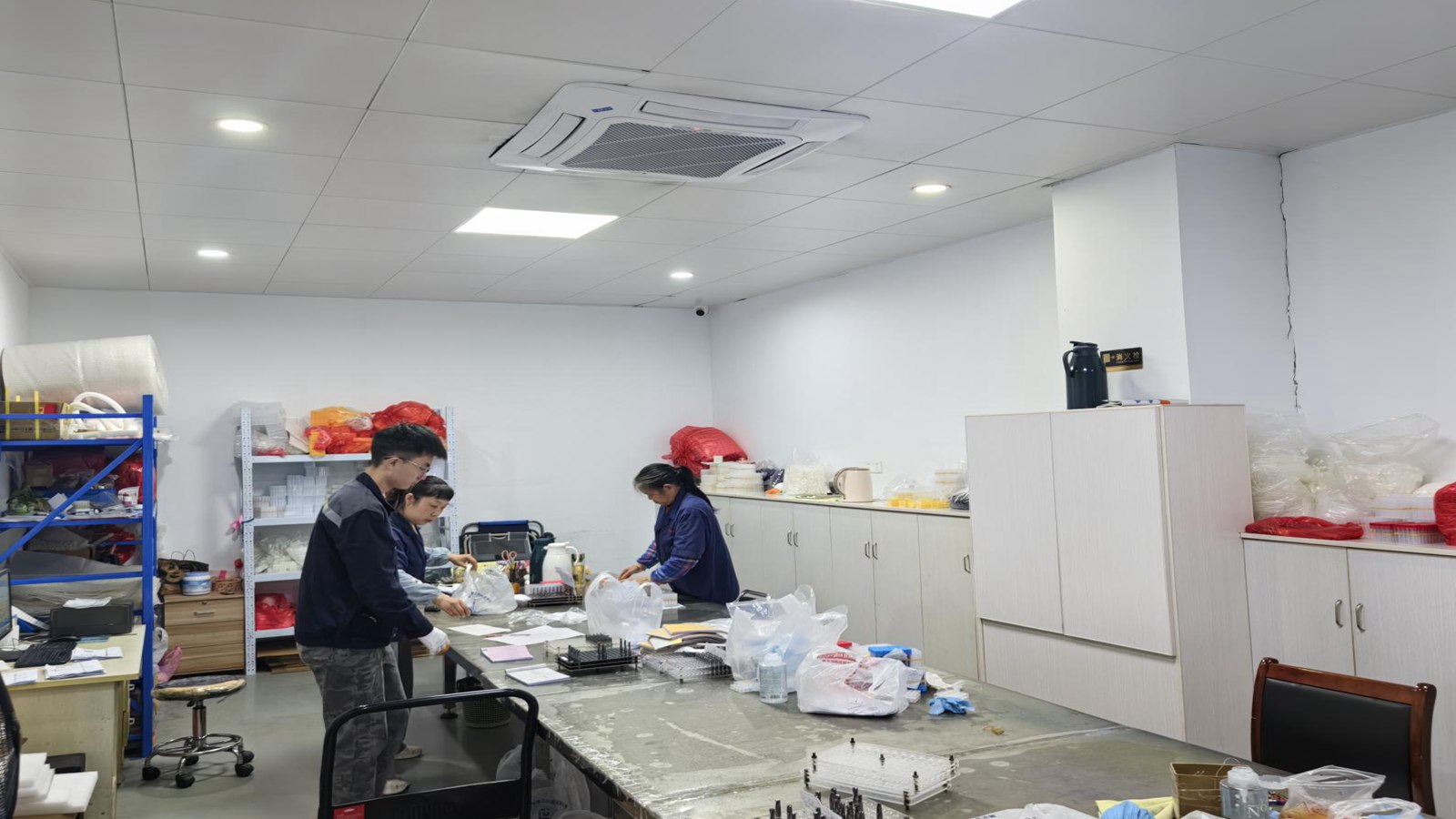
A inside look at Shandong Ricon Tools' advanced manufacturing workshop, where precision machinery meets rigorous quality control.
Technical answers directly from our quality assurance team and metalworking application engineers.
Browse our broader inventory of high-performance micro-adjustable boring heads, radial tool holders, and modular chuck accessories.