Ricon Tools
Ricon Tools
Ricon Tools
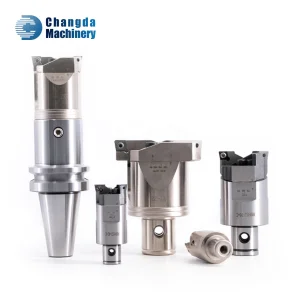
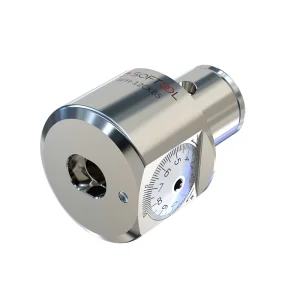
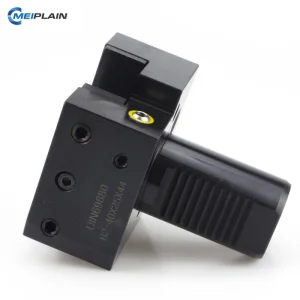
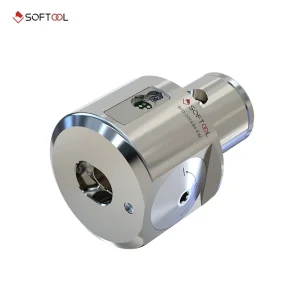
A technical whitepaper analyzing the mechanical interface stability, actuation reliability, and safety of modern quick-change manufacturing assemblies.
In modern high-speed CNC manufacturing, aerospace component machining, and structural woodworking, the performance of physical clamp locking devices is critical. Standard quick-release setups and mechanical latch systems are designed to provide rapid manual or automated locking and unlocking with minimal torque degradation over thousands of operating cycles. The physics of these assemblies rely on optimized mechanical leverage, wedge geometry, and precise surface friction interfaces to withstand extreme vibration forces without self-loosening.
For industrial operators looking to reduce machine setup times, a latch release system must offer both reliable retention forces and quick actuation. By decoupling physical retention from permanent thread engagement, these devices allow operators to securely clamp heavy tool components, change turret attachments in seconds, and maintain concentricity in high-RPM operations.
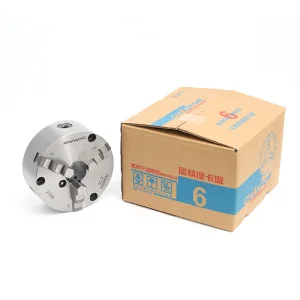
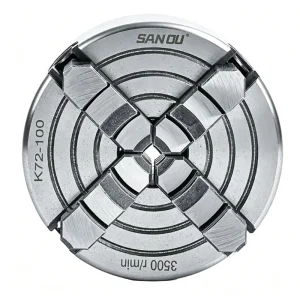
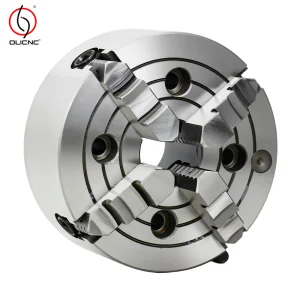
Lathe chucks (both 3-jaw self-centering and 4-jaw independent types) are fundamental to radial clamping stability. During heavy roughing operations, centripetal forces act counter to the static gripping force of the chuck jaws. A well-engineered independent chuck distributes jaw pressure uniformly to minimize workpiece distortion while sustaining deep cuts.
High-grade independent chucks, such as the K72 series, use hardened steel internal screw pins that act as positive-locking structural latches, preventing jaw slippage. This configuration ensures consistent concentricity when machining irregular castings or performing precision boring tasks with heavy tooling setups.
Countries Supplied
Boring Accuracy Reachable
Quality Inspected
Compliant Production
How materials optimization and advanced thermal treatment prevent fatigue wear, rust, and catastrophic clamp failure under heavy cyclic loads.
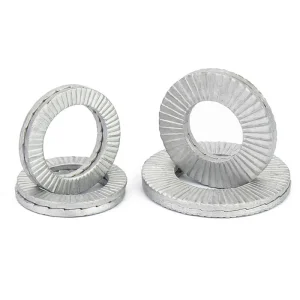
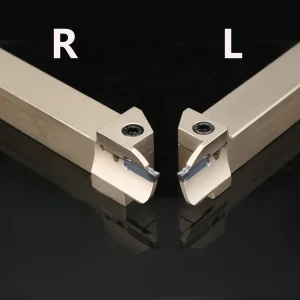
The reliability of a grooving tool holder or a wedge locking washer is directly linked to the metallurgy of the raw materials used. Ricon Tools utilizes premium spring steel (60Si2Mn) and hardened structural tool steel to maximize elastic limits and fatigue life. This high-silicon manganese steel offers excellent yield strength, ensuring that tools can deflect under load without suffering permanent deformation.
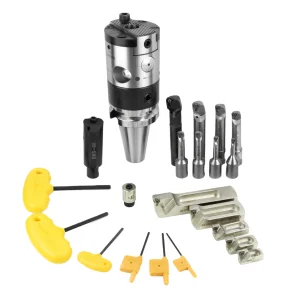
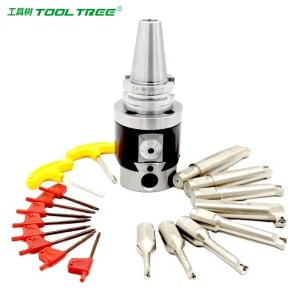
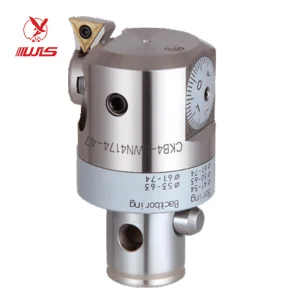
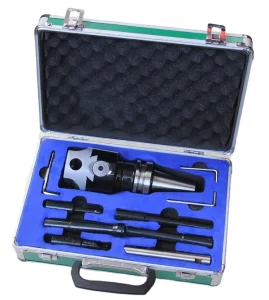
For fine micro-boring sets (such as the HBOR and NBH series), body stiffness is maintained through proprietary thermal quenching techniques. High rigidity minimizes tool deflection during long-reach deep cylinder machining, maintaining micro-level dimensions over long production runs.
Clamping chucks, tool holders, and quick-latch assemblies operate in harsh environments filled with abrasive chips, high-pressure synthetic coolants, and ambient humidity. To prevent corrosive oxidation and surface galling, all critical contact points undergo specialized surface treatments. This includes black oxide chemical conversion, hard chrome plating, or physical vapor deposition (PVD) coating depending on the tooling application.
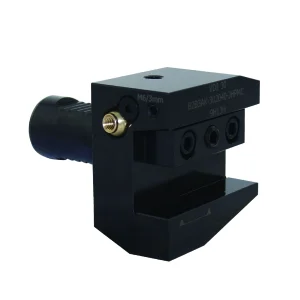
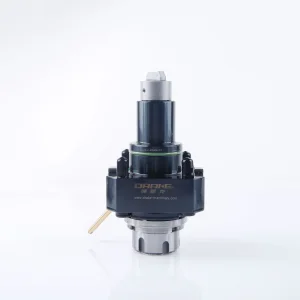
In modern multi-axis CNC lathe turrets, the connection between the machine block and the tool holder is a critical point for mechanical stability. VDI (Verein Deutscher Ingenieure) radial holders and BMT (Base Mount Tooling) tool systems rely on a secure wedge-lock or latch mechanism to maintain stability during operation. The VDI shank features a precision serrated rack that meshes with a locking clamp within the turret. This design allows operators to quickly swap tool assemblies while maintaining precise radial and axial positioning.
By standardizing on tight dimensional tolerances (often within 0.005mm limit controls), these interfaces prevent micro-shifting during heavy turning and drilling tasks. This directly improves surface finish quality and extends the service life of indexable carbide inserts.
Providing high-precision solutions designed for modern heavy manufacturing plants worldwide.
HBOR and NBH boring series support 0.002mm fine adjustments, enabling exact diameter control on CNC lathe components.
Wedge locking structures prevent self-loosening, even in demanding heavy-duty cutting operations and wood boring applications.
Standardized tool holder designs matching BMT, VDI, BT40, and BT50 spindle receivers for fast CNC machine integration.
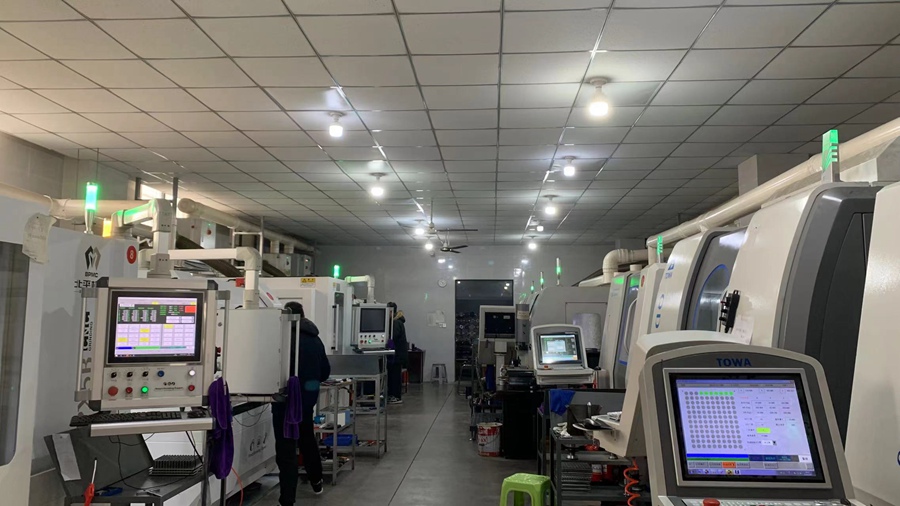
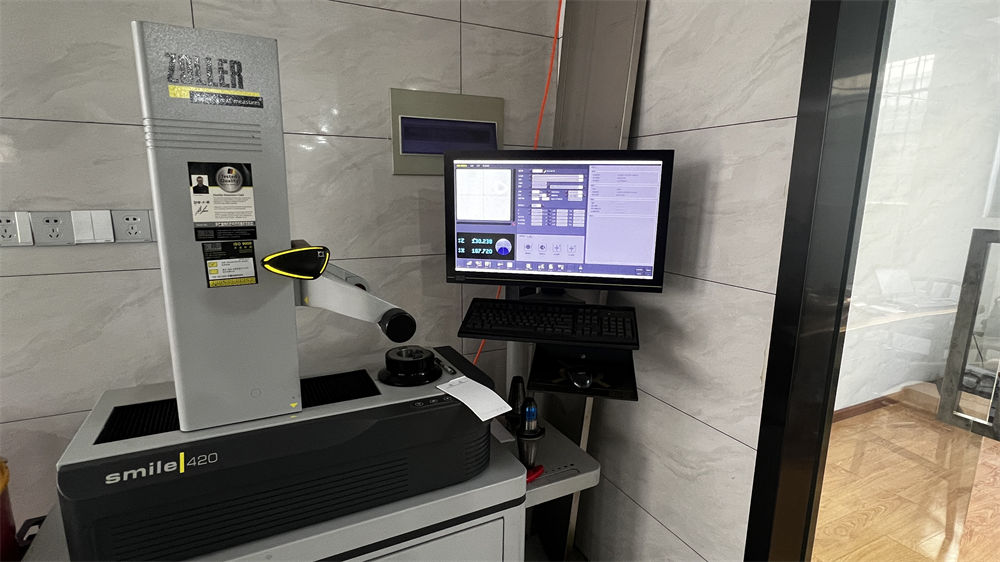
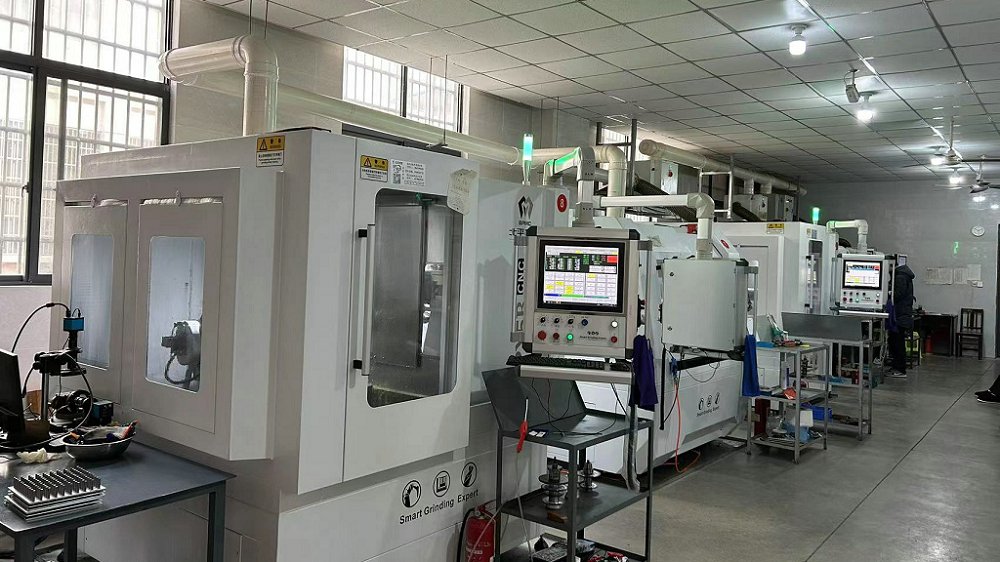
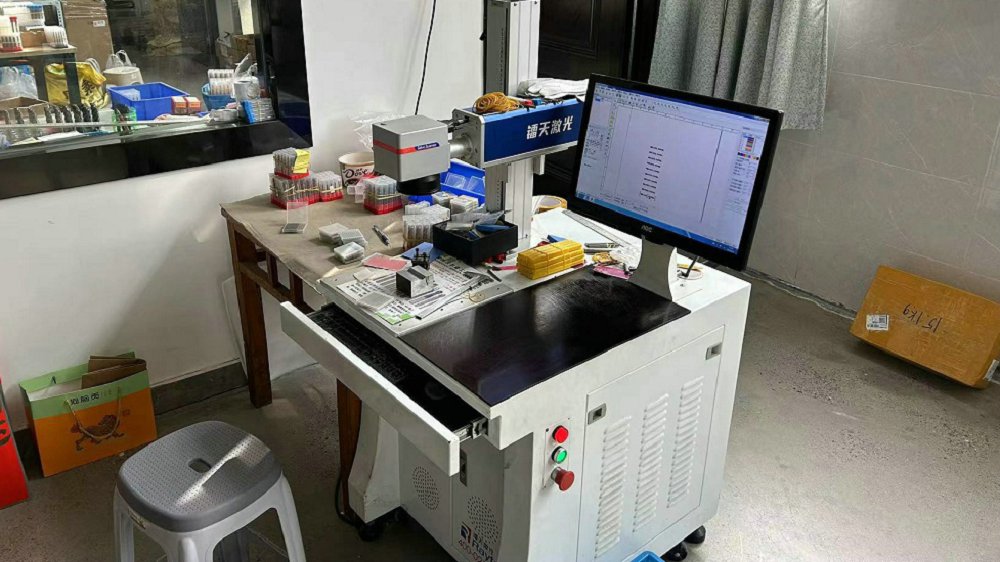
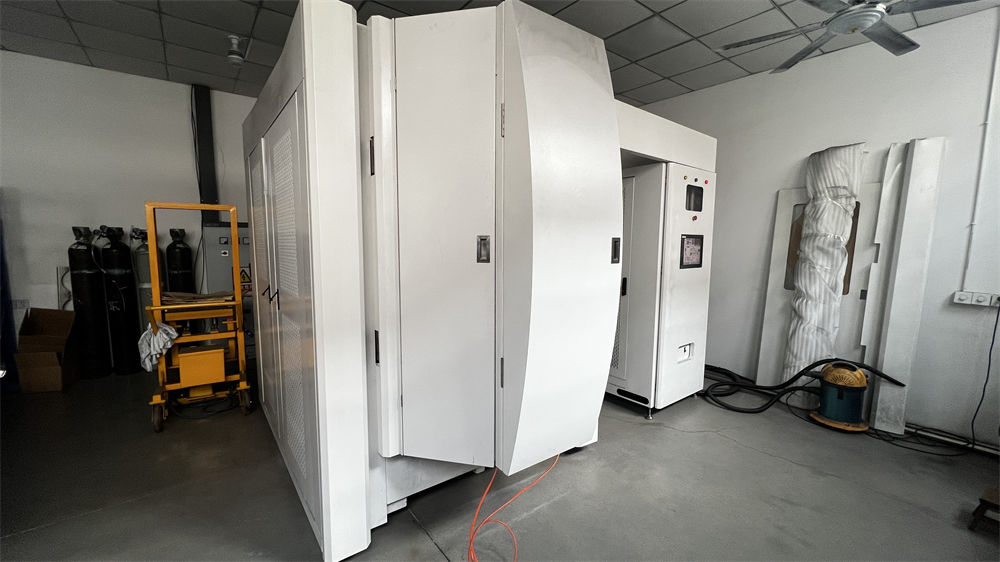
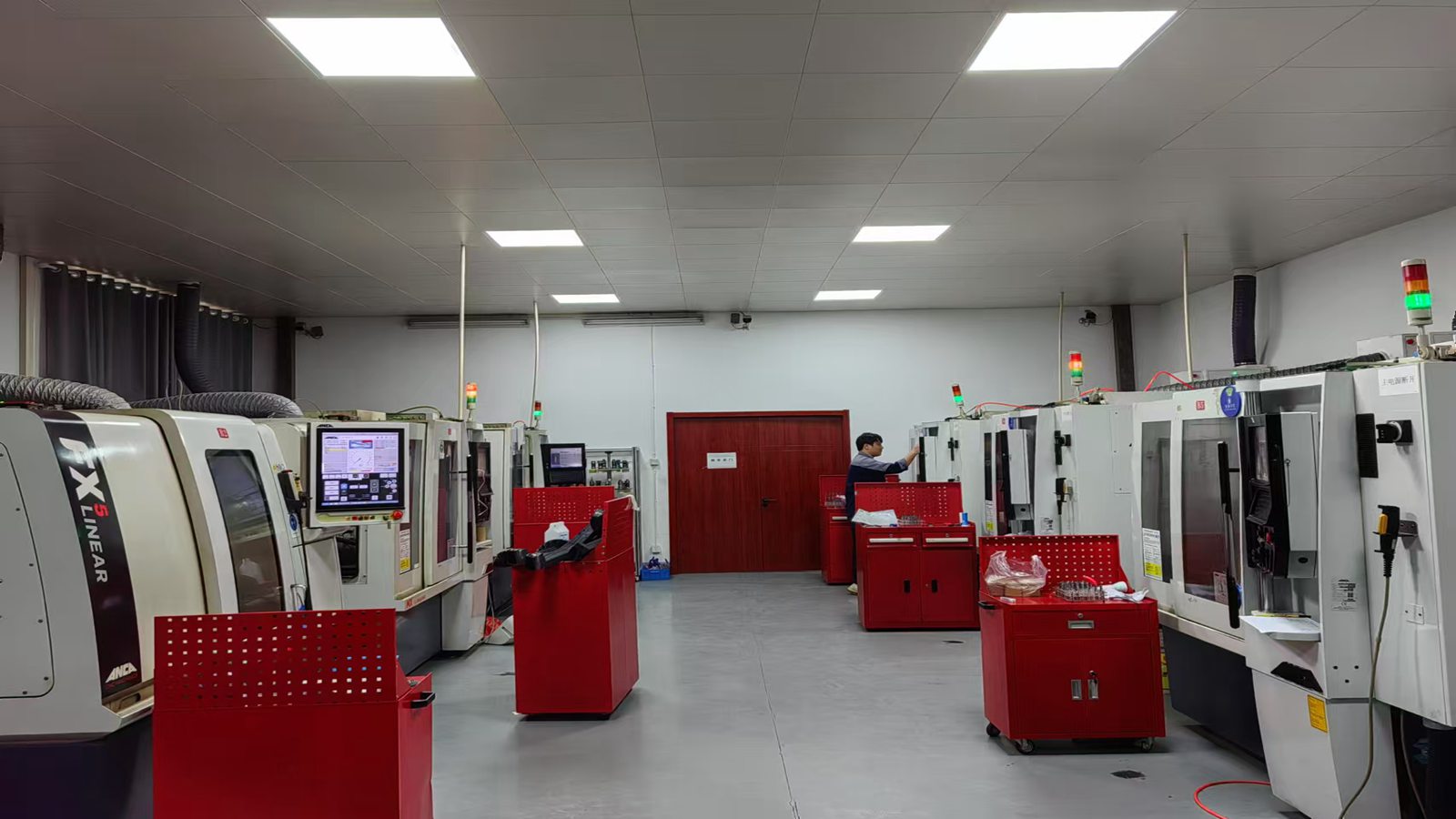
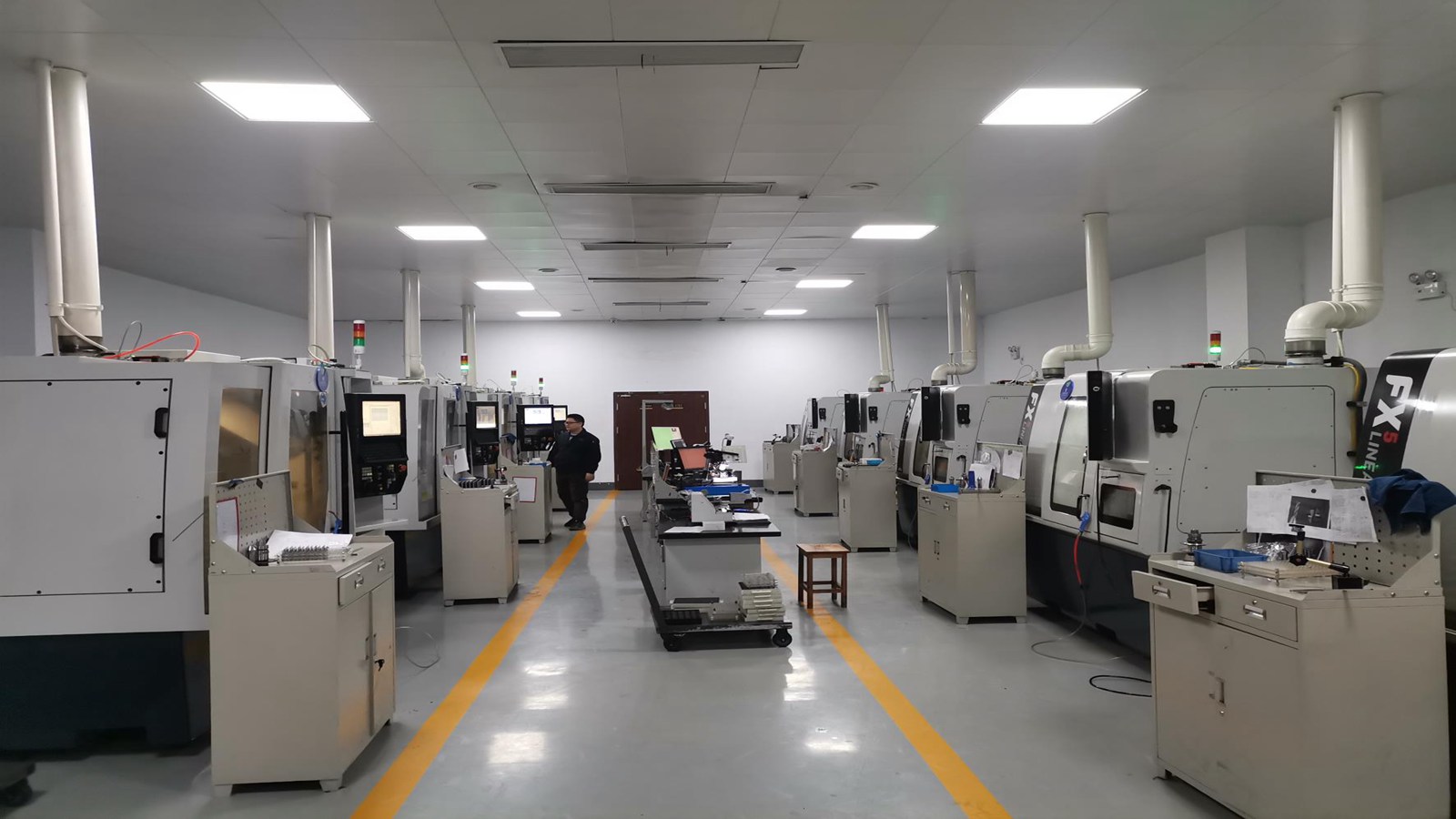
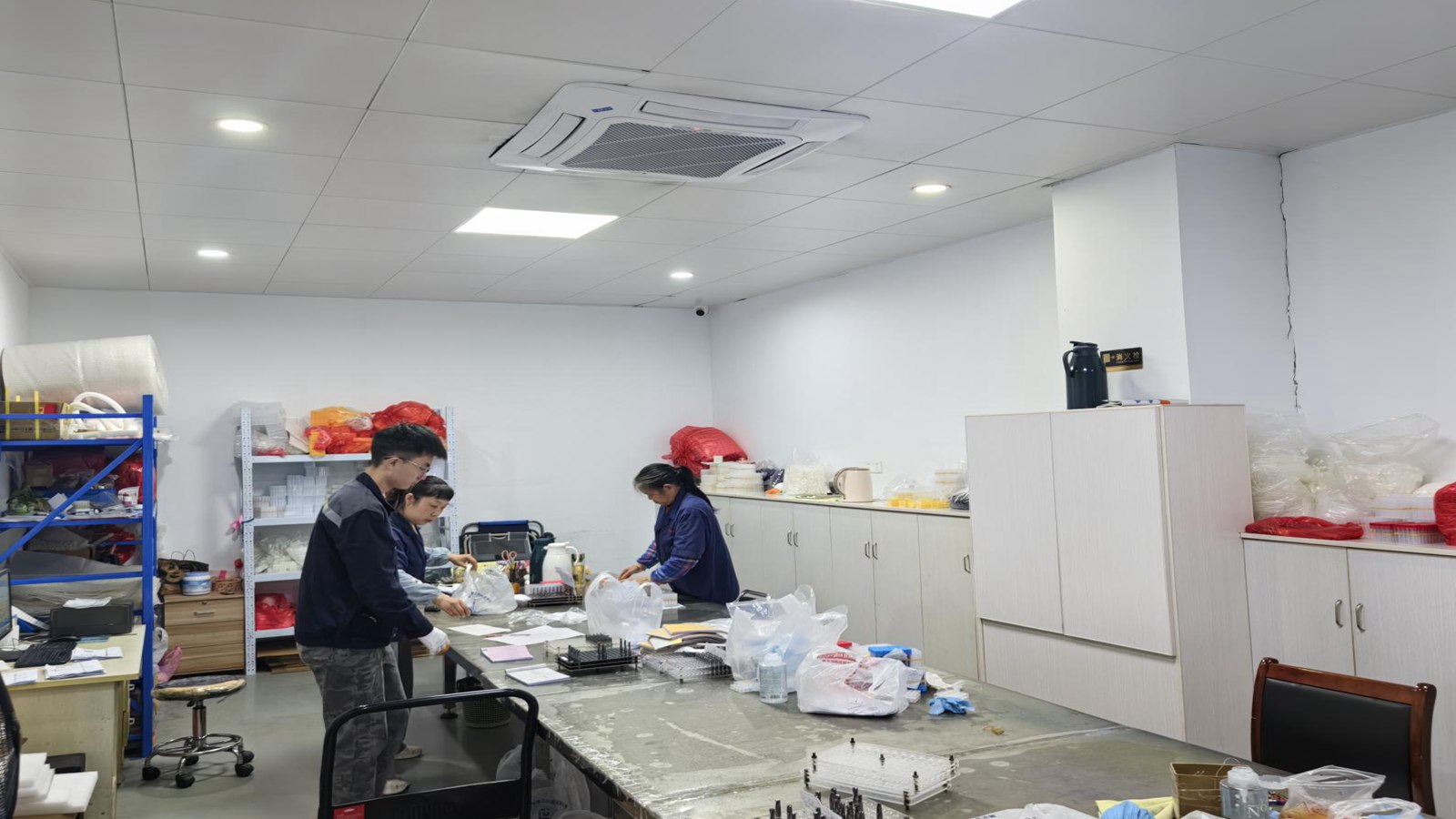
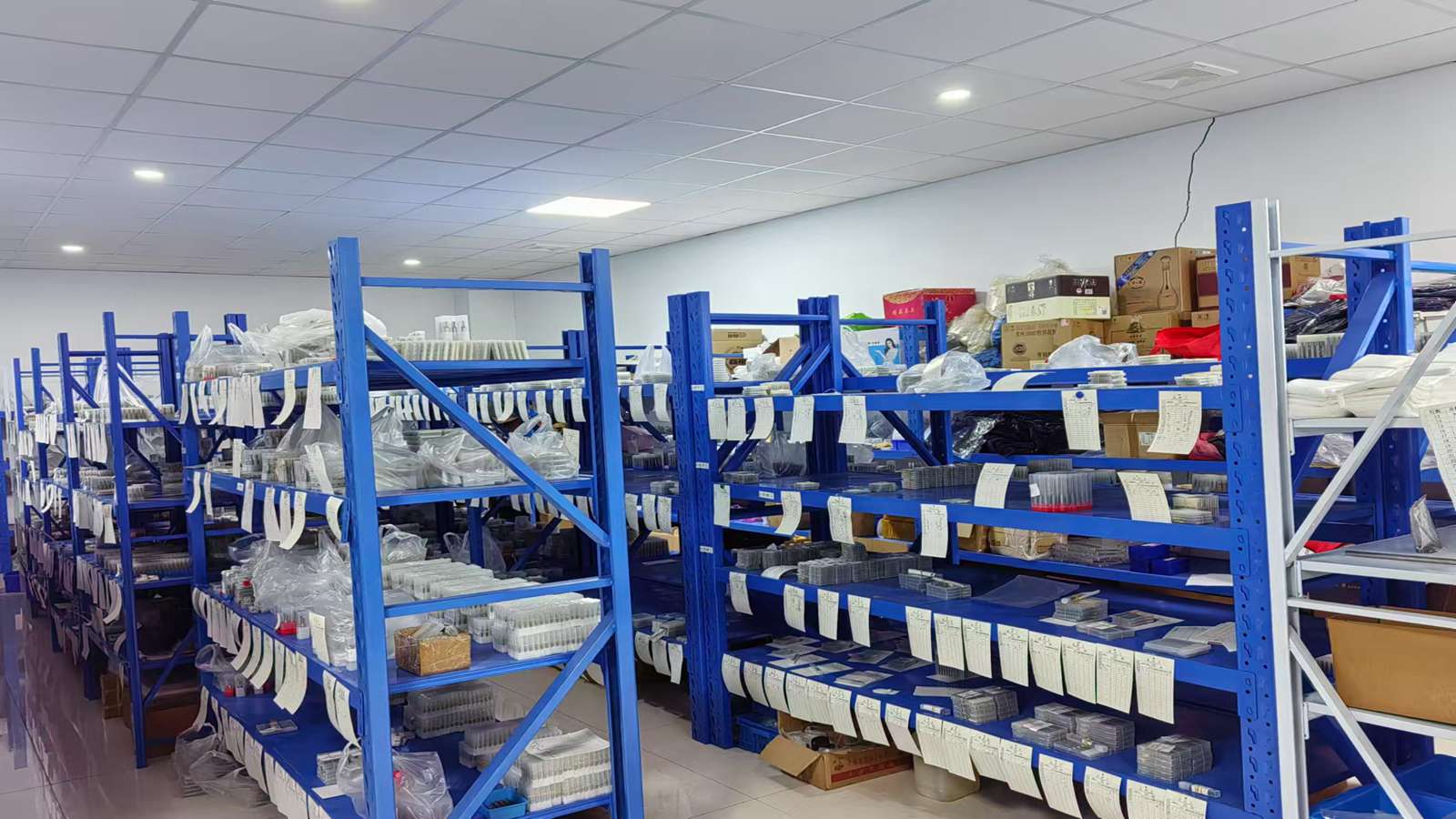
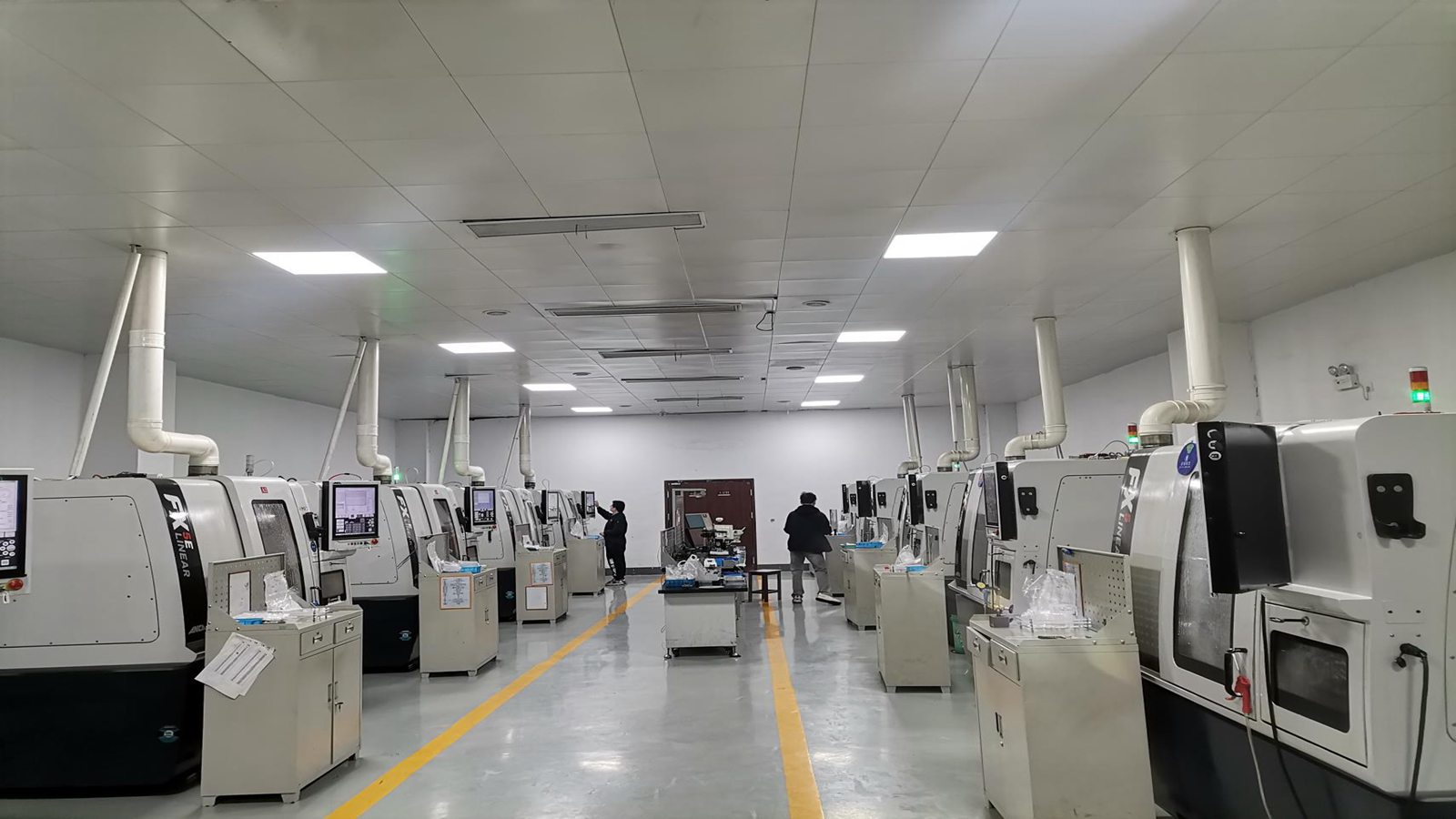
An inside look at our state-of-the-art manufacturing plant, testing labs, and high-precision CNC machinery.
Shandong Ricon Tools Co., Ltd. is a professional manufacturer specializing in the research, development, production, and sales of precision machine tool accessories. Since its establishment, Ricon Tools has been committed to providing high-quality tooling solutions for the global metalworking and woodworking industries.
Our product portfolio includes a wide range of precision machine tool accessories, such as 4-jaw woodworking chucks, American quick-change tool holders, VDI tool holders, boring heads, ER collet chucks, milling chucks, drill chucks, tool holders, CNC tooling accessories, and other precision machining components. Our products are widely used in CNC machining centers, lathes, milling machines, woodworking machinery, and various industrial manufacturing applications.
To ensure consistent product quality and manufacturing efficiency, Ricon Tools has invested in advanced CNC machining equipment, precision grinding machines, inspection instruments, and automated production facilities from both domestic and international suppliers. Supported by an experienced technical team and a strict quality management system, every product is manufactured with high precision, excellent durability, and reliable performance to meet the demanding requirements of customers around the world.
Adapting precision accessories and locking mechanisms to meet global regulations, ISO guidelines, and regional mechanical standards.
Different regions follow distinct standards for tooling connections, mounting dimensions, and thread specifications. While European manufacturing facilities rely heavily on metric DIN standards, VDI specifications, and ISO certifications, North American operations frequently utilize imperial dimensions and ANSI standards. Our engineering team ensures that VDI radial tool holders and independent lathe chucks are manufactured to meet these global requirements, allowing for drop-in integration without adaptation kits.
Additionally, compliance with the DIN 25201 standard for wedge locking washers is essential for setups exposed to severe dynamic loads. Ensuring these products are verified through rigorous Junker vibration testing provides our global partners with reliable clamping performance.
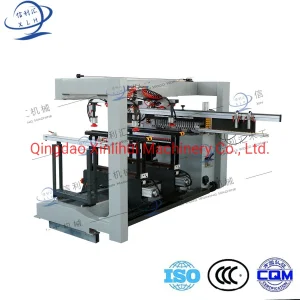
From the aerospace centers in North America to automotive hubs in Europe and wood processing facilities in Southeast Asia, our tooling designs are optimized for specific regional applications. Lightweight boring heads are engineered to minimize spindle load during high-RPM aerospace milling, while 3-row multi-head boring machines are built for the fast-paced, high-dust environments of commercial woodworking plants.
By providing regional technical support and maintaining stocked warehouses, Ricon Tools ensures minimal shipping times and rapid access to replacement tooling accessories, supporting manufacturing operations worldwide.
The transition toward sensor-integrated tool holders, lightweight materials, and high-speed precision manufacturing.
The manufacturing industry is moving toward greater automation and real-time monitoring. Future clamping systems and tool holders are expected to incorporate miniature embedded sensors. These smart sensors will measure clamping pressure, dynamic deflection, and temperature changes directly at the interface, transmitting data wirelessly to the CNC machine controller to optimize feed rates and prevent tool breakage.
Ricon Tools is actively researching sensor integration for next-generation micro-boring heads and chuck assemblies to support preventive maintenance and smart factory setups.
To reduce energy consumption and improve spindle response times, there is growing interest in lightweight hybrid tooling. Combining high-strength titanium or carbon-fiber composites with premium hardened steel contact pads yields tool bodies that are significantly lighter without sacrificing structural rigidity.
These lightweight materials help reduce spindle wear during high-speed machining, enabling faster acceleration and deceleration curves that optimize production output.
Technical guidance on selection, installation, and performance maintenance for industrial machining systems.