Ricon Tools Ricon Tools

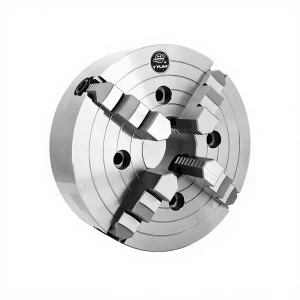
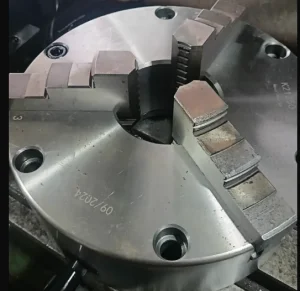
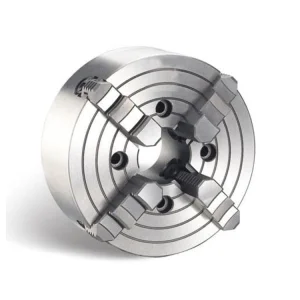
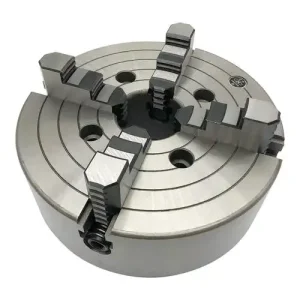
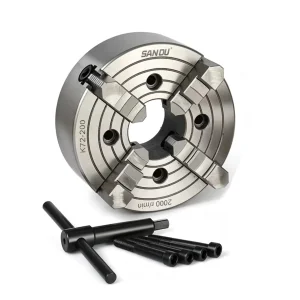
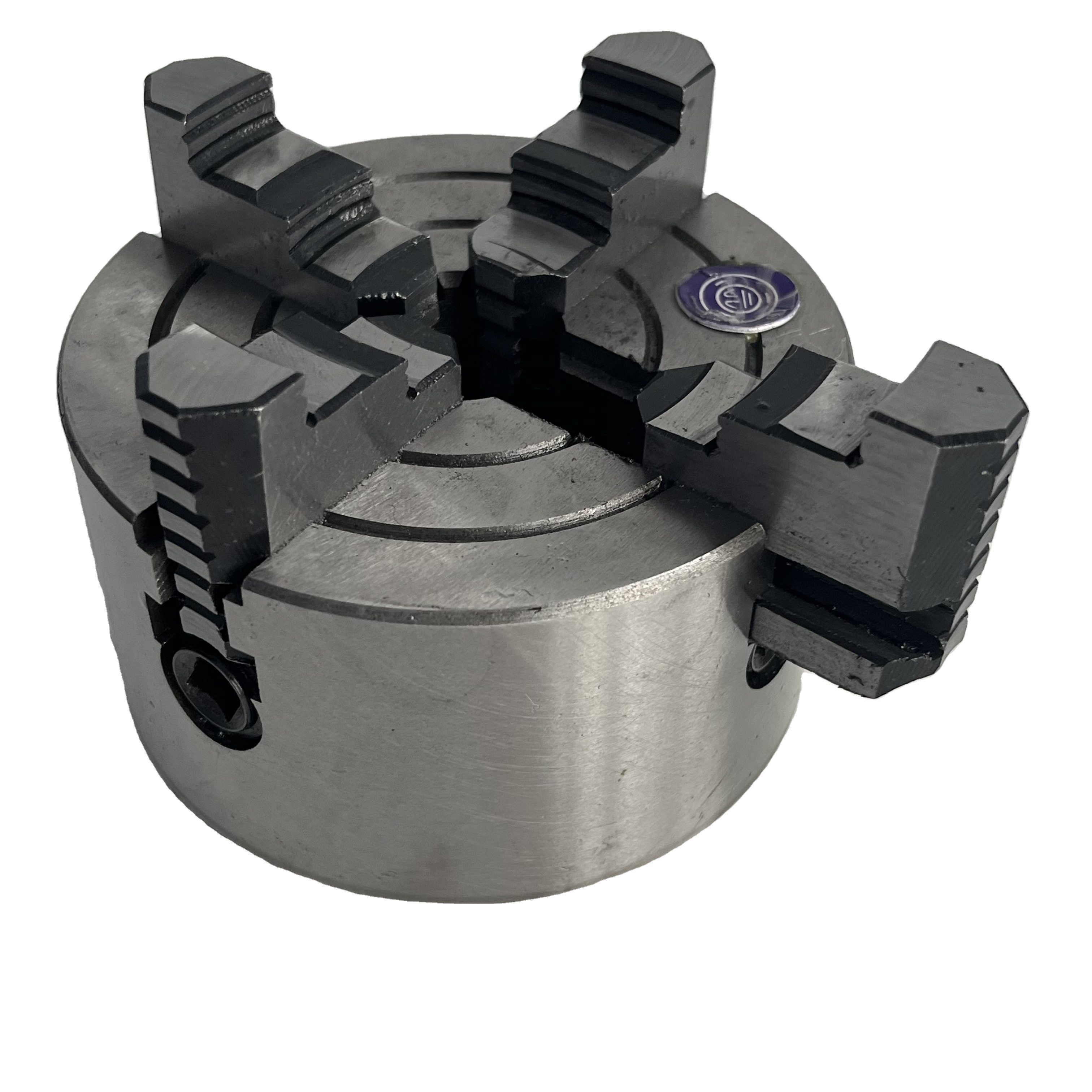
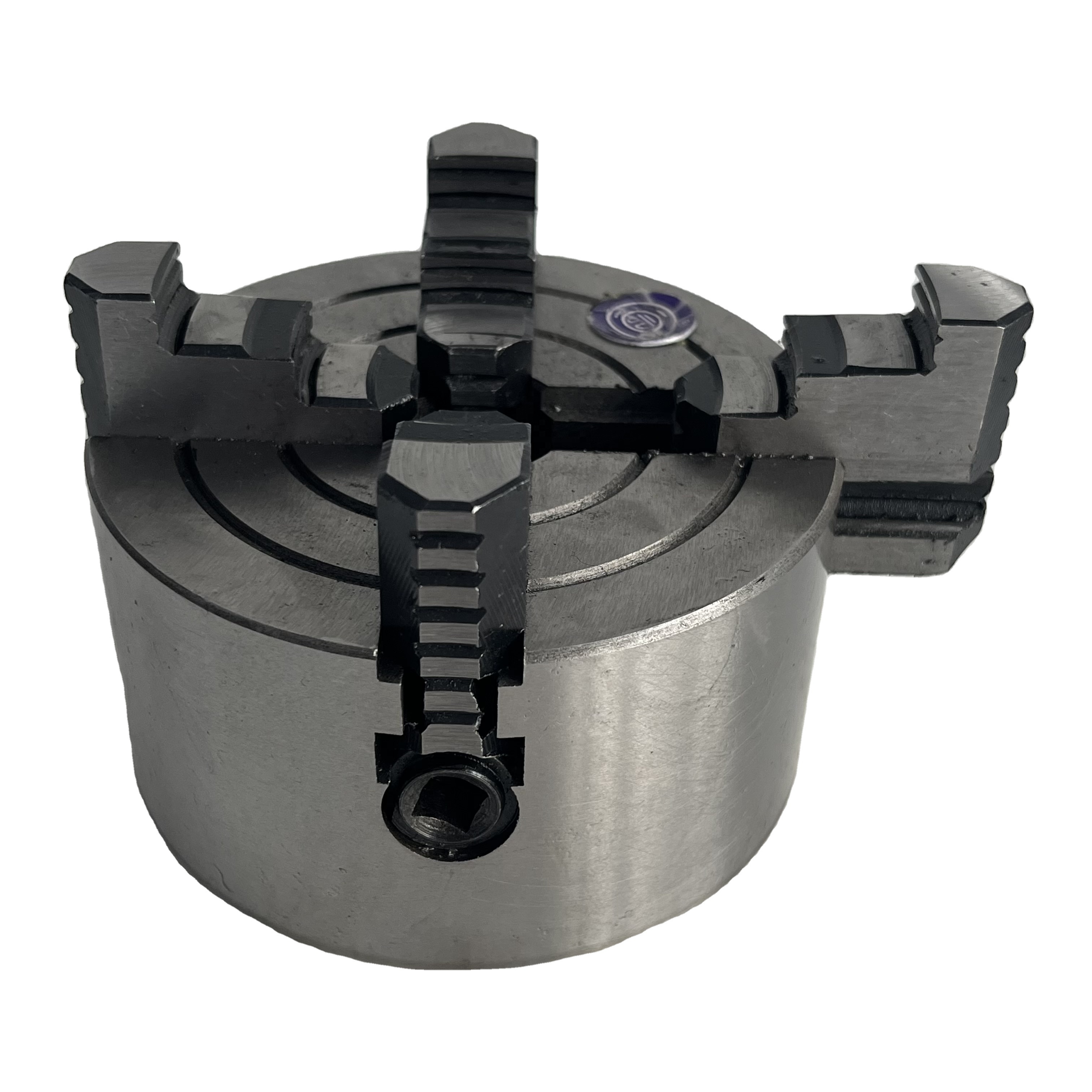
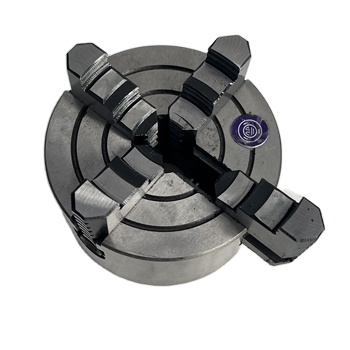
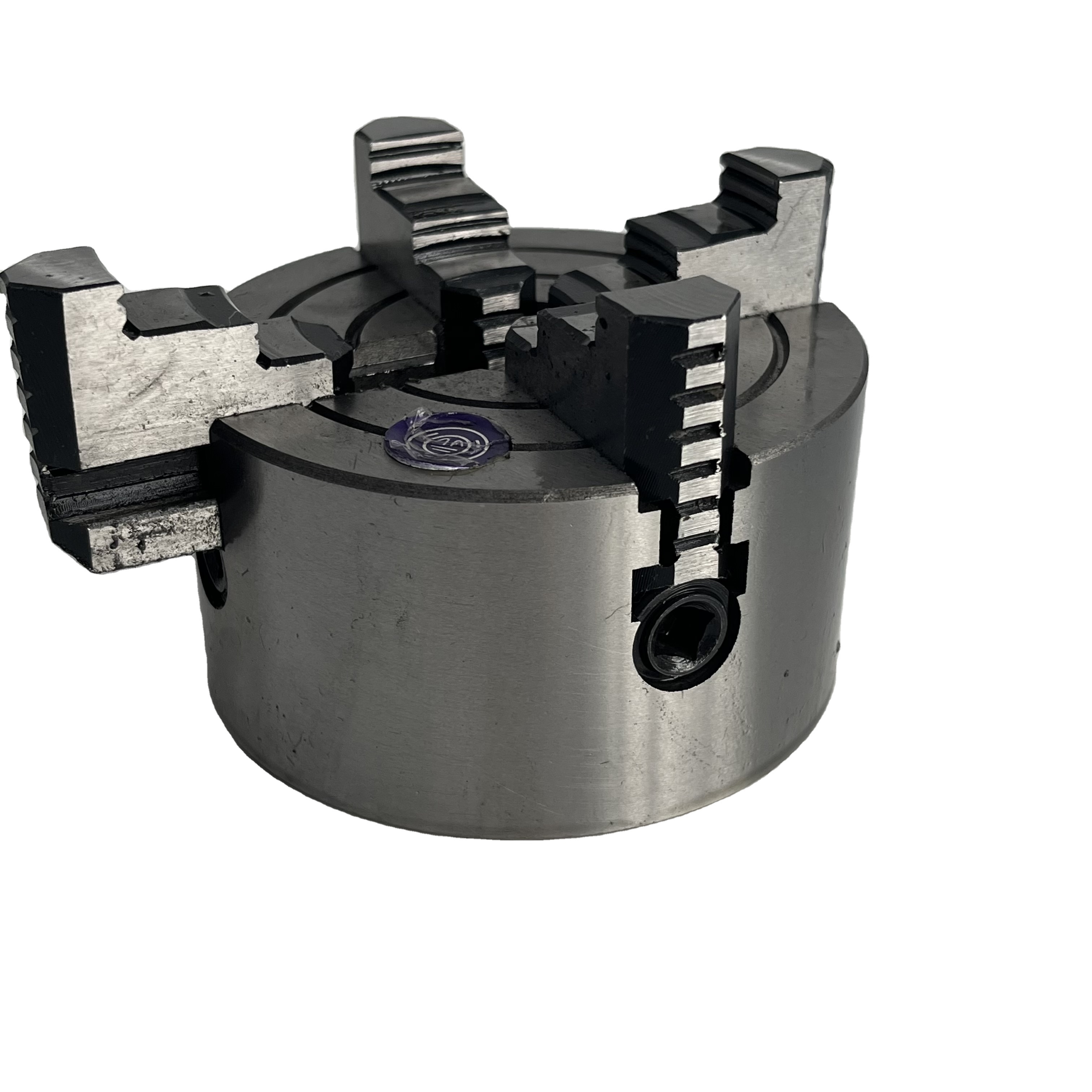
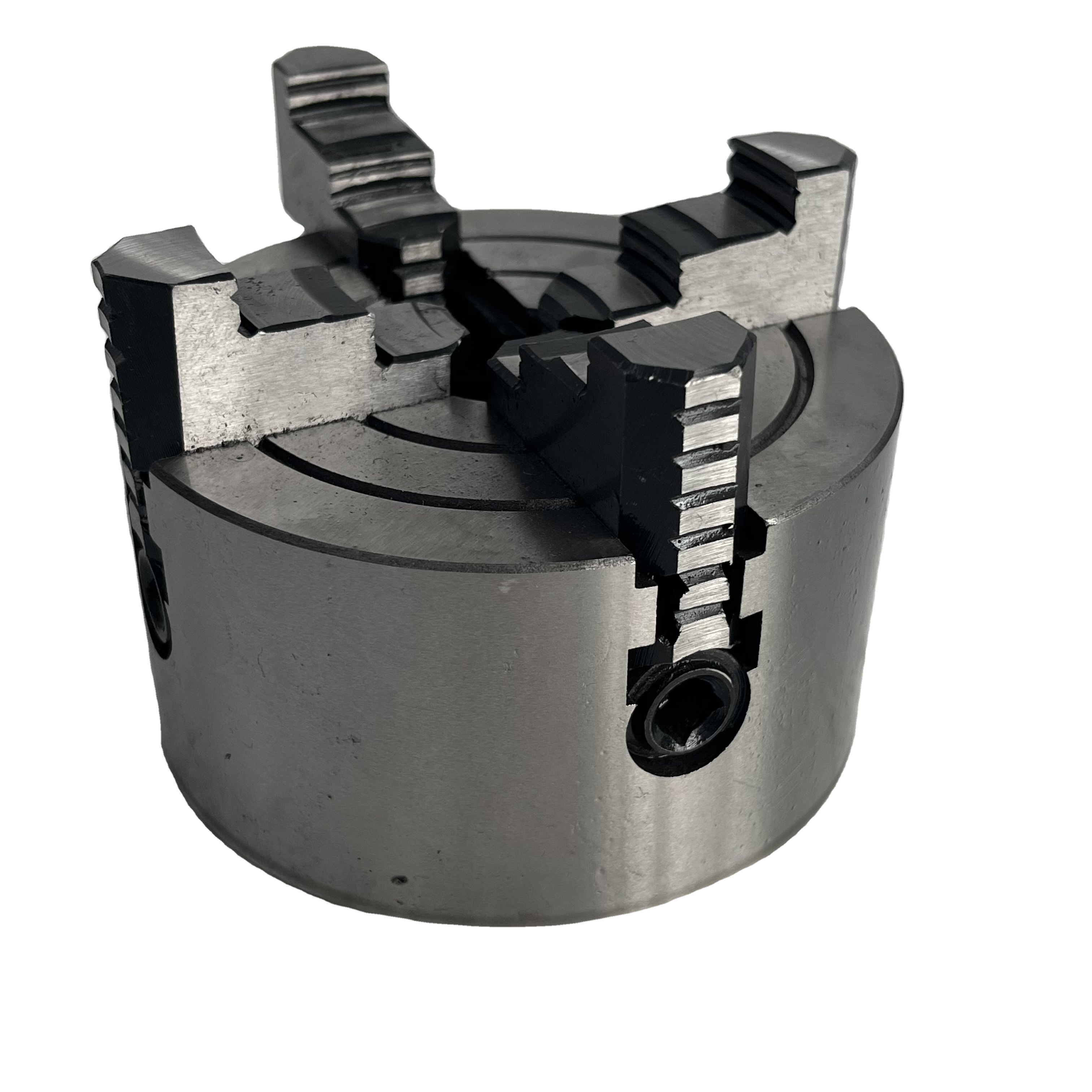
K72 Series 4 Jaw Independent Chuck with Size K72-80,K72-100,K72-125,K72-200 Etc

Product Description

K72 Series Four-Jaw Independent Chuck Sizes

The K72 series four independent chuck is available in a comprehensive range of specifications to suit diverse machining requirements, including sizes: K72-80, K72-100, K72-125, K72-130, and more.

Chuck Structural Types

The K72 series four-jaw independent chuck product line is classified into two primary designs:

  • Short cylinder type
  • Short circular cone type
Spindle Connection Types (Short Circular Cone)

Depending on the connection method with the machine tool spindle, the short circular cone design is divided into three configuration options:
  • Type A: Jointed with screw
  • Type C: Bolt locking joint
  • Type D: Pull rod and cam locking joint
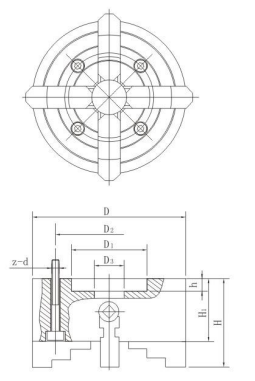
model no. D1 D2 D3 H H1 h z-d
K72-80 55 66 22 59 43 4 4-M6
K72-100 72 84 25 77 54 4 4-M8
K72-125 95 108 30 78 56 5 4-M8
K72-130 65 95 45 93 65 5 4-M10
K72-200 75 95 55 107 75 6 4-M10
K72-250 110 130 75 120 80 6 4-M12
K72-315/320 140 165 95 138 90 6 4-M16
K72-350 140 168 95 138 90 6 4-M16
K72-400 160 185 125 143 95 8 4-M16
K72-500 200 236 160 160 105 8 4-M20
K72-520 260 300 205 160 105 10 4-M16
K72-630 220 258 180 180 116 10 4-M20
K72-800 250 300 210 210 135 12 8-M20
K72-1000 320 370 260 241 150 15 8-M20
K72-1250 400 500 305 256 165 15 8-M20
Frequently Asked Questions (FAQ)
What are the available model sizes for the K72 series chuck?
The K72 series offers a wide scale of sizes ranging from smaller units like K72-80, K72-100, and K72-125, up to heavy-duty industrial sizes such as K72-800, K72-1000, and K72-1250.
What is the difference between short cylinder and short circular cone types?
These categories refer to the physical shape and the mounting surface configuration of the back of the chuck, ensuring compatibility with different spindle styles of lathe machines.
How are short circular cone type K72 chucks connected to the machine spindle?
They are classified into three types based on the connection interface: Type A (jointed with screws), Type C (bolt locking joint), and Type D (pull rod and cam locking joint).
Why should I choose a four-jaw independent chuck over a self-centering one?
Four-jaw independent chucks allow each jaw to be adjusted individually. This is critical for holding asymmetrical, rectangular, or irregular workpieces, and for achieving precise centering adjustments.
How do I read the dimensions in the specifications table?
The specifications guide represents key dimensions in millimeters: D1 is the centering diameter, D2 is the bolt circle diameter, D3 is the through-hole diameter, H is the overall height, H1 is the body height, h is the register depth, and z-d indicates the quantity and size of the mounting threads.

Related Products