Ricon Tools
Ricon Tools
Ricon Tools
Explore our core engineering catalog, designed to meet rigorous standards for surface finish, runout tolerance, and machine spindle durability.
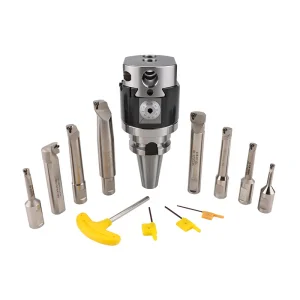
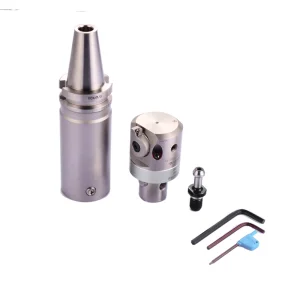
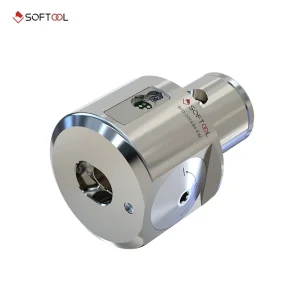
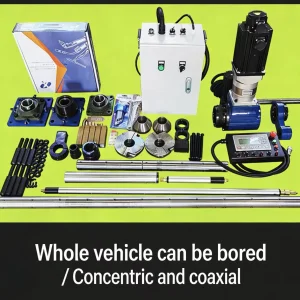
In modern high-speed CNC machining, the cutting tool holder acts as the critical bridge connecting the machine spindle and the cutting tool itself. As manufacturing sectors push the boundaries of high-speed machining (HSM), the demand for high-rigidity, low-runout tool holders has surged globally. Today's aerospace, automotive, die-mold, and medical equipment sectors require tolerances measured in micrometers. A minor deviation in tool runout significantly impacts cutting tool life, surface finish quality, and spindle bearing health.
Globally, the tool holder industry is transitioning towards smart tooling systems and highly balanced architectures. Modern configurations such as BT, HSK, CAT, and SK tapers must achieve dynamic balancing standards up to G2.5 at 25,000 RPM. As high-speed milling and precision micro-boring become standard, tooling manufacturers are forced to adopt advanced metallurgy and sub-micron grinding techniques to ensure operational stability under heavy cutting forces.
To support next-generation CNC operations, tool holders must satisfy three core parameters:
How advanced infrastructure, raw material availability, and automated clusters yield superior cost-to-performance ratios for global procurement.
By leveraging premium Chinese alloy steels (such as 20CrMnTi and 40Cr), manufacturers apply professional carbonitriding heat treatments to achieve surface hardness levels of 58-62 HRC, ensuring a tough core and durable exterior wear resistance.
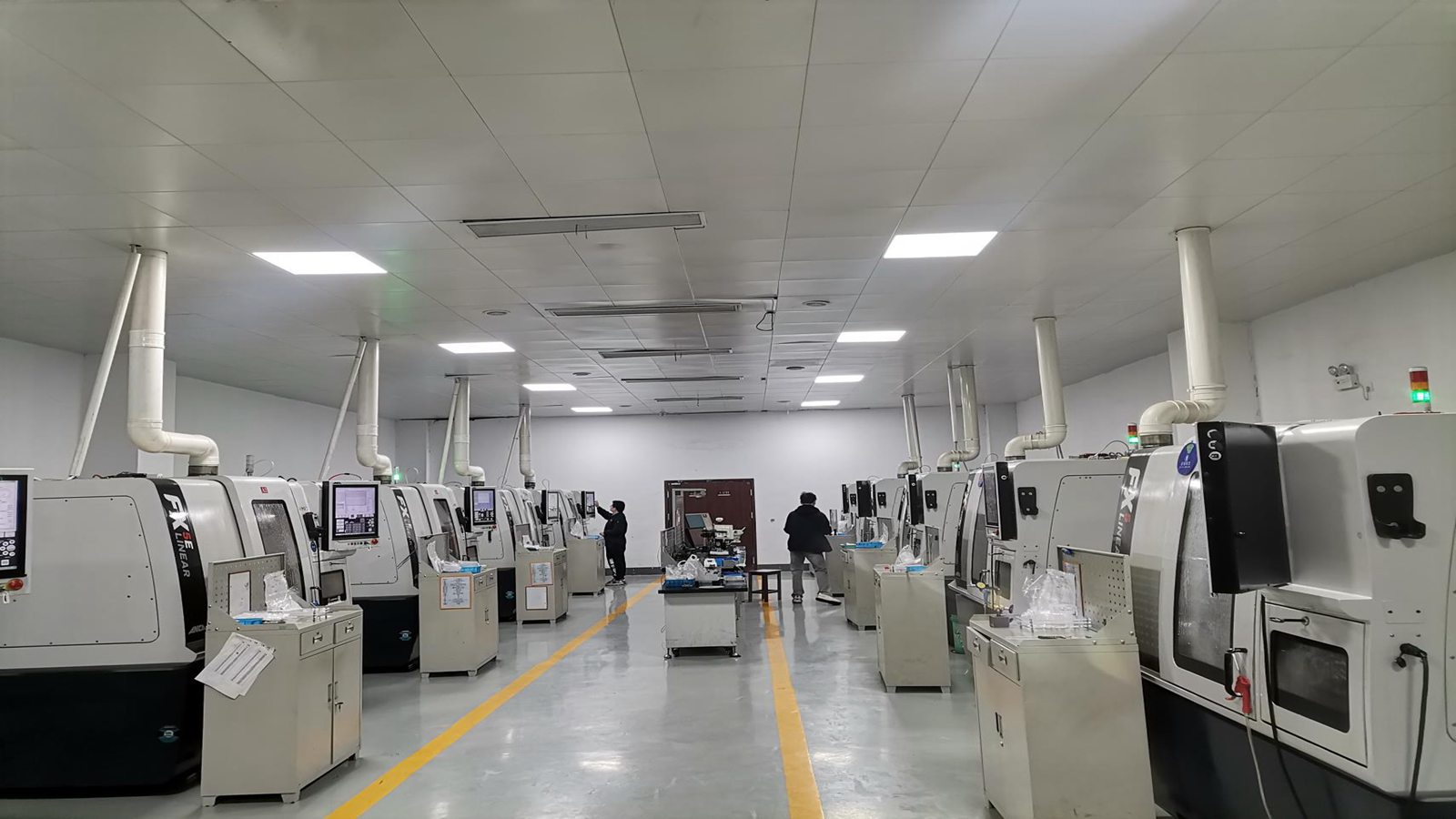
State-of-the-art cylindrical grinders, vertical machining centers, and automated sub-micron inspection facilities allow Chinese factories to produce tooling components with repeatable, low runout deviations across large production runs.
From primary steel sourcing to final high-speed dynamic balancing, industrial manufacturing clusters in provinces like Shandong integrate every step of production. This structural synergy reduces overhead costs and shortens lead times.
Different industrial processes impose unique loads and vibration profiles on machine tool setups. A high-performance CNC tool holder must be matched to the exact stresses of each specific operation:
| Application Scenario | Typical Mechanical Load | Recommended Tool Holder Configuration | Key Performance Metrics |
|---|---|---|---|
| Aerospace Aluminum Milling | High speeds (up to 30,000 RPM), low radial forces, extreme vibration risks. | Balanced ER Collet Chucks, Hydraulic or Shrink-Fit Holders. | Dynamic balance G2.5, runout < 0.003 mm, high clamping torque. |
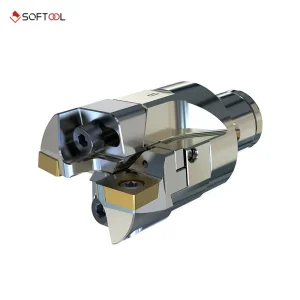
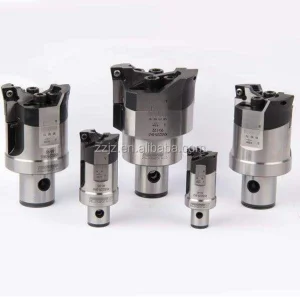
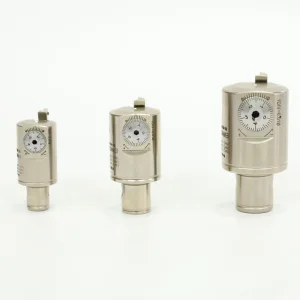
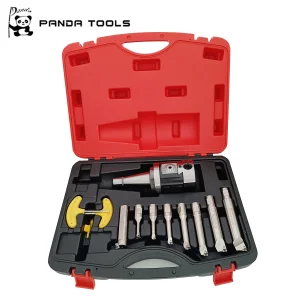
| Automotive Cast Iron Boring | Heavy intermittent radial forces, high structural rigidity requirements. | BT50 or CAT50 Rough/Fine Boring Heads with adjustable bars. | Micro-adjustable accuracy (0.002 mm increments), high dampening. |
| Die and Mold Cavity Finishing | Extended reach setups, high speeds, variable pocket depths. | Slim-line VDI/ER Tool Holders, Modular Extension Adaptors. | Taper-to-bore coaxiality, thermal expansion resistance. |
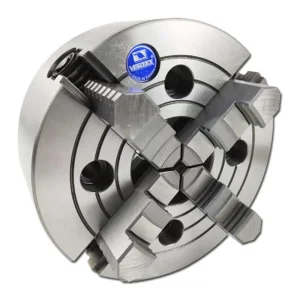
| Heavy Woodworking Turnery | High chip volume, dust exposure, varying wood grain density. | 4-Jaw Woodworking Chucks, American Quick-change Holders. | Robust self-centering mechanism, debris protection. |
Shandong Ricon Tools Co., Ltd. is a professional manufacturer specializing in the research, development, production, and sales of precision machine tool accessories.
Since its establishment, Ricon Tools has been committed to providing high-quality tooling solutions for the global metalworking and woodworking industries. Our product portfolio includes a wide range of precision machine tool accessories, such as 4-jaw woodworking chucks, American quick-change tool holders, VDI tool holders, boring heads, ER collet chucks, milling chucks, drill chucks, tool holders, CNC tooling accessories, and other precision machining components. Our products are widely used in CNC machining centers, lathes, milling machines, woodworking machinery, and various industrial manufacturing applications.
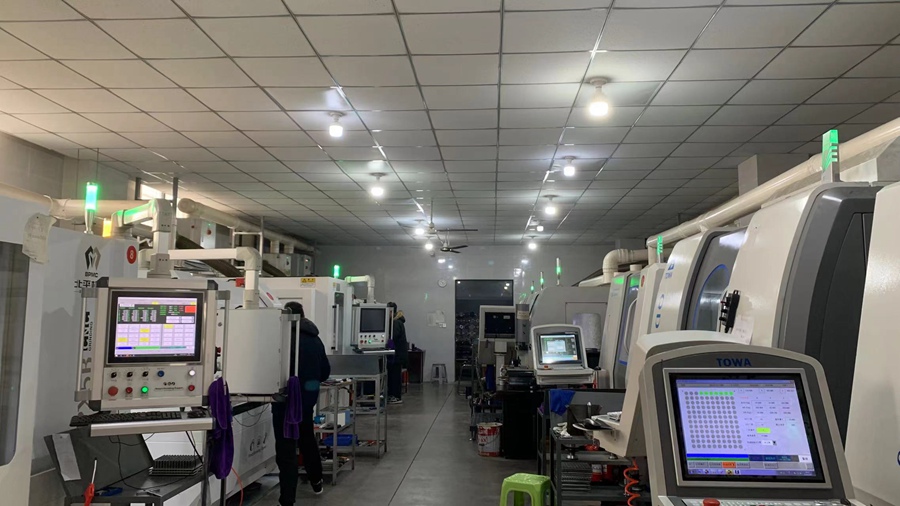
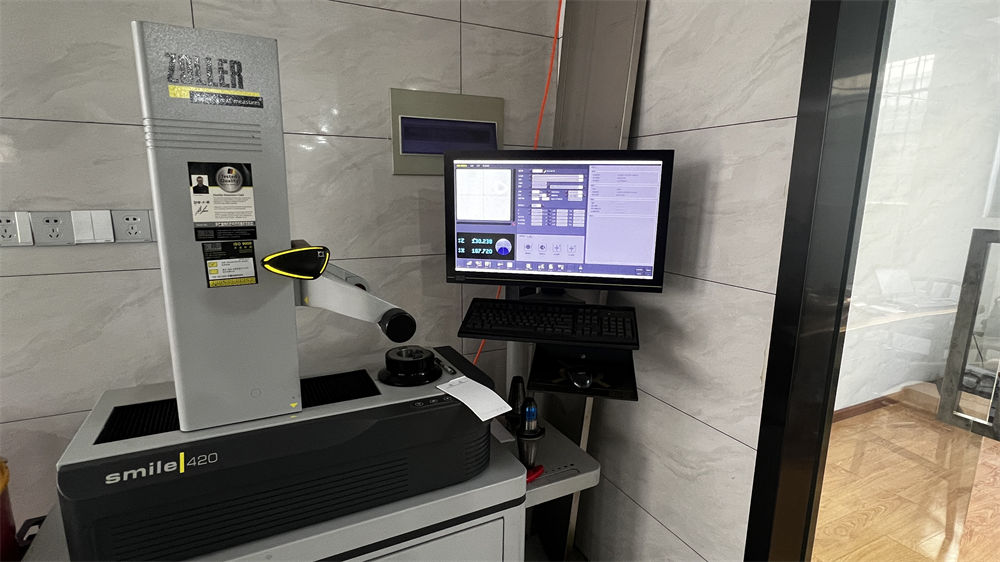
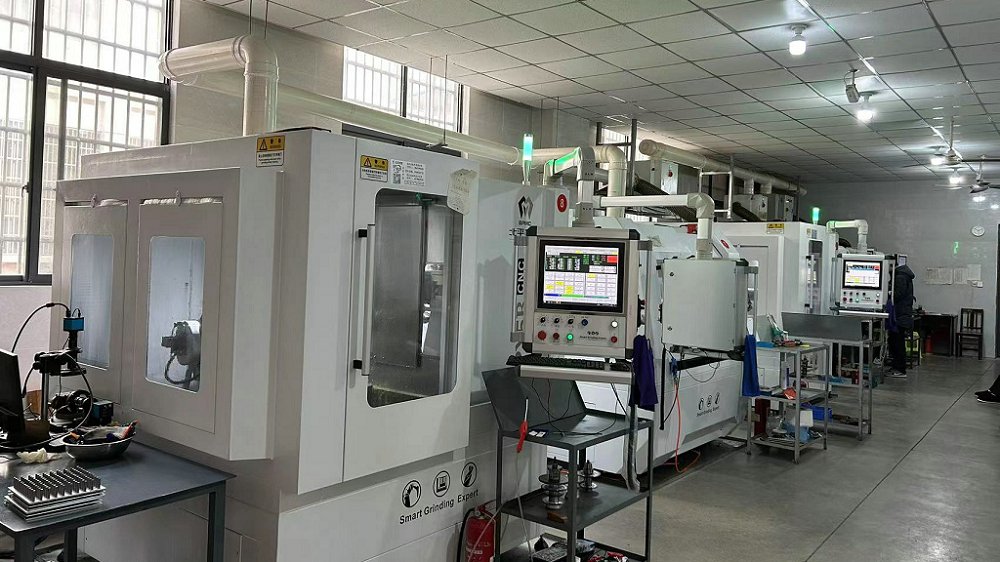
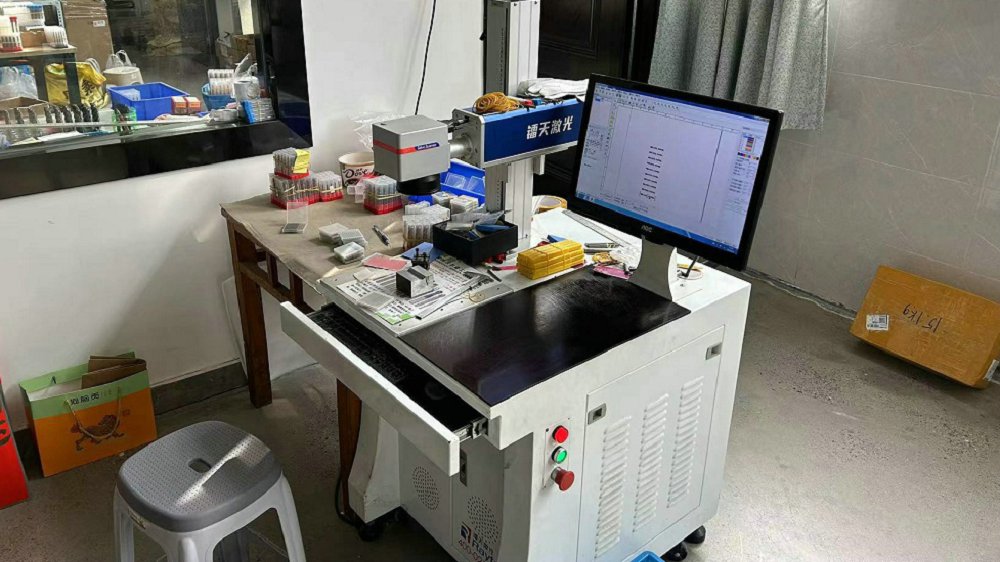
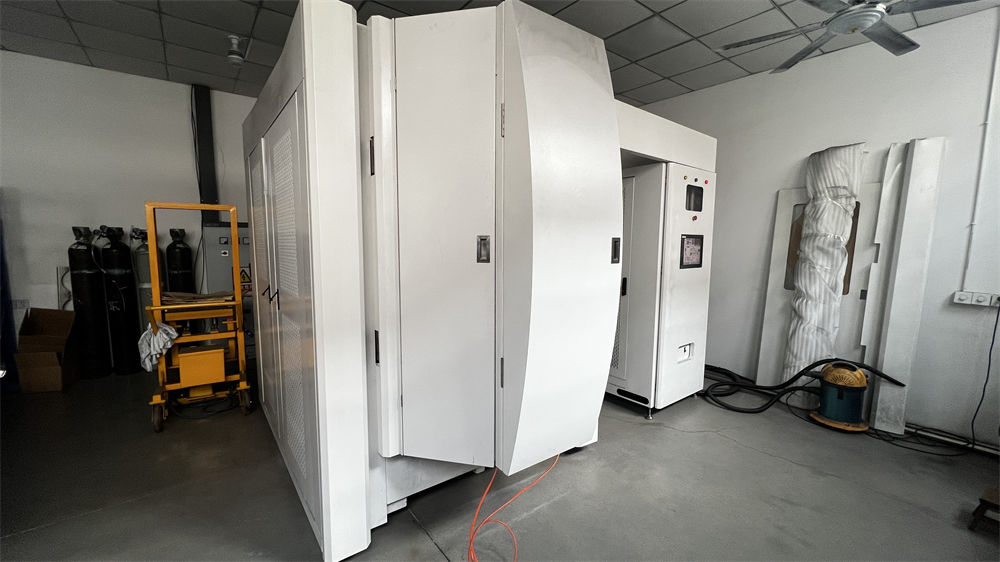
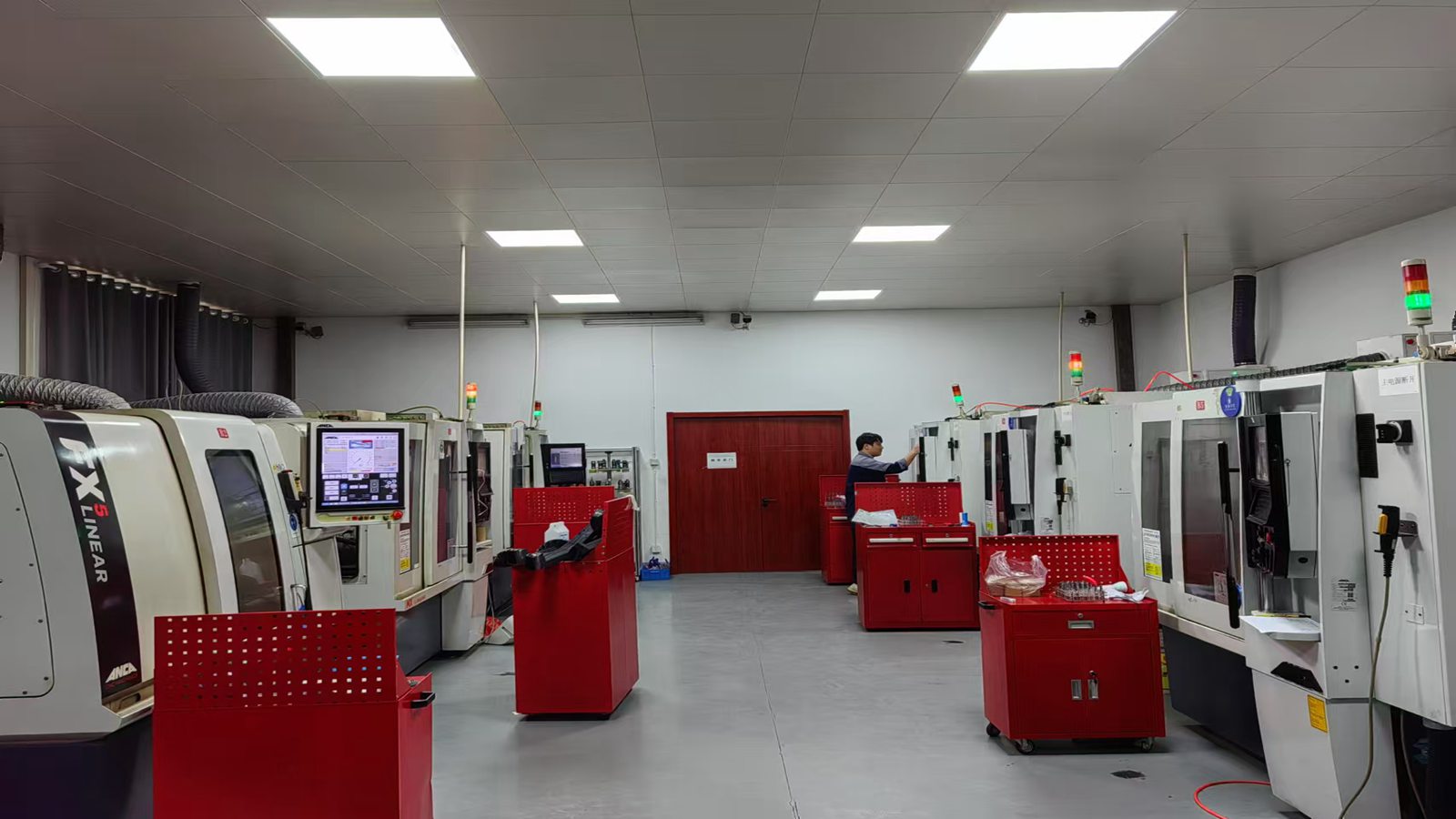
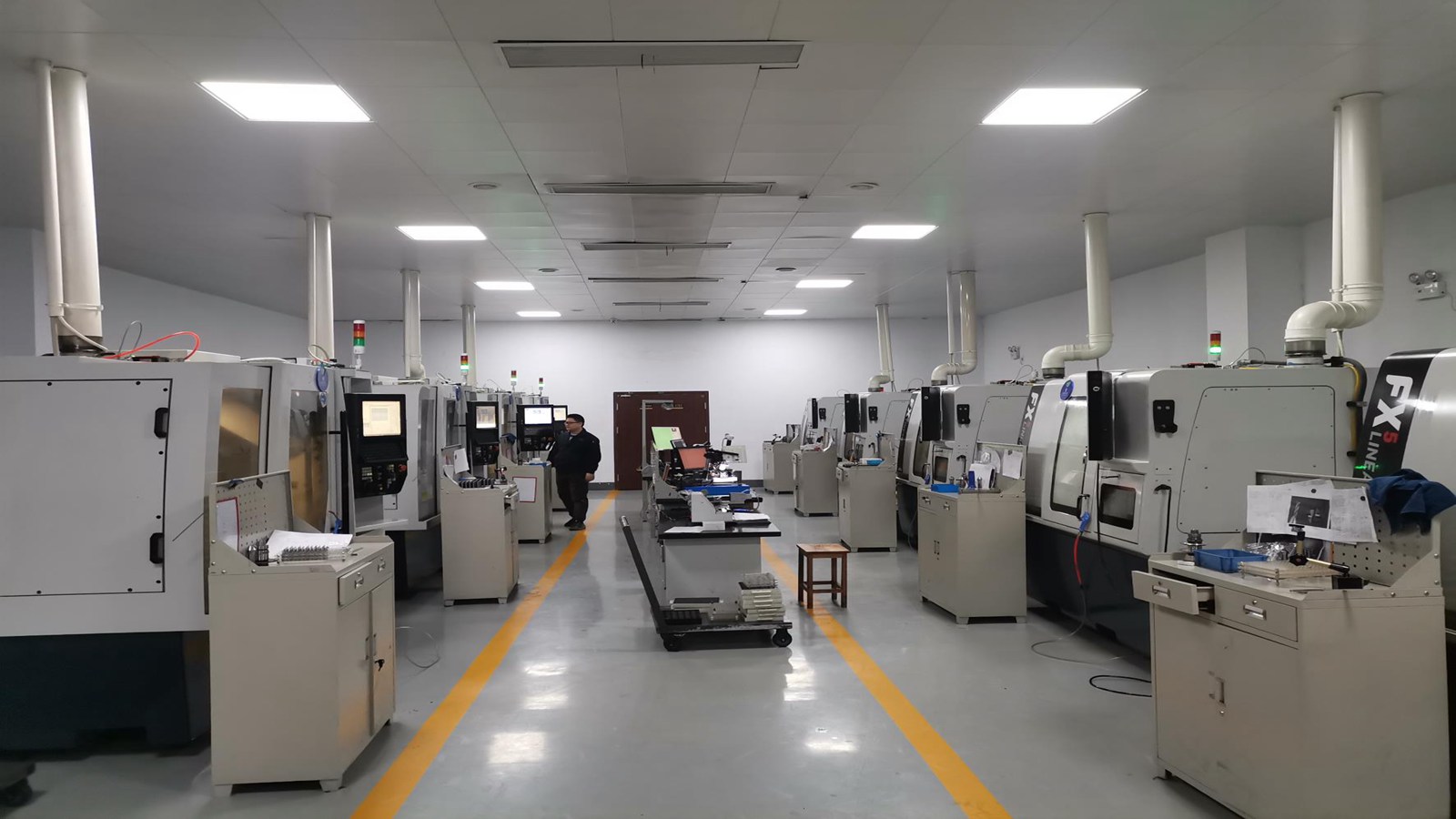
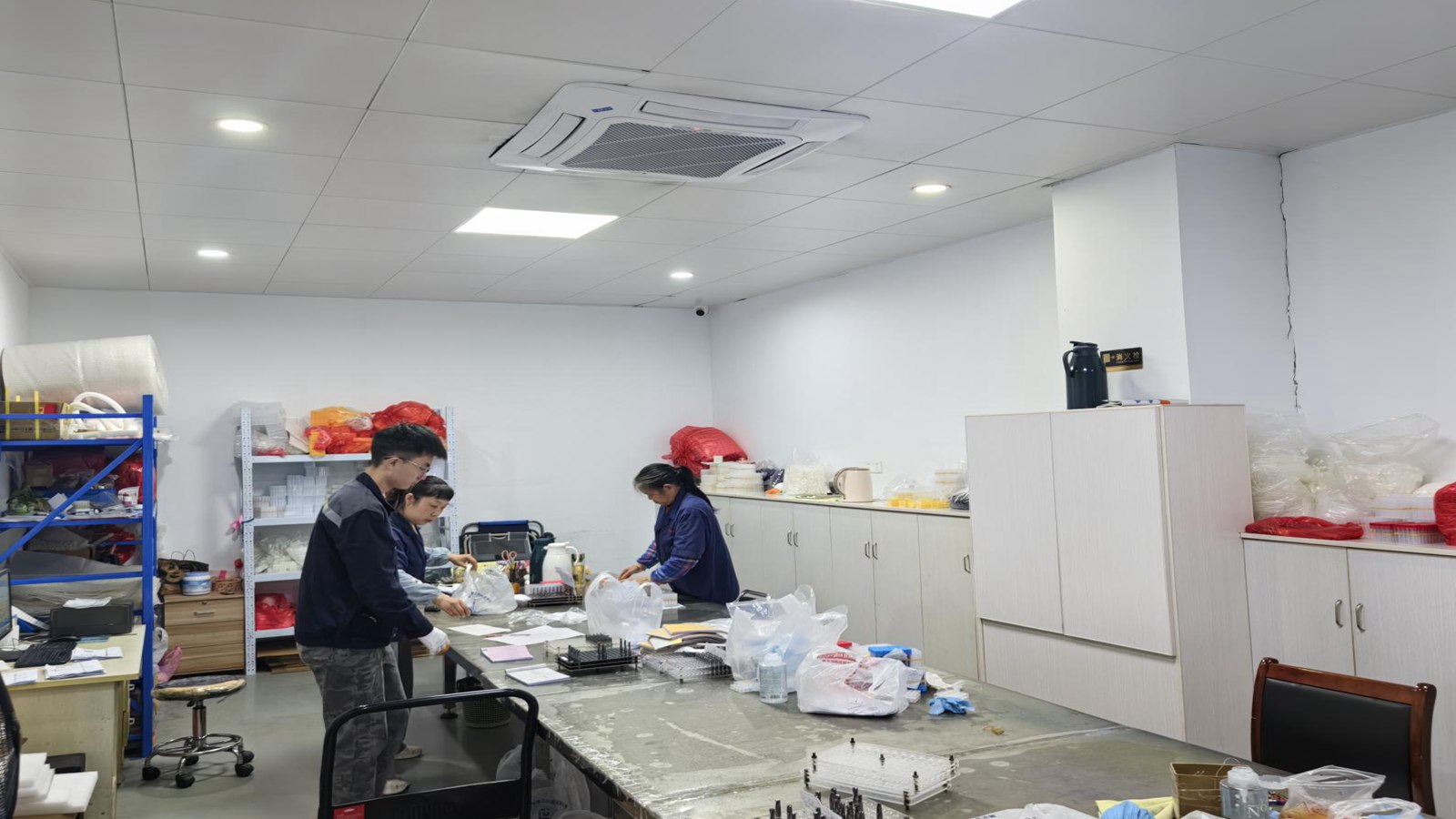
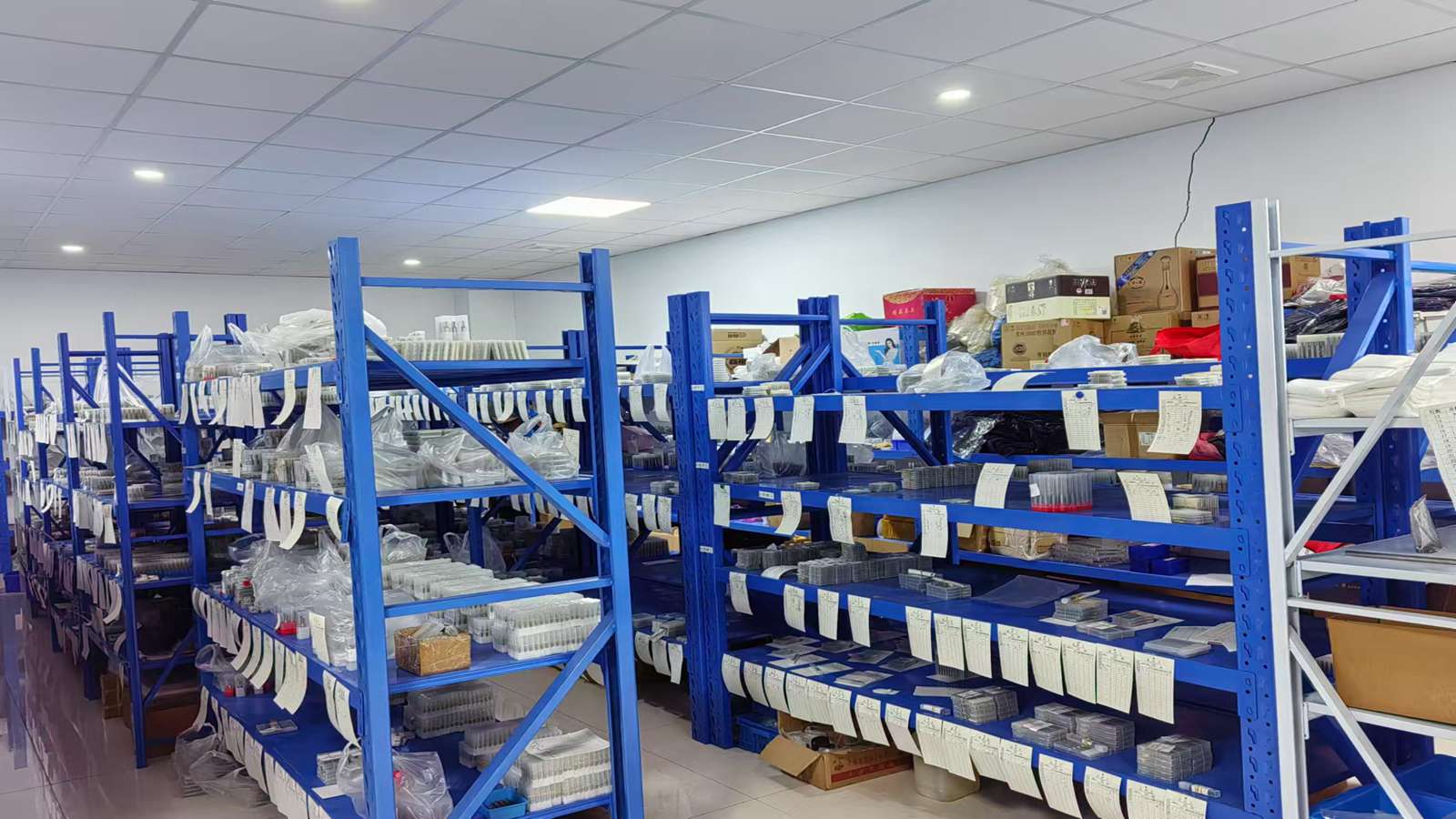
To ensure consistent product quality and manufacturing efficiency, Ricon Tools has invested in advanced CNC machining equipment, precision grinding machines, inspection instruments, and automated production facilities from both domestic and international suppliers. Supported by an experienced technical team and a strict quality management system, every product is manufactured with high precision, excellent durability, and reliable performance to meet the demanding requirements of customers around the world.
With years of experience in the machine tool accessories industry, Ricon Tools has established long-term partnerships with customers across numerous industries. Our products are well recognized in the domestic market and are exported to more than 30 countries and regions, including the United States, Canada, Germany, Italy, Russia, Australia, Southeast Asia, the Middle East, and South America. We have earned an excellent reputation for superior quality, competitive pricing, on-time delivery, and professional customer service.
Driven by the philosophy of "Quality First, Innovation Driven, Customer Focused," Shandong Ricon Tools Co., Ltd. continuously invests in technological innovation, product development, and manufacturing excellence. We are dedicated to providing customers with reliable products, customized solutions, and comprehensive technical support.
Procurement departments sourcing precision tooling accessories from China should evaluate the following parameters to ensure performance alignment with high-speed CNC milling systems:
Always specify the core steel grade. Premium holders must use alloys such as 20CrMnTi or H13 hot-work tool steel. Sub-standard carbon steels will warp under heat and lack fatigue resistance.
For operations exceeding 12,000 RPM, mandate a balancing grade of G2.5 at 20,000 or 25,000 RPM. Unbalanced assemblies generate micro-vibrations, leading to tool chipping and spindle wear.
Verify that taper interfaces meet international tolerances (e.g., DIN 69871, MAS 403 BT, ASME B5.50 CAT). Taper contact ratios must be verified by air gauges to be at least 85%.
The manufacturing sector is evolving rapidly, driven by the need for automation, remote sensing, and additive tool construction. Modern machine tool setups are adapting to these technological shifts:
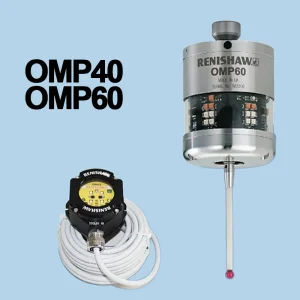
Integrating wireless optical or infrared probes (such as the Renishaw OMP40/OMP60 series) directly into the machining cycle allows for automated coordinate settings and real-time dimension monitoring. This process minimizes manual setup errors, reduces scrap rates, and ensures continuous spindle utilization.
As micro-machining and high-speed finishing expand, shrink-fit systems are increasingly replacing traditional collet chucks. By using induction heating to expand the tool holder bore, shrink-fitting provides symmetrical clamping, exceptional torque transfer, and runout accuracy <0.003 mm.
In-depth answers to common engineering and sourcing questions regarding CNC tooling interfaces.
At high spindle speeds (above 10,000 RPM), any mass eccentricity in the tool holder creates centrifugal forces that scale quadratically with the RPM. This imbalance causes spindle vibration, degrades surface finish, accelerates tool wear, and damages spindle bearings. Setting the balance grade to G2.5 at 25,000 RPM minimizes these forces, ensuring stable and reliable machining.
BT (Japanese standard MAS 403) and CAT (American standard ANSI B5.50) are steep taper designs (7:24 ratio) with pull studs. They rely purely on taper surface contact. HSK (German standard DIN 69893) is a hollow taper (1:10 ratio) designed for high-speed applications. Under rotation, HSK's segments expand to provide simultaneous taper and face contact, ensuring high radial and axial rigidity.
Premium manufacturers apply chemical coatings, black oxide finishes, or anti-corrosive treatments to tool holder bodies. This protects tool steel from harsh cutting fluids, prevents rust during storage, and maintains precise contact tolerances on the taper interface.
Runout measures the deviation of the tool tip from the spindle centerline. A runout of just 0.01 mm can reduce cutting tool life by up to 50% because the load becomes unevenly distributed across the cutting flutes. Keeping runout below 0.003 mm ensures balanced chip loads, smooth cutting, and longer tool service life.
High-wear resistance boring heads, adjustable machine tools, live tooling systems, and replacement clamping components.